

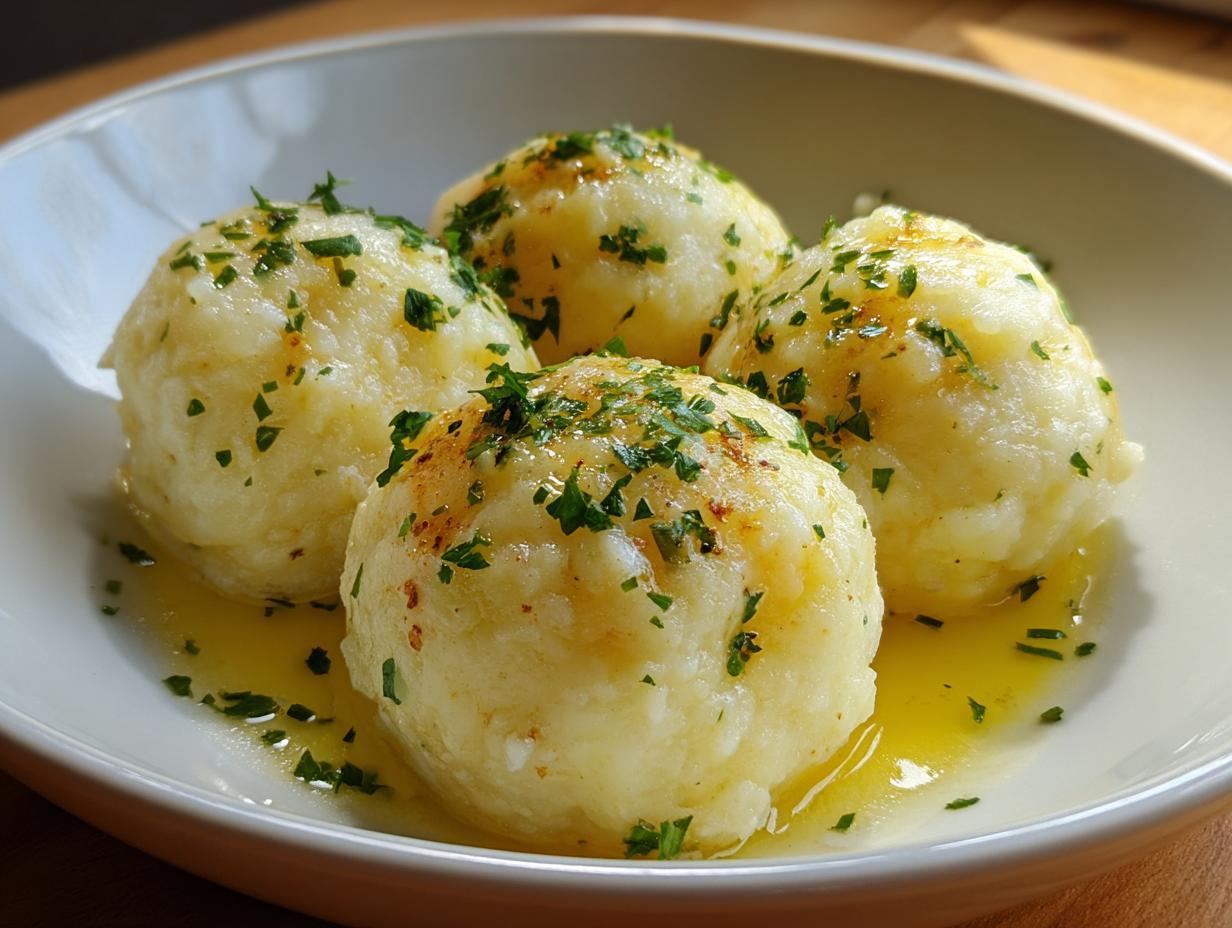
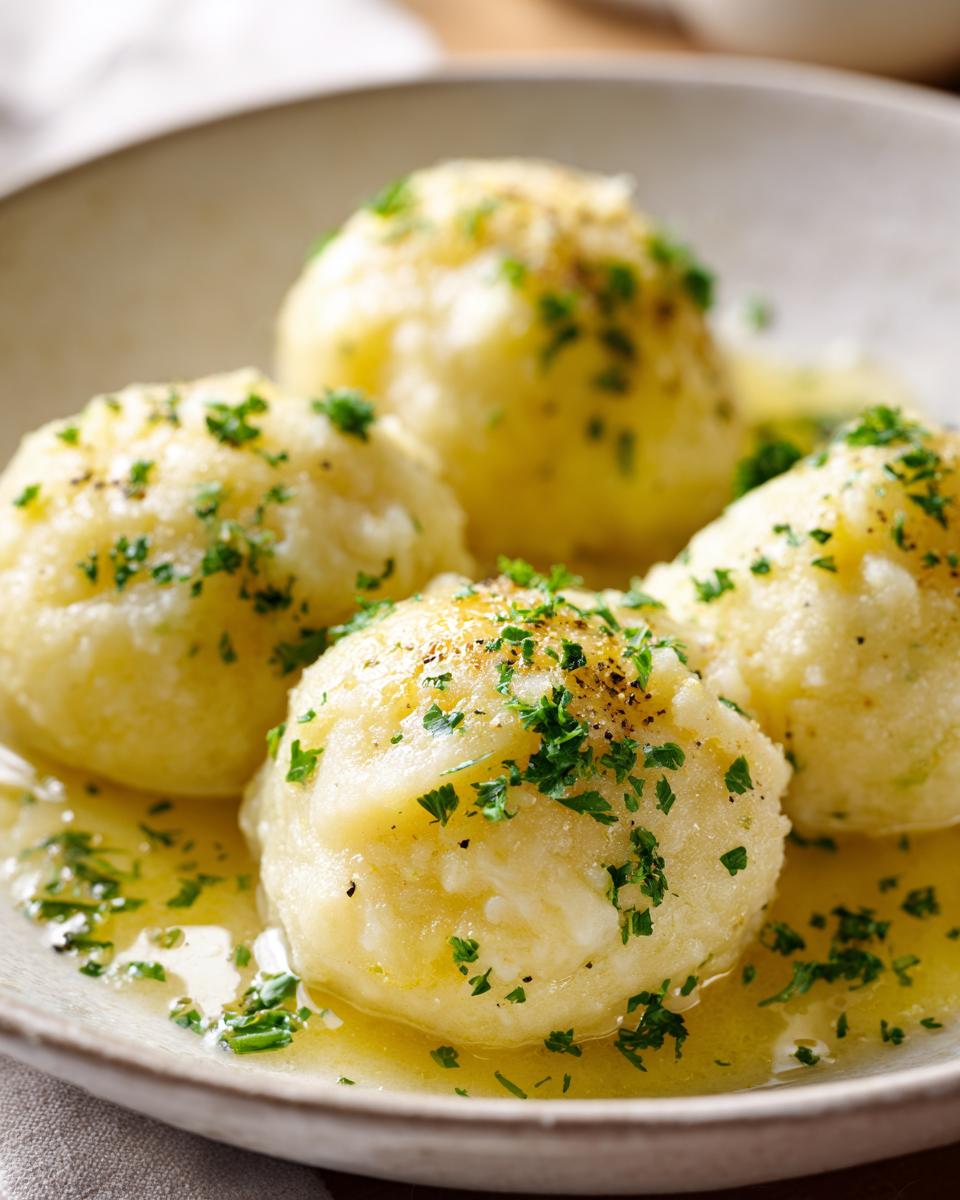
When the weather turns chilly, or honestly, any time I’m craving something truly grounding, nothing hits the spot quite like comfort food dumplings. Forget those dense, gummy things you sometimes get out of a can—I’m talking about soft, pillowy clouds that practically melt when they hit your tongue. That’s why I want to share my absolute favorite potato dumplings recipe today. We’re going straight to the source with German Kartoffelkloesse. Don’t let the fancy name scare you; this is truly one of the simplest, most satisfying homemade dumplings you’ll ever make. They are the perfect hearty side dish. When you start cooking with that simple harmony of potatoes, flour, and egg, you realize great flavor doesn’t require complicated choreography. Trust me, mastering these will instantly elevate your weeknight dinner recipes!
- Why This Classic German Potato Dumplings Recipe Works (Easy Dumpling Recipe)
- Gathering Ingredients for Perfect Potato Dumplings
- Step-by-Step Instructions for Kartoffelkloesse Recipe
- Tips for Success Making Potato Dumplings from Scratch
- Serving Suggestions: Pairing Potato Dumplings with Gravy
- Exploring International Variations of Potato Dumplings
- Storage and Reheating Potato Dumplings
- Frequently Asked Questions About Potato Dumplings
- Nutritional Estimates for This Comfort Food Dumplings Recipe
- Nutritional Estimates for This Comfort Food Dumplings Recipe
Why This Classic German Potato Dumplings Recipe Works (Easy Dumpling Recipe)
I know what you’re thinking: Homemade dumplings sound like a lot of work. But this Kartoffelkloesse recipe is different. It’s built on simplicity and a couple of key techniques that ensure you get that ideal, soft, and fluffy potato side dish texture every single time. I’ve stripped away all the fussy extras so you’re only dealing with pantry staples.
Here’s why this recipe sings:
- Incredibly Soft Texture: The ratio of potato to flour is balanced to keep them light, not heavy.
- Pantry Staples Only: You probably have everything you need right now. No specialty trips required!
- Gravy’s Best Friend: They are specifically designed to soak up rich brown gravy or pan drippings.
My number one secret to preventing dense dumplings? You absolutely must let those mashed potatoes cool down completely. I usually boil them the day before! If you try mixing the flour and egg into hot potatoes, you end up with sticky glue instead of dough. Patience here pays off huge.
Gathering Ingredients for Perfect Potato Dumplings
This recipe proves that fantastic **potato dumplings** aren’t about hoarding exotic ingredients; they’re about using the right basics correctly. We need starchy potatoes to give us that fluffy interior we’re aiming for. You’ll notice the recipe calls for two pounds of them, peeled, because we want zero skin messing up our smooth dough.
The binder is simple: all-purpose flour, just one cup, and one large egg. We add a little salt for flavor, and I like a tiny pinch of nutmeg—it really wakes up the potato flavor, but honestly, leave it out if you aren’t a fan. If you’ve ever made my creamy mashed potatoes, you know how important the base is! Remember, water is just for boiling them until they surrender.
Ingredient Notes and Substitutions for Your Potato Dumplings
The potato choice is seriously non-negotiable if you want that authentic, light texture. I always reach for Russets, which are high in starch and low in moisture—the perfect starting point for true homemade dumplings. If you use waxy potatoes, like Yukon Golds, they hold too much moisture naturally, and you’ll end up needing a lot more flour, which results in dense, heavy dumplings. You want dry; starchy is dry.
The flour acts purely as a gentle glue, just enough to bring the mash together so you can shape it. As soon as the mix is cohesive and not sticking aggressively to your hands, stop adding flour! Overmixing the flour develops gluten, and suddenly, your beautiful, yielding dough turns into tough rubber, which is the opposite of what we want in these **Fluffy Potato Side Dishes**.
Step-by-Step Instructions for Kartoffelkloesse Recipe
Okay, now for the satisfying part! We’re taking humble potatoes and turning them into the most incredible **potato dumplings**. I want you to follow these steps faithfully, especially waiting for the cooling part. It really is the difference between a culinary triumph and a sticky mess on your stovetop. If you want that stunning, **rustic potato cooking** texture, stick with me here. Once the base is made, the rest is easy, and you’ll have a divine **potato side dish for dinner** practically ready.
When they’re done, I always drain them onto a wire rack for just a moment before tossing them straight into melted butter and parsley. Seriously, that little bit of extra attention makes them shine. If you’re interested in handling potatoes differently next time, check out my recipe for crispy garlic skillet potatoes!
Preparing the Base: Cooking and Mashing Potatoes
First things first: boil your peeled, salted potatoes in water until they are completely soft. We’re talking fork-tender—no hard spots allowed. Once they are done (about 20–25 minutes, usually), drain that water off immediately. Here is where your patience comes in! You need to let those potatoes steam dry in the colander for a few minutes, and then you *must* let them cool completely. I mean it! They should feel room temperature, maybe even a little cool.
While they are cooling—which gives you time to start that rich gravy—mash them thoroughly. Get rid of every single lump. Lumps mean you have to add more flour later, and we want these to be light! This completely cooled, lump-free mash is the foundation for our **Fluffy Potato Side Dish**.
Forming and Cooking Your Homemade Dumplings
Once cool, gently introduce the flour, the egg, and that little dash of nutmeg into the mashed potatoes. Mix it just until everything comes together. The moment you see the flour disappear, stop mixing! Overworking this dough is exactly what leads to tough, chewy **homemade dumplings**. You want soft, tacky dough; if it’s still too sticky to handle, oil your hands lightly, not the dough itself.
Now, roll them gently into uniform balls, about an inch and a half across. Drop them carefully into salted water that is at a bare simmer—not a furious, rolling boil! A harsh boil will knock your beautiful dumplings apart immediately. Let them simmer gently until they float to the top; once floating, let them cook for about five more minutes just to ensure the middle is cooked through. Scoop them out with a slotted spoon, and you are golden!
Tips for Success Making Potato Dumplings from Scratch
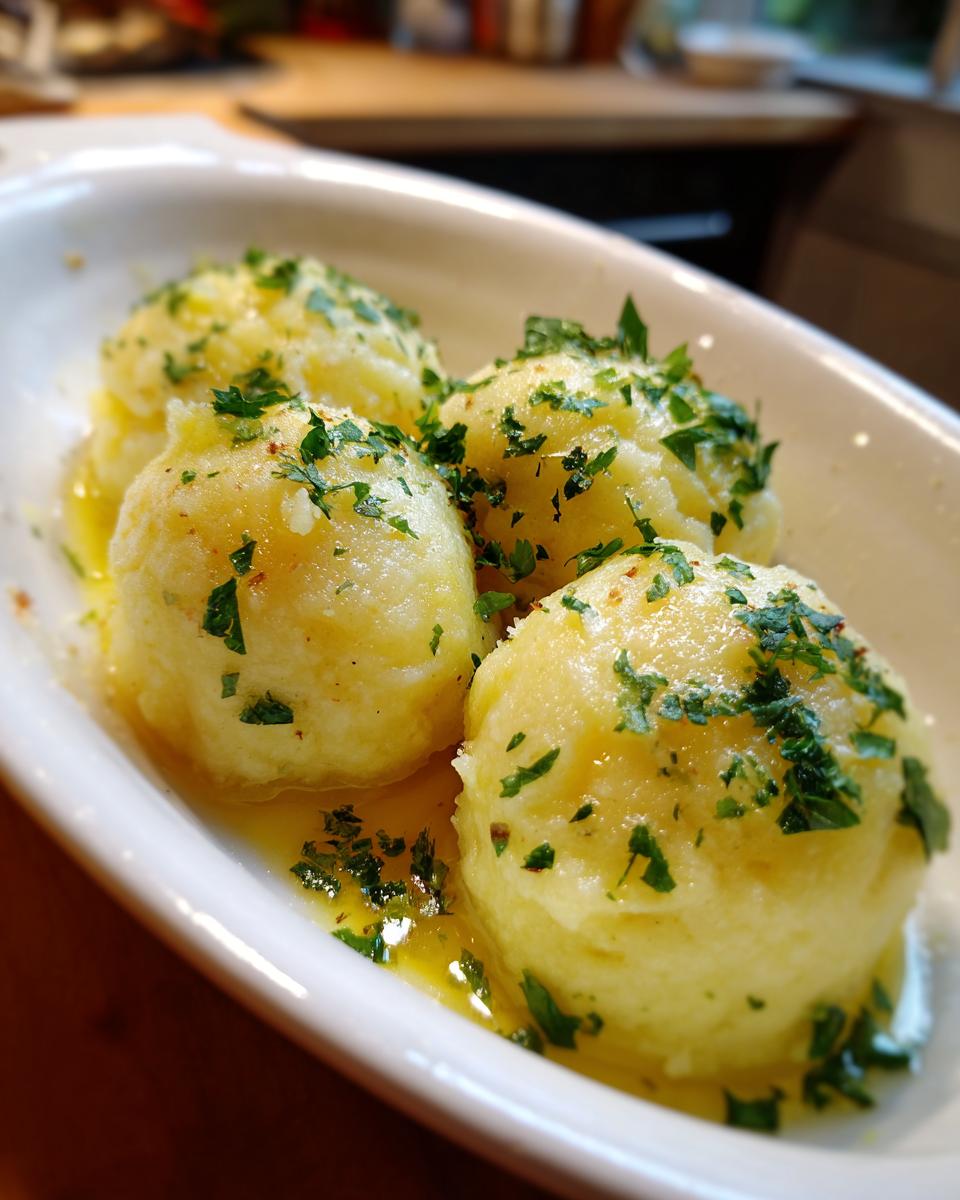
Making **potato dumplings** from scratch really comes down to knowing how to handle the dough when it gets temperamental. Because we are using natural moisture from the potatoes, sometimes the dough feels a little too soft, especially if your potatoes were naturally wetter that day. Don’t panic! This is where practical home cooking steps in.
If your dough is weeping and sticking all over your hands, I have a couple of tricks up my sleeve before you go dumping in too much extra flour. My go-to move is actually chilling the whole mixture for about 20 minutes. That little bit of chill firms everything up beautifully before you start rolling. If you still need a touch more structure after chilling, add just a tablespoon of plain potato starch—it helps bind without adding the heft that wheat flour does.
Remember, these are meant to be rustic, hearty comfort food dumplings, so they don’t need to be perfectly spherical or machine-smooth. If you want more ideas on how to work potatoes into your routine, check out my recipe for the sausage potato egg breakfast burritos! Just focus on gently cooking them once they hit the simmering water.
Serving Suggestions: Pairing Potato Dumplings with Gravy
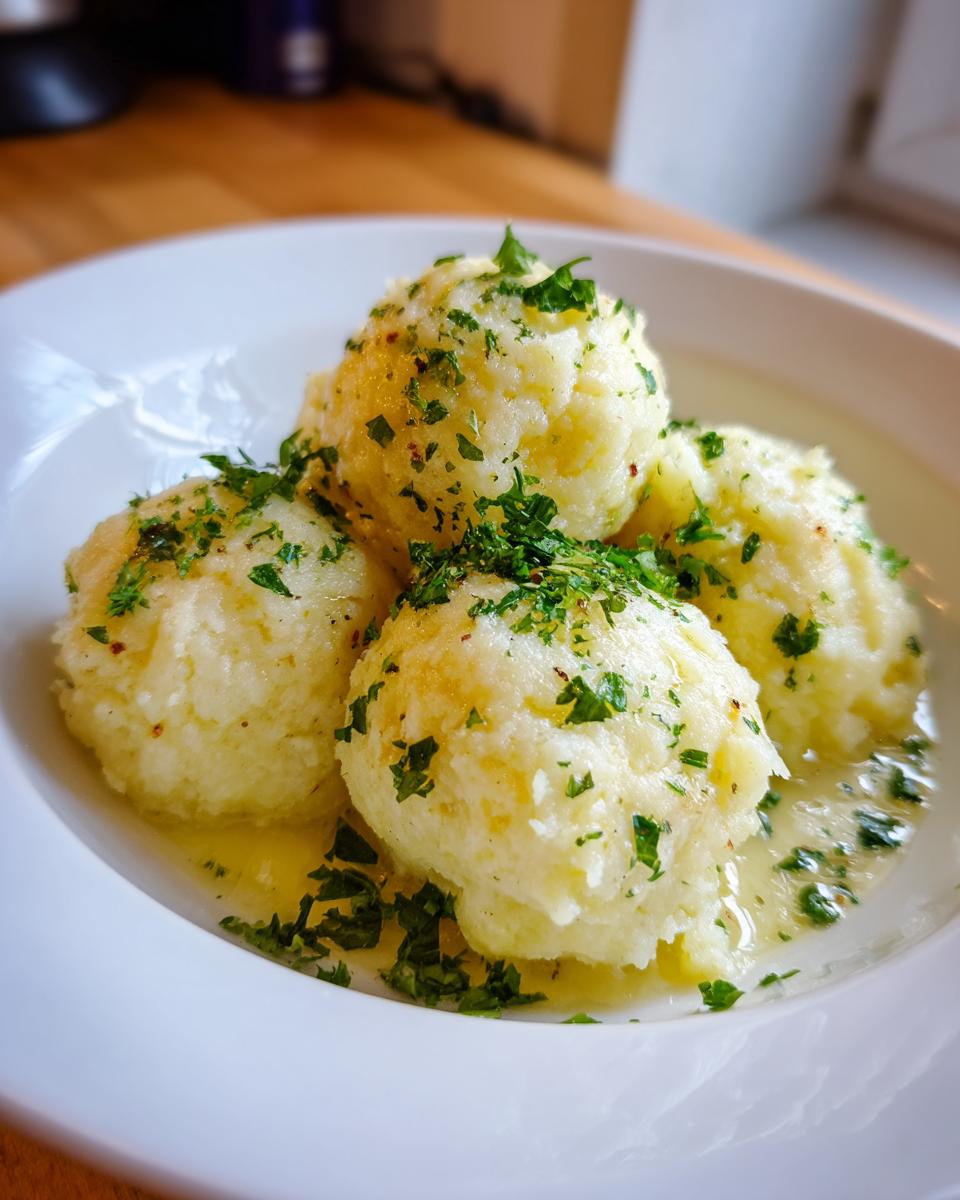
These aren’t just fillers; these **potato dumplings** are meant to be the star supporting cast to something rich and savory. We made them perfectly neutral and fluffy so they can absorb all the deliciousness you put on the plate. If you’re serving these the traditional German way, you absolutely need a rich, dark brown gravy—maybe one made right from the pan drippings of a roast beef or pork loin. That combination is pure magic for any **hearty comfort food meal**.
But don’t stop there! If you have leftover dumplings, don’t just reheat them plain. Slice them up the next day, toss them into a skillet with some butter until they get a little crispy crust, and serve them alongside some braised short ribs. They also make phenomenal additions to soup—if you’re looking for a cozy winter bowl idea, check out my recipe for Irish potato leek soup. Honestly, anything that drips sauce or sits in broth benefits from these little sponges. You can try them with my rich French onion beef too; they’ll soak up that savory juice perfectly!
Exploring International Variations of Potato Dumplings
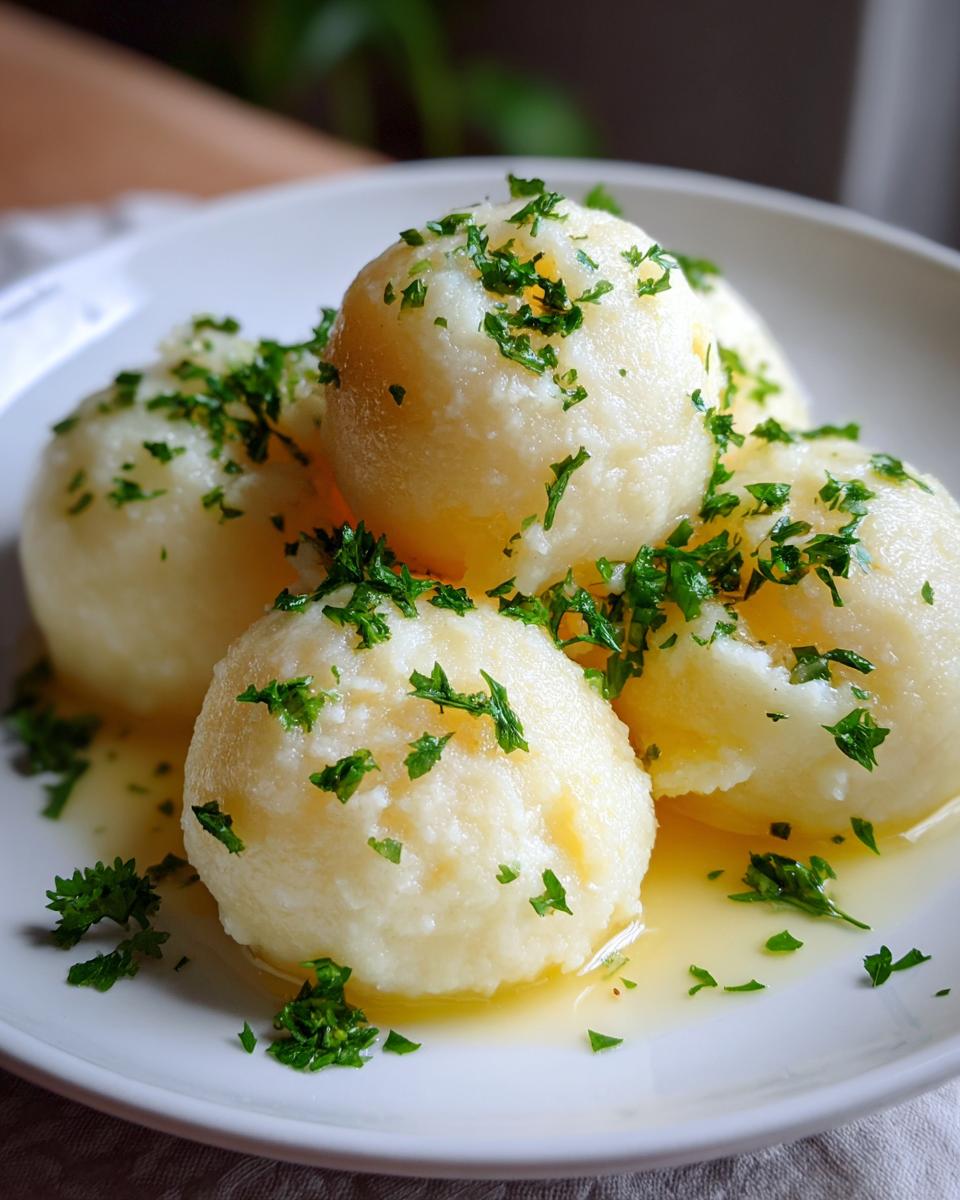
While my heart belongs to these classic German Kartoffelkloesse, it’s wonderful to know that almost every culture has its own version of these amazing **potato side dishes for dinner**. It shows just how universal the love for simple, hearty starch is! Knowing the foundation of our recipe makes it easy to step into other territories.
Think about the Polish Kopytka; they are often smaller and shaped a bit like little diamonds or crescents. They tend to be slightly denser than the fluffy boiled German style, often served right with cream or mushroom sauce. Then you have the Norwegian Klub—wow, those are hearty! Klub uses cooked potatoes mixed with flour and often bacon fat, resulting in a much denser, almost stew-like dumpling that sticks to your ribs during a long, cold winter. They really fit that “Winter Warm Up Recipes” need.
And if you ever pan-fry the leftovers of our German base, you are practically making Schupfnudeln! These are often pan-fried after boiling until they get crispy brown edges, making them an entirely different experience. Our core recipe is the perfect starting point for exploring all these delicious **Traditional Dumpling Recipe** cousins. I even looked up a few classic recipes from The Wanderlust Kitchen just to see their take on a few regional differences!
Storage and Reheating Potato Dumplings
So, what happens if you’re like me and make an entire batch because you can’t stop eating them while they’re hot? Don’t worry, these freeze and reheat beautifully! If you have leftovers, store your cooked potato dumplings in an airtight container in the fridge for up to four days. They might get a little firmer as they cool down, but that’s totally normal—that just means they held their structure!
The secret to resurrecting that fresh, fluffy texture is gentle heat. Please, resist the urge to microwave them; that just makes them chewy and tough. Instead, bring a shallow pot of salted water back to a gentle simmer. Drop the cold dumplings in for about five to eight minutes until they warm all the way through and float again. You could also steam them for about ten minutes. They come out tender and ready for more gravy!
Frequently Asked Questions About Potato Dumplings
It seems like every time I post a picture of these on social media, the questions start rolling in! That’s how you know you’ve hit on a topic people really want to master. Making **potato dumplings** from scratch can sometimes feel intimidating, but really, most issues come down to one small step being rushed. Let’s clear up some of the most common things folks ask me about trying to figure out how to make potato dumplings from scratch.
Can I use instant mashed potatoes or potato flakes instead of fresh potatoes?
Oh, I respect the hustle when you’re aiming for speed, but in this case, I really urge you to stick to fresh, boiled, and mashed potatoes. Instant flakes have already been dehydrated, and they are just too starchy and dry to absorb the liquid correctly without turning your dumplings heavy and gummy. The natural moisture and binding starch in a fresh Russet potato are what give us that perfect light consistency we’re after. If you try instant flakes, you’ll need to add tons of extra egg, and it just won’t melt in your mouth the same way.
My dumplings keep falling apart when I cook them. What went wrong?
This is the number one issue people face, and it almost always comes down to two things. First, you didn’t let your mashed potatoes cool down completely—hot mash absorbs the flour differently and results in a weak structure. Second, your boiling water was too angry! If you drop your dumplings into a rolling, furious boil, the agitation rips them apart before they have time to set. You need a gentle, barely bubbling simmer, just like poaching an egg. They should float gently to the top, and that’s your cue to let them cook softly for another five minutes.
What is the difference between Kartoffelkloesse and Gnocchi?
That’s a great question, especially since they both rely on potato! The main difference is in the starch ratio and the final texture. Gnocchi usually contains significantly more flour, often has a slightly different shape, and is generally denser and chewier—those beautiful little ridges on gnocchi are meant to grab sauce. Our German **potato dumplings** are designed to be lighter, airier, and softer, almost like savory bread, perfect for soaking up rich, thin gravy. Our foundation recipe focuses on keeping that base very light.
Can I freeze raw potato dumpling dough?
Yes, you absolutely can! If you want to save time later, you can roll them into balls, place them on a baking sheet lined with parchment paper (so they don’t stick!), and freeze them solid for about two hours. Once they are rock hard, transfer them to a heavy-duty freezer bag. When you’re ready to cook them weeks later, drop them straight from the freezer into simmering water—you might need to add an extra minute or two to the cooking time. They are fantastic make-ahead staples, just like my recipe for my easy moist banana bread!
Nutritional Estimates for This Comfort Food Dumplings Recipe
If you’re counting calories, I always want to be upfront about what we’re putting into our bodies, even with the best **comfort food dumplings**! Since these are primarily potato and flour, they lean towards being great energy for a chilly evening, but light on fat unless you douse them in butter and gravy.
Please remember that these are just estimates based purely on the four main ingredients listed in the recipe (potatoes, flour, egg, salt) measured cleanly *before* adding butter or any sauces. What you serve them with makes a difference!
- Serving Size: 2 dumplings
- Calories: 210
- Fat: 1.5g
- Carbohydrates: 45g
- Protein: 5g
- Sodium: 150mg (This depends heavily on the salt you add!)
Nutritional Estimates for This Comfort Food Dumplings Recipe
If you’re counting calories, I always want to be upfront about what we’re putting into our bodies, even with the best **comfort food dumplings**! Since these are primarily potato and flour, they lean towards being great energy for a chilly evening, but light on fat unless you douse them in butter and gravy.
Please remember that these are just estimates based purely on the four main ingredients listed in the recipe (potatoes, flour, egg, salt) measured cleanly *before* adding butter or any sauces. What you serve them with makes a difference!
- Serving Size: 2 dumplings
- Calories: 210
- Fat: 1.5g
- Carbohydrates: 45g
- Protein: 5g
- Sodium: 150mg (This depends heavily on the salt you add!)
Classic German Potato Dumplings (Kartoffelkloesse)

Make soft, fluffy German Potato Dumplings from scratch. This easy recipe uses simple ingredients to create a hearty side dish perfect for soaking up gravy or serving with roasted meats.
- Prep Time: 25 min
- Cook Time: 30 min
- Total Time: 55 min
- Yield: 4 servings 1x
- Category: Side Dish
- Method: Boiling
- Cuisine: German
- Diet: Vegetarian
Ingredients
- 2 lbs starchy potatoes (like Russet), peeled
- 1 cup all-purpose flour
- 1 large egg
- 1 teaspoon salt
- 1/4 teaspoon nutmeg (optional)
- Water for boiling
Instructions
- Cook the potatoes: Place the peeled potatoes in a pot, cover with water, and add salt. Boil until very tender, about 20 to 25 minutes.
- Drain the potatoes completely and let them steam dry for a few minutes. Mash the potatoes thoroughly while still warm, ensuring no lumps remain. Let the mashed potatoes cool completely.
- In a large bowl, combine the cooled mashed potatoes, flour, egg, and nutmeg. Mix gently until just combined. Do not overmix; the dough should be soft but manageable.
- Lightly flour your hands. Take about 2 tablespoons of the potato mixture and roll it into a smooth ball or oval shape, about 1.5 inches in diameter. This is your Kartoffelkloesse.
- Bring a large pot of salted water to a gentle simmer (do not boil rapidly). Carefully drop the dumplings into the simmering water.
- Cook the dumplings until they float to the surface, then continue to cook them for an additional 5 minutes.
- Remove the dumplings from the water using a slotted spoon. Serve immediately with melted butter, fresh parsley, or your favorite gravy.
Notes
- For the fluffiest dumplings, ensure your mashed potatoes are completely cool before mixing in the flour and egg.
- If you prefer a slightly different texture, you can substitute half the mashed potatoes with cooked, riced potatoes.
- These potato dumplings pair well with roast chicken or beef and rich brown gravy.
Nutrition
- Serving Size: 2 dumplings
- Calories: 210
- Sugar: 0.5
- Sodium: 150
- Fat: 1.5
- Saturated Fat: 0.3
- Unsaturated Fat: 1.2
- Trans Fat: 0
- Carbohydrates: 45
- Fiber: 3
- Protein: 5
- Cholesterol: 30