

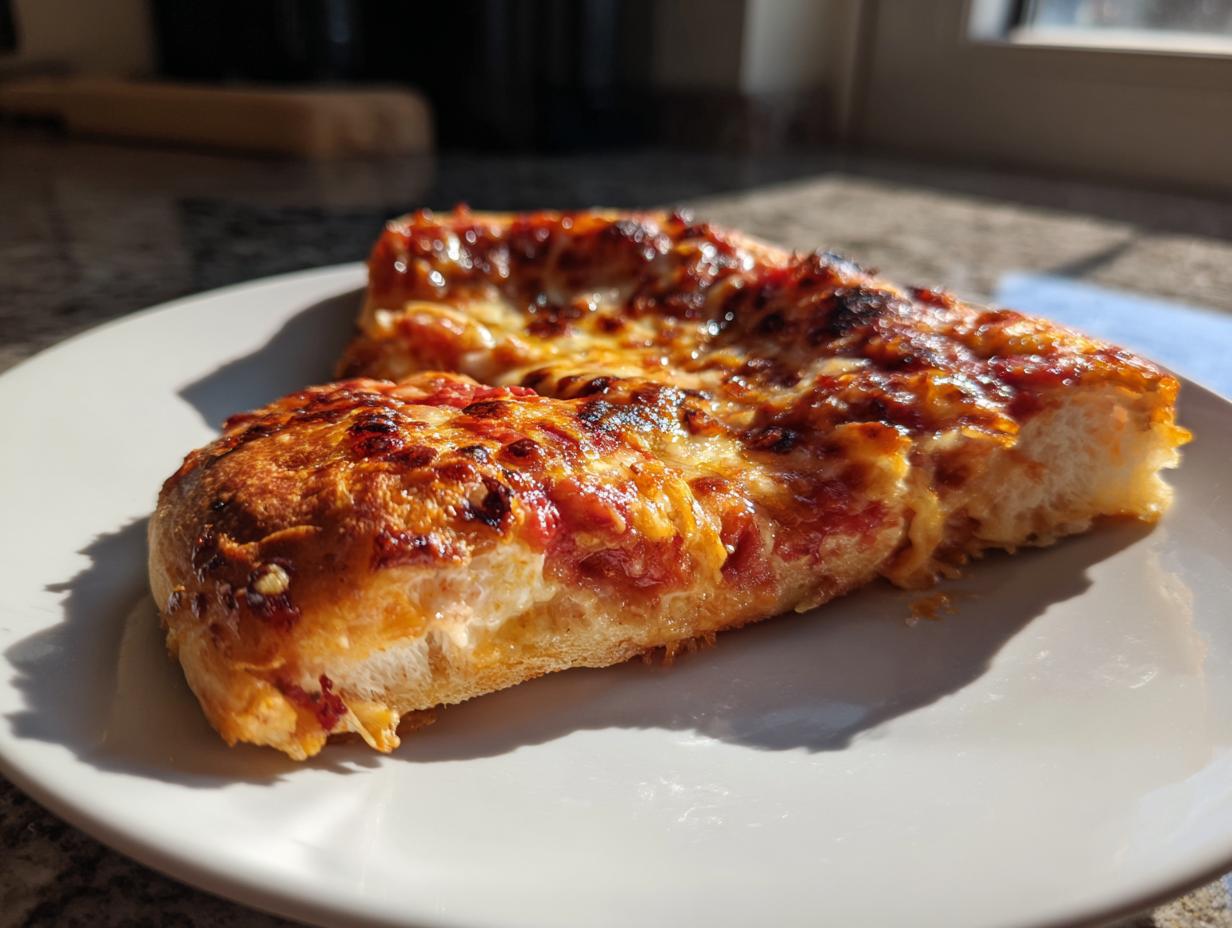
There’s a moment, right after you pull a piping hot pie from your own oven, that just can’t be beat. Forget takeout—the sheer satisfaction of creating truly fantastic homemade pizza from scratch is unmatched. For years, I tinkered in my kitchen trying to nail that perfect consistency: chewy in the middle but definitely crispy underneath. I finally cracked the code, and the best part is you get two options for the dough. You can get a fantastic crust ready in about an hour for a quick weeknight dinner, or give the dough an overnight cold rest to achieve that gorgeous, deeply flavored, artisan texture. If you’ve ever struggled with gummy bottoms, you need to check out my method for sourdough discard pizza dough later! Trust me, after testing batch after batch, this approach is the one that truly sings!
- Why This Is The Best Homemade Pizza Recipe for Your Kitchen
- Ingredients for Your Homemade Pizza
- Making the Easy Homemade Pizza Dough
- Crafting the Perfect Pizza Sauce from Scratch
- Step-by-Step Instructions for Assembly and How to Make Pizza at Home
- Flavor Variations for Gourmet Homemade Pizza Night Ideas
- Simple Pizza Night Dinner Storage and Reheating
- Frequently Asked Questions About Homemade Pizza
- Estimated Nutritional Data for This Homemade Pizza
Why This Is The Best Homemade Pizza Recipe for Your Kitchen
If you’re hunting for the absolute best homemade pizza recipe, stop scrolling. What makes this one so reliable is the dough—it just never fails. I’ve engineered this recipe to give you options, which is crucial when life gets hectic. Need dinner fast? Great, the 1-hour proof gets you there with a lovely, satisfying crust.
But if you have time to plan just 24 hours ahead, the overnight cold fermentation delivers an incredibly complex flavor structure that rivals your favorite local artisan shop. That’s the secret to achieving that perfect crispy crust pizza recipe result without needing a thousand-degree wood-fired oven. It’s efficient, it’s reliable, and I know you can master it. Check out my main guide on easy homemade pizza dough for even more variations on flour swaps!

Ingredients for Your Homemade Pizza
Getting started is just a matter of grabbing the essentials. Remember, for the best melt and that classic stretch, you really want low-moisture mozzarella—pre-shredded bags are okay in a pinch, but freshly grated melts so much nicer! You’ll notice we are keeping the sauce simple here so the dough always shines. This recipe yields enough for two lovely medium pies, perfect for family pizza night ideas.
Ingredient Notes and Substitutions
Let’s talk about the flour. I wrote this using all-purpose flour because it’s easy to find, making it perfect for a quick weeknight pizza. However, if you switch to bread flour, you’ll develop more gluten, which gives you a chewier texture—great for that artisan pizza at home vibe!
The water temperature is non-negotiable. If it’s too cold, the yeast just sleeps; if it’s too hot, you risk killing it completely. Aim for that sweet spot around 110°F, just warm to the touch. If you don’t have Parmesan, don’t stress; a little extra mozzarella or a sprinkle of salt on the crust edges works just fine when you are building your perfect homemade pizza from the ground up.
Making the Easy Homemade Pizza Dough
This is where the magic starts, and honestly, this is my favorite part of making a from scratch pizza crust. We start gently by waking up our yeast. Get your warm water, sugar, and yeast together in a big bowl and just let it sit. If you don’t see foam on top after about five minutes, your yeast might be sad, so start over—that foam guarantees you have an active little yeast party ready to go!
Once that’s happy, we mix in the rest. I always add the oil with the wet stuff and then slowly bring in the flour and salt mixture. Don’t dump it all in at once, or you’ll end up with a dusty mess that won’t come together properly. Once it’s shaggy, it’s time to work it onto the counter.
Kneading is essential for developing strength, but don’t overdo it! You want it smooth and elastic. Here’s my test: grab a small piece and gently stretch it like taffy. If you can stretch it thin enough to almost see light through it without it tearing right away—that’s the windowpane effect! That means the gluten is developed, and you have a no fail pizza dough. If you need more kneading practice, my guide on whole grain breads touches on great technique!
The Quick Rise vs. Make Pizza Dough Overnight
Now, we decide on the schedule. If it’s a Tuesday and you need dinner ASAP, the quick rise is your hero. Oil that bowl, nestle the dough in, cover it tight, and let it double in a warm spot for an hour. Easy, right?
But, if you can plan ahead—and I highly recommend you try this at least once—we go straight into the fridge. This is the make pizza dough overnight option. That long, slow cold fermentation is pure gold. The dough develops deep, slightly tangy flavors. When you pull that container out the next day, you’ll have a dough that bakes up beautifully chewy and blistered, giving you that special artisan pizza at home quality without extra effort the next day. You can learn more dough tips from the folks over at The Cozy Cook!
Crafting the Perfect Pizza Sauce from Scratch
Before we even think about cheese, we need a killer base sauce. You might think you need to simmer tomatoes for hours, but for a truly great homemade pizza, simple wins! Right in the notes, I gave you my super quick recipe: just crush up some canned tomatoes, throw in a clove of garlic, a pinch of oregano, and let it simmer gently for about 15 minutes. That’s it!
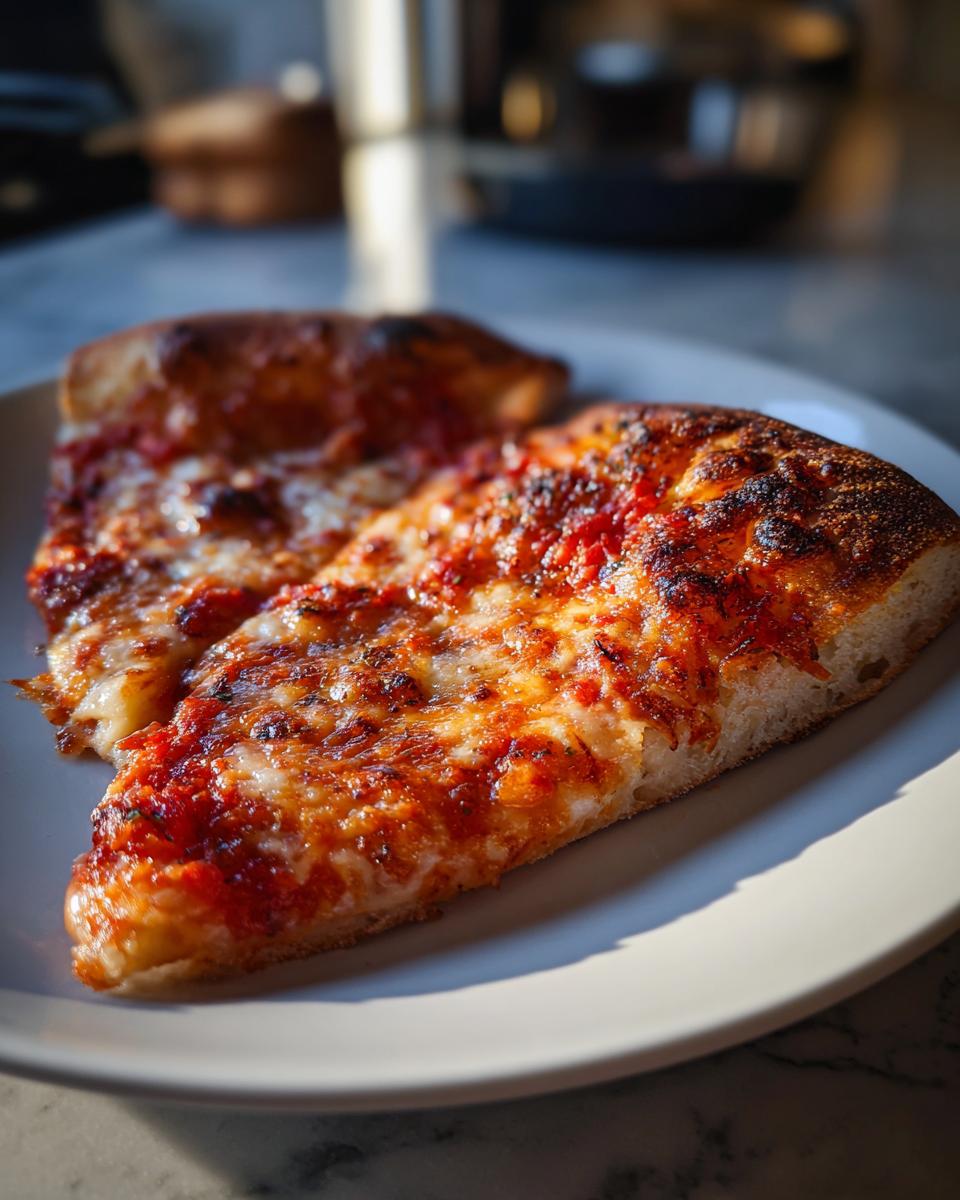
Why so simple? Because this crust is already rich and flavorful from the long rise options. Overpowering it with a thick, herbal sauce will just weigh everything down. We want high flavor but low density. The cooked sauce adds just enough acidity and moisture without making the bottom soggy. If you’re pressed for time and using store-bought, look for a brand that doesn’t load up on sugar. Seriously, sugar belongs on dessert, not our pizza sauce from scratch! If you haven’t tried a creamy base, you should check out my recipe for homemade Alfredo sauce—it makes for an incredible white pizza!
For something different next time, maybe try that White Garlic Pizza Sauce recipe floating around online from the folks at Busy Mom Simple Nutrition. It’s amazing!
Step-by-Step Instructions for Assembly and How to Make Pizza at Home
Alright, the dough is ready, the sauce is simmered, and now it’s time to finish learning how to make pizza at home like a pro! The single most important, non-negotiable step here is the preheat. You have to get that cooking surface screaming hot. I mean it—throw your pizza stone or even just a heavy baking sheet in the oven while you’re still mixing your ingredients and crank that dial to 475°F. Don’t even think about putting the pizza in until that surface has been soaking up heat for a solid 30 minutes. I learned this the hard way years ago when I tried sneaking my first pizza onto a stone that was barely warm. It stuck, it steamed, and frankly, it was a disaster. Now I wait patiently every time!
Once you’re ready to shape, be gentle. If you used the overnight dough, it might feel a little stiff, so let it rest for 15 minutes on the counter first. Use your knuckles to gently stretch it, never a rolling pin, especially if you want those air bubbles around the edge. Spread your sauce thin—too much sauce equals a soggy center, guaranteed. Then go light on the cheese and toppings. Overloading is the second biggest way to ruin that beautiful rise we worked so hard for! If you need some inspiration for the next time you switch gears from pizza to crispy oven fare, check out my guide to crispy baked chicken wings.
Achieving a Crispy Crust Pizza Recipe Finish
This is all about transferring that heat! If you’re using a pizza stone (which I highly recommend for a true crispy crust pizza recipe), the parchment paper trick is a lifesaver. Shape your pizza right onto a sheet of parchment, assemble it completely, and then just slide the whole parchment sheet onto that blazing hot stone. The paper protects the dough until the crust sets, and then you can slide it out from under if you’re following sheet pan pizza recipes instructions, or just leave it for easy removal when it’s done.
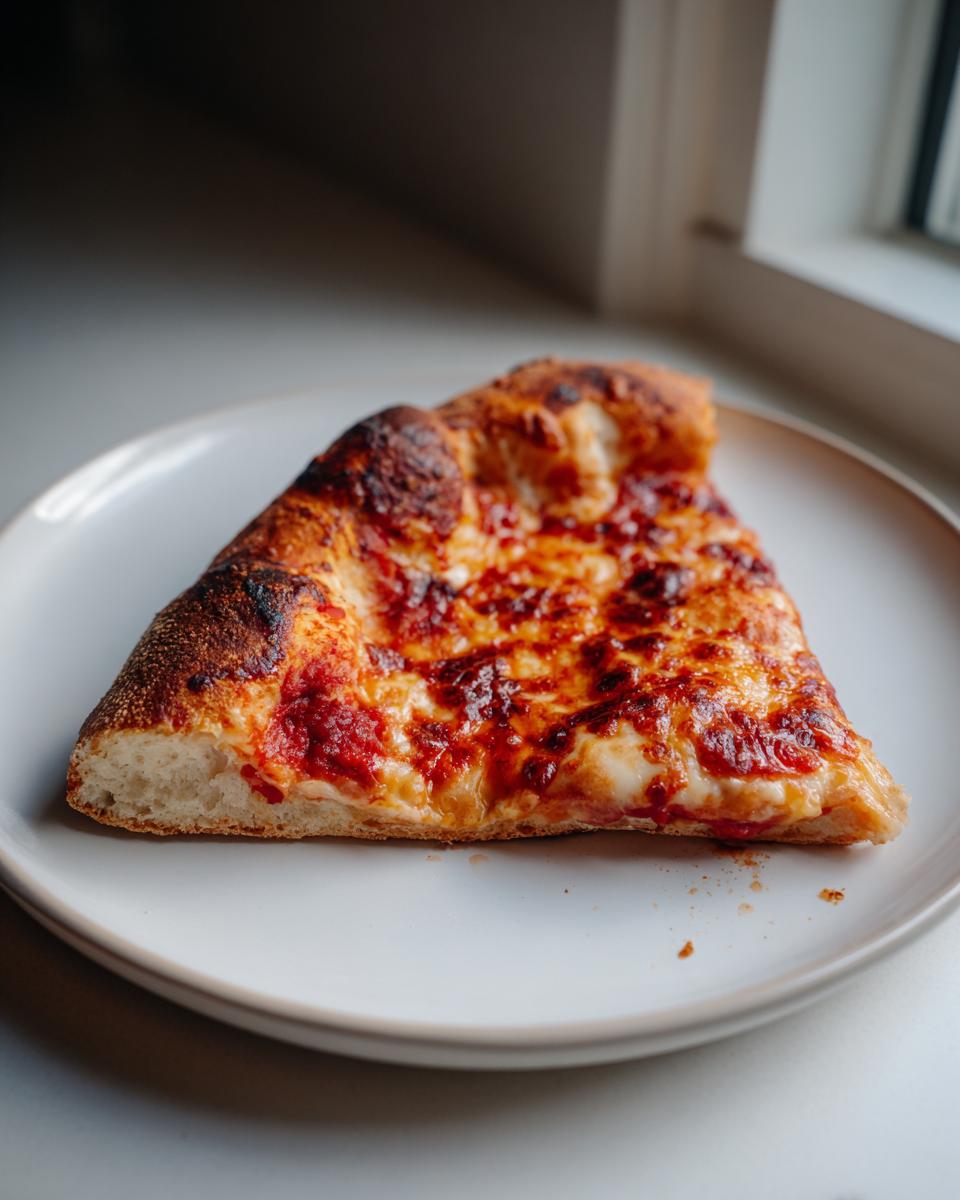
High heat is your friend here. 475°F bakes fast, usually 10 to 15 minutes. You want to see deep golden-brown coloration on the edges and those cheese bubbles starting to char just a little bit. Don’t be afraid of color; that’s where the flavor lives!
If you want to get the full step-by-step from someone else who really knows their technique, check out the instructions over at The Schmidty Wife—she walks through transferring the pizza beautifully.
Flavor Variations for Gourmet Homemade Pizza Night Ideas
Once you’ve mastered the crust base, the real fun begins: topping combinations! This dough is so versatile, it handles heavy sauces and delicate cheeses equally well. You can elevate a standard weeknight meal into something truly special for your next get-together. If you’re looking for inspiration beyond pepperoni and mushrooms, I’ve got a couple of my favorite ways to transform this base.
For smoky and sweet fans, you absolutely have to try the BBQ Chicken Pizza Recipe. The swap is easy: use your homemade barbecue sauce instead of tomato sauce, skip the mozzarella initially, and layer on cooked shredded chicken, red onion, and mozzarella toward the end. You can find a great method over at Lone Recipes! It hits all the right notes!
If you like a little kick, the Buffalo Chicken Pizza is a showstopper. Replace the tomato sauce with a thinned-out buffalo sauce—just a light drizzle so it doesn’t soak the dough—add cooked chicken, and cheeses. Top it with a swirl of ranch or blue cheese dressing after it comes out of the oven. That recipe from The Freshman Cook shows you exactly how to execute this spicy dream.
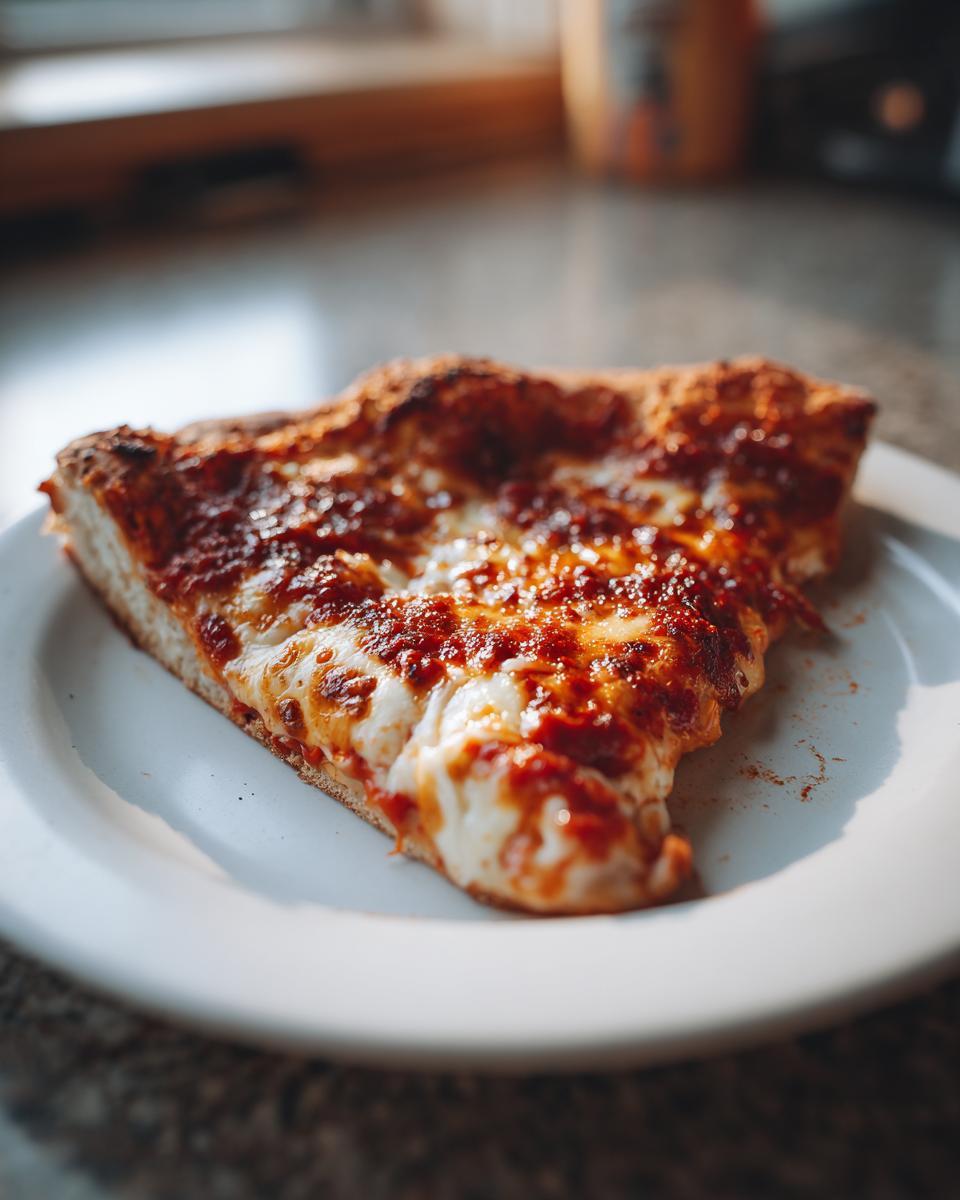
And for turning Tuesday into a fancy Friday? Go for the Prosciutto Ricotta Pizza. Use olive oil as the base—no sauce needed here! Drop dollops of fresh ricotta cheese across the dough, bake it until golden, then immediately drape thin slices of prosciutto over the top. A little drizzle of honey finishes it off perfectly. It feels so gourmet, but it’s incredibly simple! If you need something else great for a crowd, you should absolutely check out my recipe for easy pizza dip next!
Simple Pizza Night Dinner Storage and Reheating
We all know the struggle: you have amazing leftovers, but microwaving them always ends up tasting like sad, floppy cardboard. To keep this terrific homemade pizza crust staying crispy, ditch the microwave entirely! The best method is using a toaster oven or a regular oven set to about 350°F. Just pop the slice directly onto the rack (or a small sheet of foil) and heat for about 5 to 8 minutes until the cheese is melty again.
If kept properly sealed in an airtight container, leftovers are perfectly safe in the fridge for up to three days. Honestly, mine never lasts that long! If soup is needed for another night, you might like my slow cooker chicken noodle soup recipe.
Frequently Asked Questions About Homemade Pizza
I get so many questions about this dough because everyone wants that perfect result when they try to make homemade pizza for the first time. Don’t worry; most issues are super easy to fix once you know the little secrets!
Can I use bread flour instead of AP flour for homemade pizza?
Oh, absolutely, and I highly encourage it if you prefer a chewier crust! Bread flour has a higher protein content than all-purpose flour, which means more gluten development when you knead. This leads to a crust that has more structure and a delightful, satisfying chew. It tends to stretch a little better if you are hand-tossing too. If you’re looking for another great use for bread flour, check out how I make air fryer potato chips!
Why is my homemade pizza dough tough or hard to stretch?
This almost always comes down to two things: either you added too much flour during the initial kneading, or you didn’t let the dough rest long enough. If the dough feels super tight and snaps back when you try to shape it, it means the gluten strands are too stressed. Just cover it back up and let it sit on the counter for another 20 minutes. Time will relax the gluten, and you’ll find it much easier to handle for your from scratch pizza crust.
What is the difference between the 1-hour rise and the overnight proof?
The 1-hour rise is fast and convenient; it gives you a decent, fluffy crust perfect for a weeknight. The overnight proof, which happens in the cold fridge, is fermentation. That slow process allows enzymes to break down starches, which deepens the flavor profile dramatically, giving you that beautiful, complex, slightly tangy taste you associate with truly artisan pizza at home. Both work great for an easy homemade pizza dough, just different results!
Can I bake this pizza on a regular cookie sheet?
Yes, you definitely can! This recipe is designed to be versatile for any standard kitchen setup. If you use a standard cookie sheet (which functions like a baking sheet), you should still preheat it in the oven while it heats up, just like you would a pizza stone. However, I do recommend brushing the sheet pan generously with olive oil first or lining it with parchment paper. This prevents sticking and helps the bottom crisp up nicely, creating a decent sheet pan pizza foundation, though a stone will always give you the crispest bottom possible.
Estimated Nutritional Data for This Homemade Pizza
When you’re enjoying a big wedge of this amazing homemade pizza, you probably aren’t thinking about calories, but for those who are curious, here is what the base ingredients typically provide per serving (1/8th of the recipe).
- Calories: 310
- Fat: 9g
- Carbohydrates: 45g
- Protein: 14g
- Sodium: 550mg
Now, a little disclaimer from my kitchen to yours: these numbers are just guidelines based on the dough, sauce, and standard cheese amounts listed. Once you start piling on pepperoni or drizzle on that garlic sauce I mentioned, the totals are going to shift! It’s an estimate, but still a pretty solid one for a delicious, satisfying meal.
PrintThe Best Easy Homemade Pizza Recipe: Crispy Crust and Simple Sauce

Learn how to make satisfying homemade pizza from scratch, featuring a no-fail dough that works for quick weeknight dinners or overnight cold fermentation for artisan flavor. This recipe focuses on practical techniques for a crispy crust and a simple, flavorful sauce.
- Prep Time: 20 min
- Cook Time: 15 min
- Total Time: 1 hour 35 min
- Yield: 2 medium pizzas 1x
- Category: Dinner
- Method: Baking
- Cuisine: American
- Diet: Vegetarian
Ingredients
- 1 1/2 cups warm water (105-115°F)
- 1 packet active dry yeast (2 1/4 teaspoons)
- 1 teaspoon sugar
- 3 3/4 cups all-purpose flour, plus more for dusting
- 2 teaspoons salt
- 2 tablespoons olive oil, plus more for bowl
- 1 cup pizza sauce from scratch (or store-bought)
- 2 cups shredded low-moisture mozzarella cheese
- 1/2 cup grated Parmesan cheese
- Your favorite toppings (e.g., pepperoni, basil)
Instructions
- Activate the yeast: In a large bowl, combine the warm water, sugar, and yeast. Let it stand for 5 to 10 minutes until foamy.
- Mix dry ingredients: Whisk together the flour and salt in a separate bowl.
- Combine: Pour the olive oil into the yeast mixture. Gradually add the flour mixture to the wet ingredients, mixing until a shaggy dough forms.
- Knead: Turn the dough out onto a lightly floured surface. Knead for 5 to 7 minutes until the dough is smooth and elastic. If using a stand mixer, use the dough hook for 4 minutes on low speed.
- First Rise (Quick Option): Lightly oil a large bowl. Place the dough in the bowl, turning to coat. Cover the bowl with plastic wrap or a clean towel. Let it rise in a warm place for 1 hour, or until doubled in size. (For overnight dough, place in the refrigerator for 12-24 hours after kneading).
- Preheat and Prep: About 30 minutes before baking, place a pizza stone or inverted baking sheet in your oven and preheat to 475°F (245°C).
- Shape the dough: Gently punch down the risen dough. Divide it in half for two medium pizzas or use the whole batch for one large sheet pan pizza. Stretch or roll the dough to your desired thickness and shape on a piece of parchment paper.
- Assemble: Spread a thin, even layer of pizza sauce over the dough, leaving a 1-inch border. Sprinkle with mozzarella and Parmesan cheese, then add your desired toppings.
- Bake: Carefully slide the parchment paper with the pizza onto the preheated stone or baking sheet. Bake for 10 to 15 minutes, rotating halfway through, until the crust is golden brown and the cheese is bubbly.
- Finish: Remove from the oven, let cool for 2 minutes, slice, and serve immediately.
Notes
- For a crispier crust, use a pizza stone or steel heated in the oven for at least 30 minutes before baking.
- If you prefer a sheet pan pizza, lightly oil a 13×18 inch baking sheet and press the dough directly onto the pan.
- To make a simple pizza sauce from scratch, simmer 1 (15 oz) can of crushed tomatoes with 1 clove minced garlic, 1/2 teaspoon dried oregano, and a pinch of salt for 15 minutes.
Nutrition
- Serving Size: 1/8 of pizza
- Calories: 310
- Sugar: 3
- Sodium: 550
- Fat: 9
- Saturated Fat: 4
- Unsaturated Fat: 5
- Trans Fat: 0
- Carbohydrates: 45
- Fiber: 2
- Protein: 14
- Cholesterol: 18