

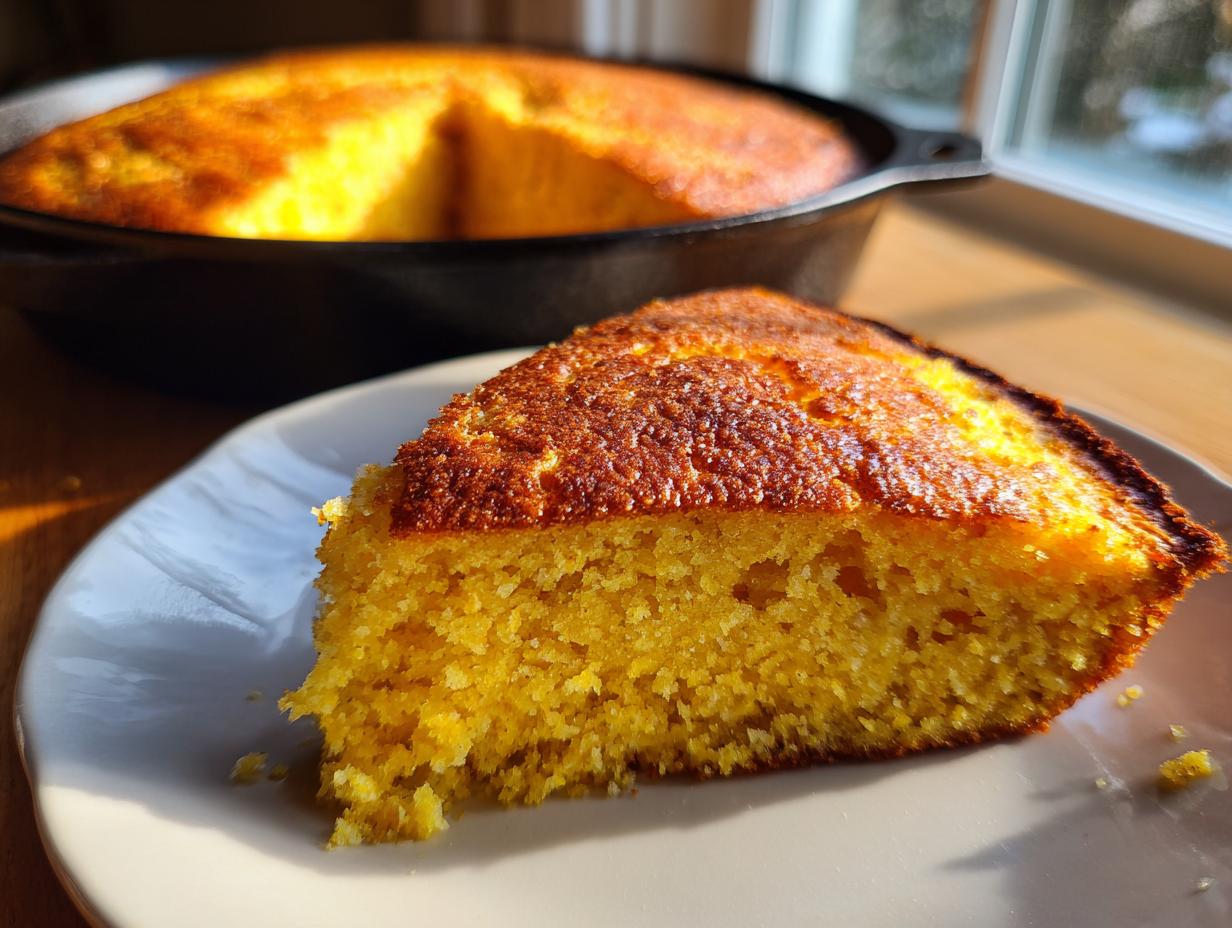
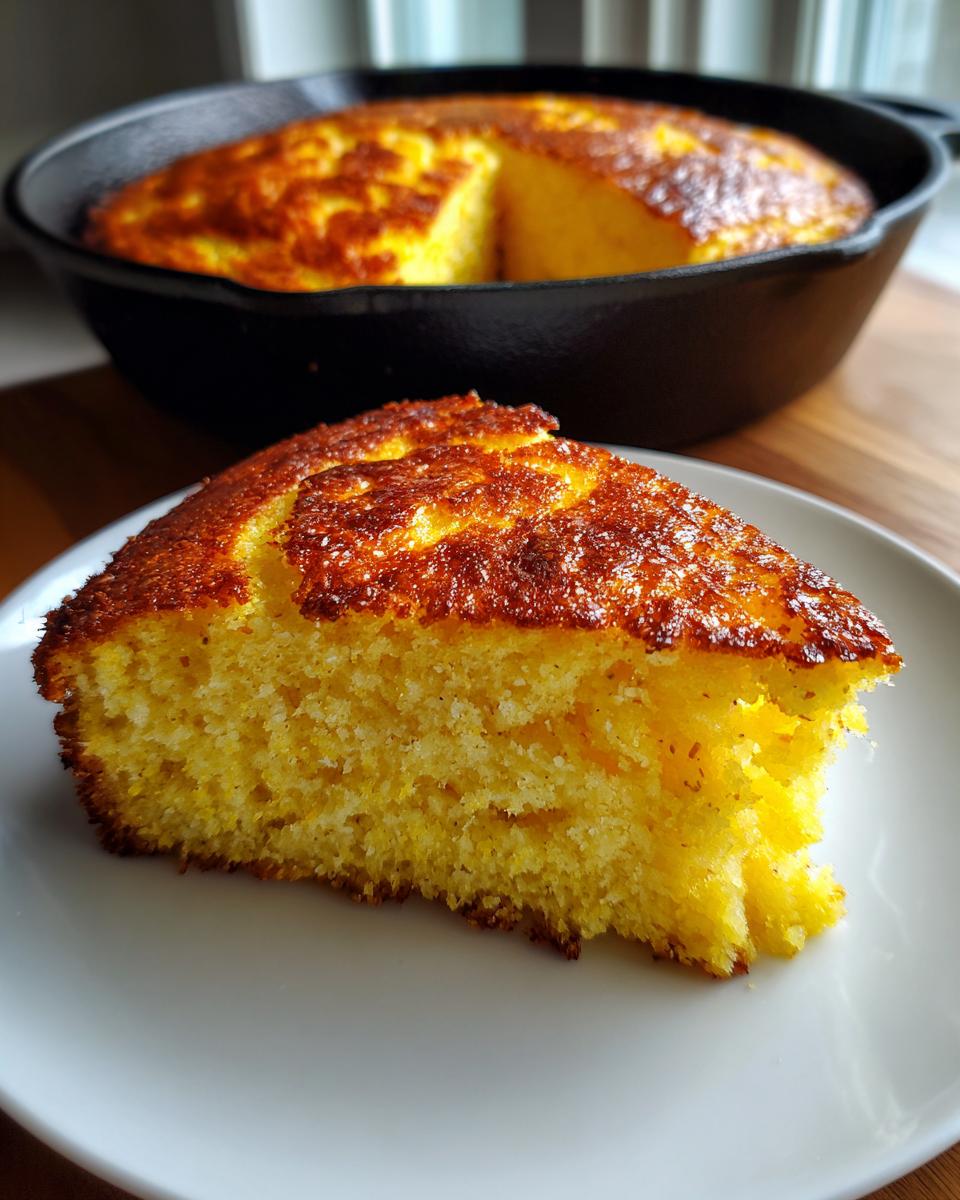
Oh friends, let’s talk about the symphony of texture that happens when you nail cornbread in cast iron. I’m talking about that magnificent contrast: edges that shatter with golden crisp from the searing hot pan, giving way to an impossibly soft, moist interior. Forget everything you think you know about dry, crumbly cornmeal if you’ve never baked it this way. This is the definitive skillet cornbread recipe, rooted deep in authentic Southern tradition, and I promise it creates that perfect balance every time. Here at Delish Symphony, Michael Carter has tested this method countless times in his kitchen to make sure it is foolproof for your busy weeknights. You won’t need any fancy tricks, just the right technique and a good piece of iron. You can read more about how Michael approaches these foolproof recipes on our About Us page!
- Why This Authentic Southern Skillet Cornbread Recipe Works
- Ingredients for Classic Skillet Cornbread
- Step-by-Step Instructions for Perfect Skillet Cornbread
- Ingredient Notes and Substitutions for Your Skillet Cornbread
- Tips for Success with Cast Iron Skillet Cornbread
- Serving Suggestions for This Buttermilk Cornbread Skillet
- Storage and Reheating Your Skillet Cornbread
- Frequently Asked Questions About Skillet Cornbread
- Estimated Nutritional Data for Skillet Cornbread
- Share Your Homemade Skillet Cornbread Experience
Why This Authentic Southern Skillet Cornbread Recipe Works
When I talk about the southern cornbread recipe I rely on, I’m really talking about physics meeting flavor, folks. We’re chasing two nearly opposite textures here, but this method delivers both beautifully. First, that craveable golden, crispy edge cornbread that sticks up around the sides like a tasty wall—that comes entirely from how we treat the pan.
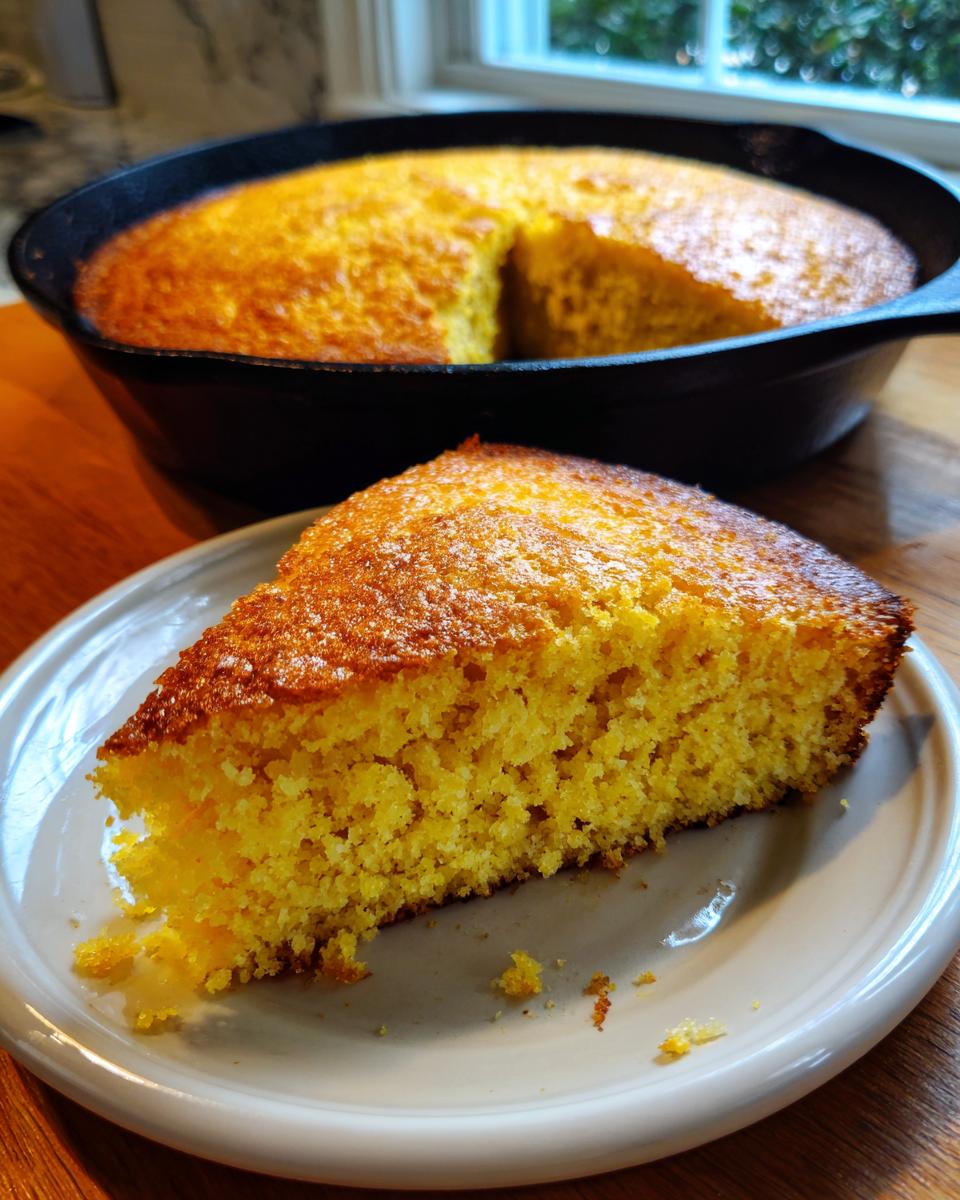
Then, inside, we want that tender, almost creamy center. If you stick to the instructions, this bread stays satisfyingly moist, not dry and dusty like some sad imitations I’ve tried over the years. Plus, I love that we can keep this truly old-fashioned and savory by skipping the honey if we want a perfect side for greens or chili.
Achieving the Perfect Crispy Edge Cornbread
This is the number one rule that separates okay cornbread from legendary cornbread. You absolutely must preheat your cast iron skillet in the oven while it comes up to temperature, usually 400 degrees. And it’s not just the pan; the fat needs to be ripping hot too! We add that bacon grease or butter right into the blazing hot skillet just before pouring in the batter. When that cold batter hits that shimmering, screaming-hot fat onto the searing iron, BOOM—you get instant, perfect crisping around the entire base and rim. Don’t skip this sizzling step, honestly!
Moist Cornbread Tutorial: The Buttermilk Difference
For the interior, we rely on buttermilk. Remember, this is more than just a liquid; it’s an acid that talks to the baking soda. This reaction creates a wonderful lift and keeps the crumb soft and tender. Following a good moist cornbread tutorial means you also have to stop stirring when things are almost combined. Once you add the wet to the dry, stir until everything is *just* incorporated. If you keep beating it into submission, you develop gluten, and that’s how you turn your tender bread into a chewy brick. A few lumps in the batter are your friends here; they promise a lighter texture.
Ingredients for Classic Skillet Cornbread
Okay, the ingredient list for this is wonderfully short, which I love because it means we can focus on the quality of what we use. This recipe is what I consider authentic; it doesn’t load up on sugar hoping to hide weak flavor. We’re focusing on cornmeal and that tangy buttermilk. I always make sure my egg is just lightly beaten—we don’t want to whip air into it! Now, about the honey: it’s totally optional. If you leave it out, you get a wonderfully robust, savory cornbread no sugar profile that pairs perfectly with smoky barbecue. If you leave it in, just a touch of sweetness complements the corn beautifully. For quick ideas on other morning bakes, check out some of my favorites here!
- 1 cup yellow cornmeal
- 1 cup all-purpose flour
- 1 teaspoon baking soda
- 1/2 teaspoon salt
- 1/4 cup bacon grease or unsalted butter, melted, plus more for greasing
- 1 large egg, lightly beaten
- 1 cup buttermilk
- 1 tablespoon honey (optional, omit for savory version)
Step-by-Step Instructions for Perfect Skillet Cornbread
Getting this skillet cornbread right is all about timing, especially when that cast iron gets involved. It’s surprisingly quick—seriously, this feels like a quick homemade bread triumph—but every second counts when that hot skillet is waiting. We’re going to break this down into two simple phases: getting the batter ready while the pan gets hot, and then the crucial high-heat finish that gives us that incredible crunch. I’ve got all the details here so you can focus on what’s for dinner while this bakes up fast. If you’re looking for other quick meals, Michael has some great ideas for weeknight dinners that are just as speedy!
Preparing the Cast Iron Skillet Cornbread Base
First thing first: get your oven fired up to 400°F (200°C) and toss that empty 10-inch cast iron skillet right inside so it can heat up properly. While that’s happening, mix your dry ingredients—cornmeal, flour, baking soda, and salt—in a separate bowl. If you’re using honey, whisk it in with the dry stuff. In a smaller second bowl, gently whisk together your melted bacon grease (or butter), the egg, and the buttermilk. Now, here’s where you must listen to me: Pour the wet into the dry and stir minimally. I mean it! Just enough so you don’t see streaks of white flour anymore. Overmixing guarantees a tough texture, and we want tender, remember?
The Sizzle: Baking Your Skillet Cornbread
This is the moment of truth! Carefully pull that screaming-hot skillet out with heavy mitts (seriously, wear them!). Drop another tablespoon, maybe even two, of that bacon grease or butter right into the center. It should melt and shimmer instantly. Immediately pour your barely-mixed batter right into that sizzling fat. You should definitely hear a satisfying hiss when the batter hits the pan—that sizzle is the sound of your crispy edges forming! Pop it right back into the 400°F oven. Bake it for about 20 to 25 minutes. You’re looking for a deep golden brown top and when you touch it gently, it should spring back a little. Then pull it out and let that gorgeous buttermilk cornbread skillet cool for just five minutes before diving in.
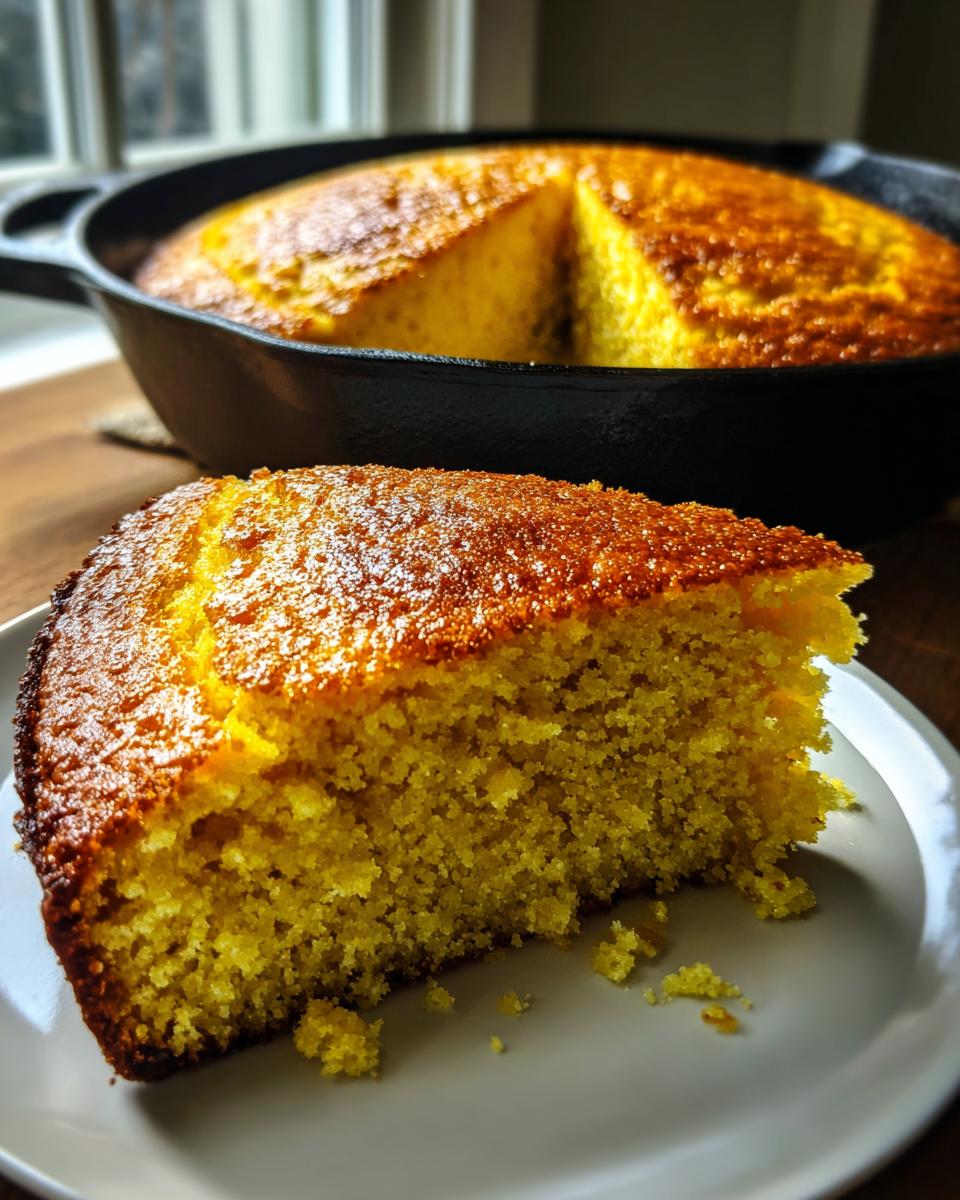
Ingredient Notes and Substitutions for Your Skillet Cornbread
Okay, talking substitutions and notes is where you really show you understand the heart of an old fashioned cornbread recipe. Since we are aiming for the best texture and flavor every single time, I want you to feel empowered to swap things out if you are missing an ingredient. This recipe relies on a few key players, and understanding their role helps you troubleshoot when life throws you a curveball in the pantry, like running out of bacon grease! Michael spends hours testing these variations to ensure the core result doesn’t collapse, and I always suggest grabbing a copy of our jalapeno dip recipe if you are looking to test out adding some cheddar and heat next time!
Sweet Cornbread Recipe Skillet vs. Savory Cornbread No Sugar
This is often the biggest dividing line when people talk about cornbread—do you love it sweet or do you like it strictly savory? For this recipe, we kept it balanced by making the honey optional. If you are making a truly traditional, hearty accompaniment for chili or collard greens, definitely stick to the savory cornbread no sugar version. Just leave out that tablespoon of honey entirely.
However, if you are set on having a slightly sweeter profile for your sweet cornbread recipe skillet bake, you have a couple of options. You can keep the honey in as noted in the ingredients, or, if you’re out of honey, you can try swapping in 1 to 2 tablespoons of packed brown sugar instead. That molasses in the brown sugar really complements the cornmeal nicely, giving it that richer, slightly deeper flavor without making it taste like cake. It’s all about finding the balance that tastes right for your table!
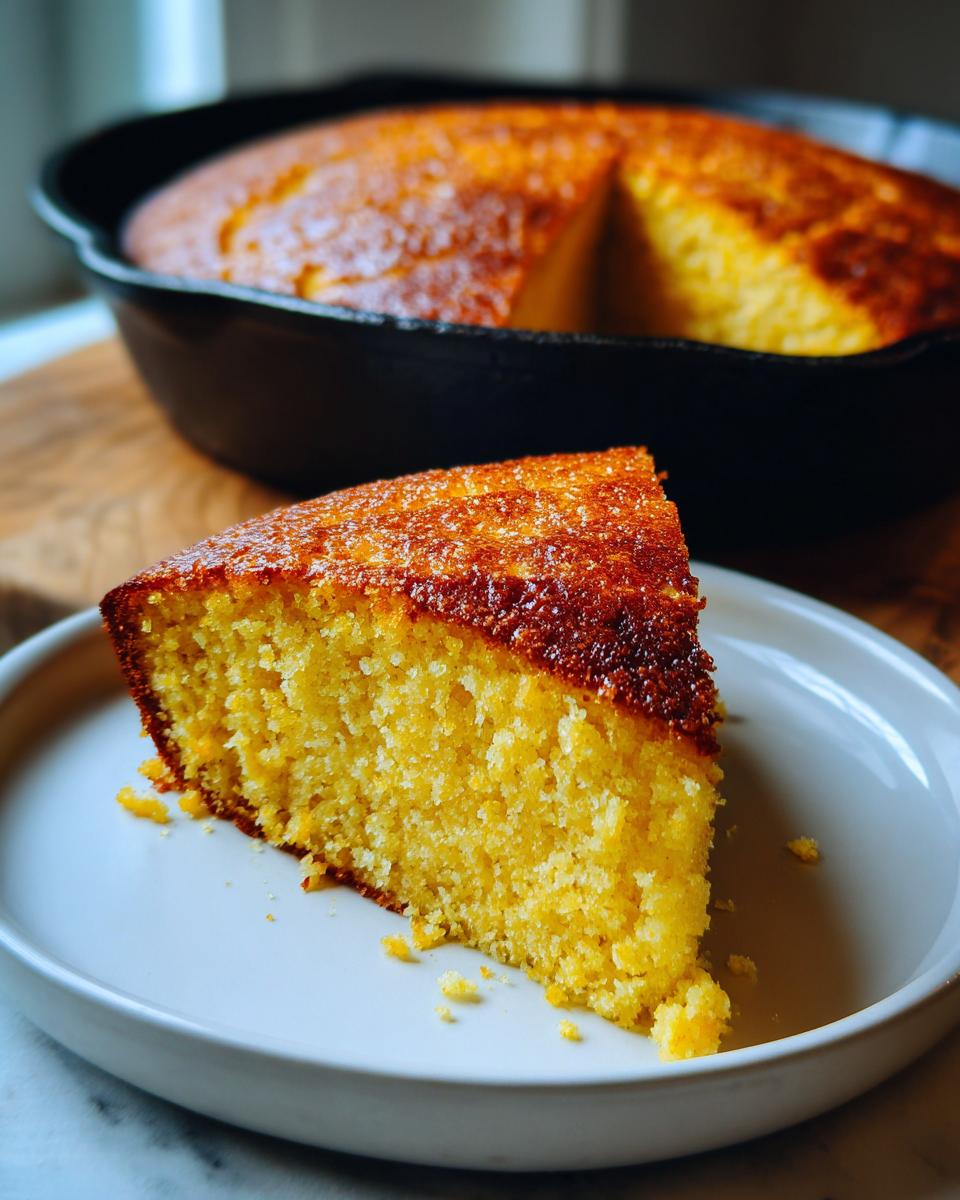
Also, let’s talk buttermilk! That tang is essential for reacting with the soda. If you’re in a pinch and don’t have any, don’t panic. Just take regular milk—any kind you have—and stir in one tablespoon of white vinegar or lemon juice for every cup of milk you need. Let it sit on the counter for about five minutes until it looks slightly curdled. That’s your homemade buttermilk ready to go to give you those tender results. And yes, if you skip the honey, it leans right into that savory comfort food category we crave!
Tips for Success with Cast Iron Skillet Cornbread
I have made this skillet cornbread so many times I could probably do it in my sleep, but honestly, the success hinges on just a couple of non-negotiable things. Michael stresses the importance of these details in our testing because they are the difference between a decent side dish and the absolute best crispy edge cornbread you will ever have. Trust me on these short cuts—they pay off huge in texture!
Here are a few things I always double-check before I even start mixing my batter. These tips will help you replicate that classic, just-out-of-the-oven perfection every time. If you are trying to get that ultimate crispy texture, make sure these steps are followed closely. For more crunchy goodness, you might want to check out how Michael handles getting crispy potatoes in his famous skillet potato recipe!
First, you cannot cheat the preheat time. I’m not talking about just letting the skillet warm up while the oven gets to 400°F. I mean we want that cast iron pan nesting in that heat for a good 15 to 20 minutes while the oven settles. This ensures the iron itself is blazing hot all the way through.
Second, use the right fat for the sizzle. Bacon grease is traditional, and honestly, it gives the best flavor layer, but you must make sure it’s shimmering hot before the batter goes in. If you use butter, make sure it’s completely melted and sizzling—not just soft. That instant shock of heat creates the crust. Don’t be shy about using enough fat to coat the sides of the pan completely once it’s hot.
Third is the anti-overmixing warning—I know I sound like a broken record, but it’s crucial! Once the wet and dry ingredients meet, you’re looking for a quick, gentle fold just until no dry streaks remain. This keeps the structure light and tender inside, which is the perfect counterpoint to that hard, crispy exterior we worked so hard to create. It’s a balancing act, and patience during the mixing phase is your secret weapon!
Serving Suggestions for This Buttermilk Cornbread Skillet
Now that you have this incredible, warm, perfectly textured buttermilk cornbread skillet masterpiece, the real fun begins: what are you going to eat it with? Since this recipe leans slightly savory (especially if you skip the honey), it’s the perfect foil for so many classic American comfort foods. It’s truly a versatile star on the dinner table!
Around my house, this cornbread is mandatory alongside a big bowl of hearty soup or chili after a long day. If you’re looking for an amazing main dish that goes perfectly with that savory crust, you have to check out Michael’s easy chili recipe—it’s just the right richness level.
But don’t stop there! This cornbread shines next to slow-cooked smoked meats at a summer BBQ so it can soak up those tasty juices. Or, for a true Southern experience, serve big wedges alongside braised collard greens or black-eyed peas. If you kept the touch of honey in your batter, that slight sweetness is fantastic because it balances the saltiness and earthiness of those intensely savory sides.
And honestly? Sometimes, the best way to eat a slice fresh out of the pan is just with a huge slab of cold butter melting right into that hot, crispy edge. No pairing necessary, just pure comfort!
Storage and Reheating Your Skillet Cornbread
I hate the thought of leftover cornbread going stale! The good news is that since this is a buttery, buttermilk-based bake, it actually holds up really well for a couple of days, but you have to store it correctly to protect that amazing texture we worked so hard for. Because we used buttermilk instead of milk, we actually want to keep this stored on the counter, not tucked away in the fridge like some other breads. Covering it tightly will keep it nice and soft in the middle.
If you wrap your cooled cornbread well in plastic wrap and then tuck it into an airtight container at room temperature, it should stay perfectly moist and delicious for two, maybe even three days. I always try to cut off what we need for dinner the next night right away and wrap the rest securely. Because this recipe relies on that hot skillet for its signature crust, simply reheating it is key to bringing that magic back.
Now for the best part: reheating! If you just toss a slice in the microwave, you’ll lose that crispy, shattering edge immediately. We need dry, direct heat to re-activate that crumbly crust. My absolute favorite method is popping a slice or two back into a completely dry, room-temperature cast iron skillet over medium heat for about 3 to 4 minutes per side. Watch it carefully, though! That fat layer will kick back into gear, and you’ll hear it start to sizzle slightly, bringing back that golden crunch.
If you’re reheating a whole wedge, the oven or a toaster oven is easiest. Just place the slice directly on the rack or a baking sheet at about 350°F for about 5 to 7 minutes. You want that blast of dry heat to crisp up the exterior while warming the interior just enough so it’s soft but not steaming hot. Don’t store it in any container once you reheat it, or the steam will just soften that crispy crust right back up again. Eat it immediately for the full effect—that warm, savory center with that perfect crunchy border!
Frequently Asked Questions About Skillet Cornbread
I know you’re going to dive right into this skillet cornbread, but sometimes little questions pop up when you’re getting ready to bake, right? I’ve gathered the most common ones here based on what folks ask Michael when they’re trying out a new cast iron skillet cornbread recipe for the first time. Don’t worry if you don’t have every single thing exactly as listed; we always find a way to make it work in a real home kitchen. If you want to explore some other quick baking projects while you wait for this to cool, take a look at these simple snack recipes!
Can I make this skillet cornbread without a cast iron skillet?
Oh, I hear you! Not everyone has a big cast iron skillet sitting around, or maybe yours is already occupied. The answer is yes, you absolutely can, but you have to mimic the heat retention of the iron. You must use a sturdy, oven-safe metal pan—a metal cake pan works much better than glass or ceramic, which don’t transfer heat as quickly. The key here is still preheating that pan with the fat inside until it is ripping hot; that’s non-negotiable for developing that perfect crust. If you use regular metal, watch it closely while it preheats so you don’t burn the fat!
How do I make this a sweet cornbread recipe skillet version?
This is that classic Southern divide we talked about! If you prefer a sweeter profile for your sweet cornbread recipe skillet bake, you have options. In the recipe, we listed one tablespoon of honey as optional. To make it definitively sweet, I encourage you to use that tablespoon, or even bump it up slightly to two tablespoons if you like it almost cake-like. Just remember that when you use the honey, it slides away from the ultra-savory profile of the traditional southern cornbread recipe, where you omit all sweeteners entirely for that deep corn flavor.
What is the best fat to use for the crispiest edge cornbread?
If you want flavor that sings of tradition, you cannot beat bacon grease! It has a higher smoke point than most butter and it imparts that smoky, savory note that screams Southern cooking. That super-hot grease hitting the batter ensures you get that signature crispy edge cornbread texture we’re famous for. However, if bacon grease isn’t your thing for whatever reason, just use a high-quality unsalted butter. The crucial part isn’t *what* fat you use, but how hot it is when the batter hits it. Make sure it’s shimmering and smoking slightly—that searing heat is what sets that crust instantly, whether you use the grease or the butter.
Estimated Nutritional Data for Skillet Cornbread
Okay, let’s talk numbers for just a second. Since cooking should always be a joy and not a chore where you have to weigh every grain, keep this in mind: the nutritional information I’m sharing here is an estimate. We all know that the final tally changes depending on whether you load up your cast iron with glorious bacon grease or stick to butter, and how much honey you decide to use—or if you went fully savory!
This data is based on 8 generous slices of this skillet cornbread recipe, using the optional honey measurement. This is purely for ballpark figures so you know what you’re working with when you pair it with chili or BBQ. It’s good, honest, comforting food, and that’s what matters most!
- Serving Size: 1 slice
- Calories: 220
- Sugar: 3g
- Sodium: 350mg
- Fat: 10g
- Saturated Fat: 4g
- Unsaturated Fat: 6g
- Trans Fat: 0g
- Carbohydrates: 30g
- Fiber: 2g
- Protein: 5g
- Cholesterol: 30mg
Keep in mind that skipping that optional tablespoon of honey will lower the sugar content slightly, pushing it even closer to that traditional, hearty savory cornbread no sugar profile that my grandmother preferred. I designed this recipe to be flexible, but these figures give you a solid foundation if you’re tracking things. Now go enjoy those crispy edges!
Share Your Homemade Skillet Cornbread Experience
Well, friends, that’s it! You’ve got the secrets to ensuring your skillet cornbread comes out with that unbeatable, sizzling-hot, crispy edge and that soft, moist interior. Michael and I truly put the work in to test this recipe until it was absolutely perfect, and now it’s yours to enjoy. We believe that baking is a conversation, not a monologue, and I desperately want to know how this traditional bake turned out for you!
Once you pull that beauty out of the cast iron—and please, for the love of all that is good, tell me you heard the batter sizzle when it hit the hot grease!—I need your honest feedback. Would you do me a huge favor? If you followed the steps and loved that texture contrast, please rate this recipe five stars right here on the page. It helps other home cooks find this reliable recipe!
More than just a rating, though, I’m dying to hear about your experience in the comments below. Did you go sweet with the honey, or did you stick to the purely savory Southern style? Did you use bacon grease or butter? Tell me all about the crispy edges you achieved! And if you made any fun additions—maybe a sprinkle of cheddar or—gasp—a jalapeno kick—let us know your special twist!
It means the world to us when you share your creations. If you snap a picture of your golden loaf, tag us on social media! Seeing your connection to this simple, flavorful comfort food is the whole reason we do this messy, wonderful work in the kitchen. You can always reach out to us directly if you have a question about the steps through our Contact Page. Happy baking, and I look forward to reading all about your perfectly crunchy-on-the-outside, tender-on-the-inside cornbread!
PrintAuthentic Southern Cast Iron Skillet Cornbread

Make traditional Southern cornbread in a cast iron skillet for a moist interior and perfectly crispy, golden edges. This recipe uses buttermilk for classic flavor.
- Prep Time: 10 min
- Cook Time: 25 min
- Total Time: 35 min
- Yield: 8 servings 1x
- Category: Side Dish
- Method: Baking
- Cuisine: Southern American
- Diet: Vegetarian
Ingredients
- 1 cup yellow cornmeal
- 1 cup all-purpose flour
- 1 teaspoon baking soda
- 1/2 teaspoon salt
- 1/4 cup bacon grease or unsalted butter, melted, plus more for greasing
- 1 large egg, lightly beaten
- 1 cup buttermilk
- 1 tablespoon honey (optional, omit for savory version)
Instructions
- Preheat your oven to 400°F (200°C). Place a 10-inch cast iron skillet in the oven while it preheats.
- In a medium bowl, whisk together the cornmeal, flour, baking soda, and salt. If using honey, whisk it in now.
- In a separate small bowl, whisk together the melted bacon grease or butter, egg, and buttermilk until combined.
- Pour the wet ingredients into the dry ingredients. Stir just until combined; do not overmix. A few lumps are fine.
- Carefully remove the hot skillet from the oven using oven mitts. Add 1 tablespoon of bacon grease or butter to the hot skillet and swirl to coat the bottom and sides completely. The grease should be shimmering hot.
- Immediately pour the batter into the hot, greased skillet. The batter should sizzle when it hits the pan.
- Return the skillet to the oven and bake for 20 to 25 minutes, or until the top is golden brown and a toothpick inserted into the center comes out clean.
- Let the cornbread cool in the skillet for 5 minutes before slicing and serving.
Notes
- For the crispiest edge, make sure the skillet and the fat inside are very hot before adding the batter.
- If you prefer a savory cornbread, omit the optional honey.
- You can substitute the bacon grease with unsalted butter for a buttery flavor.
Nutrition
- Serving Size: 1 slice
- Calories: 220
- Sugar: 3
- Sodium: 350
- Fat: 10
- Saturated Fat: 4
- Unsaturated Fat: 6
- Trans Fat: 0
- Carbohydrates: 30
- Fiber: 2
- Protein: 5
- Cholesterol: 30