

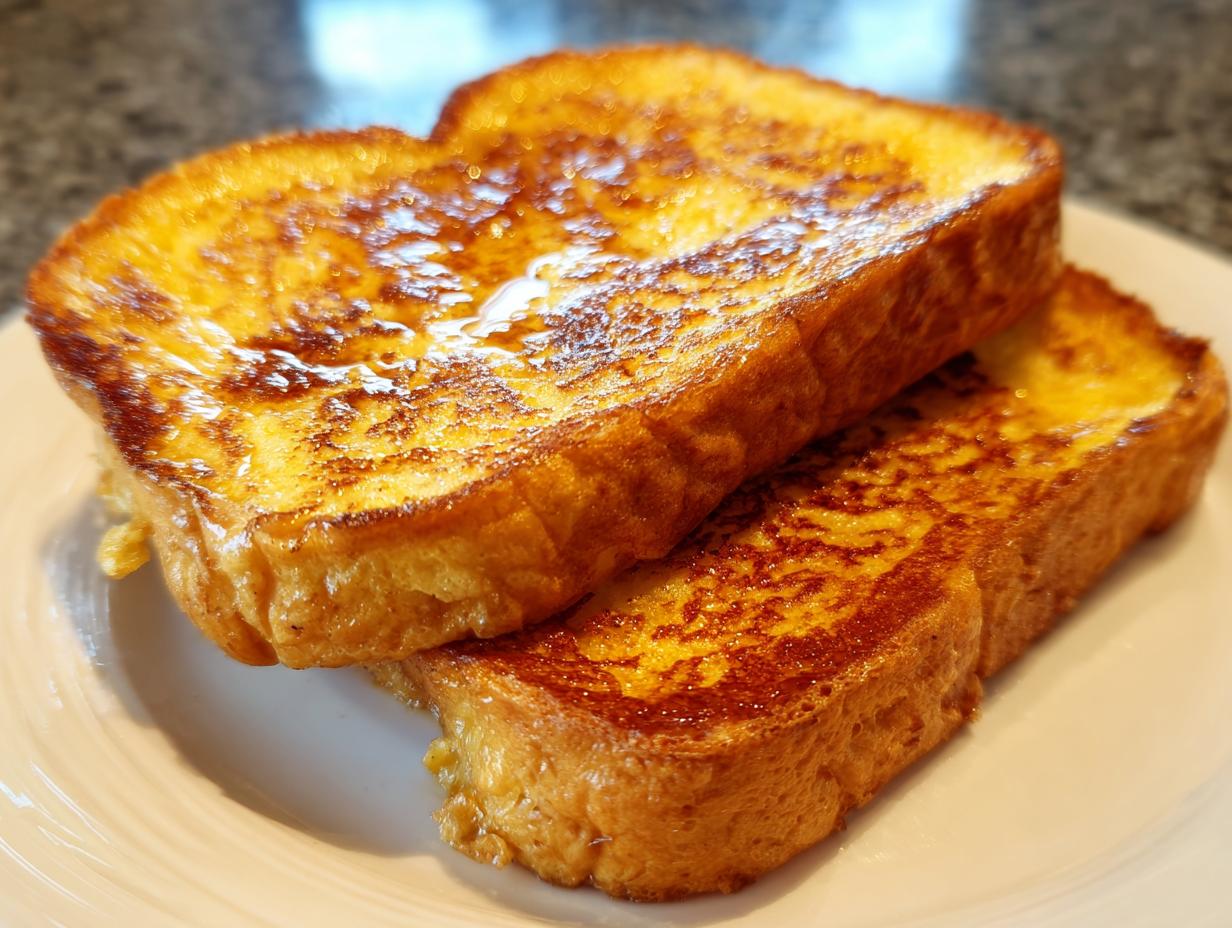
It’s funny how the simplest things often hide the biggest secrets, right? For years, I chased that elusive perfect breakfast, the kind where every slice of french toast has a rich, custardy center that melts in your mouth, hugged by edges that are just perfectly golden brown and crisp. I’m Michael, and here at Delish Symphony, we’re about stripping away the pressure and getting straight to that satisfying flavor.
Forget soggy bread or burnt exteriors. After countless mornings experimenting in my own kitchen, balancing milk, sugar, and spice, I figured out the harmony needed for incredible results. This isn’t restaurant magic; this is home cook expertise dedicated to making your mornings truly special. Trust me, this classic method is the foundation for every great brunch you’ll ever serve.
- Why This Classic French Toast Recipe Works Every Time
- Ingredients for the Best French Toast Recipe
- How to Prepare Foolproof Classic French Toast
- French Toast Tips and Tricks for Weekend Brunch Recipes
- Variations on Classic French Toast: Stuffed French Toast and Casseroles
- Serving Suggestions for Your Homemade French Toast
- Storage & Reheating Instructions for Leftover French Toast
- Frequently Asked Questions About Making French Toast
- Estimated Nutritional Data for Classic French Toast
- Share Your Simple Breakfast Comfort Food Creations
Why This Classic French Toast Recipe Works Every Time
It sounds simple, I know, but the success of this recipe really comes down to nailing two major elements: texture and temperature. If you get these right, you’re going to serve up the absolute best experience. I’ve tried everything from using too much egg to cranking the heat way up, and those experiments taught me exactly what works for that ideal golden brown breakfast. I’ve made many things in my kitchen, including things like my French Onion Beef Over Rice, but texture is always the shared focus.
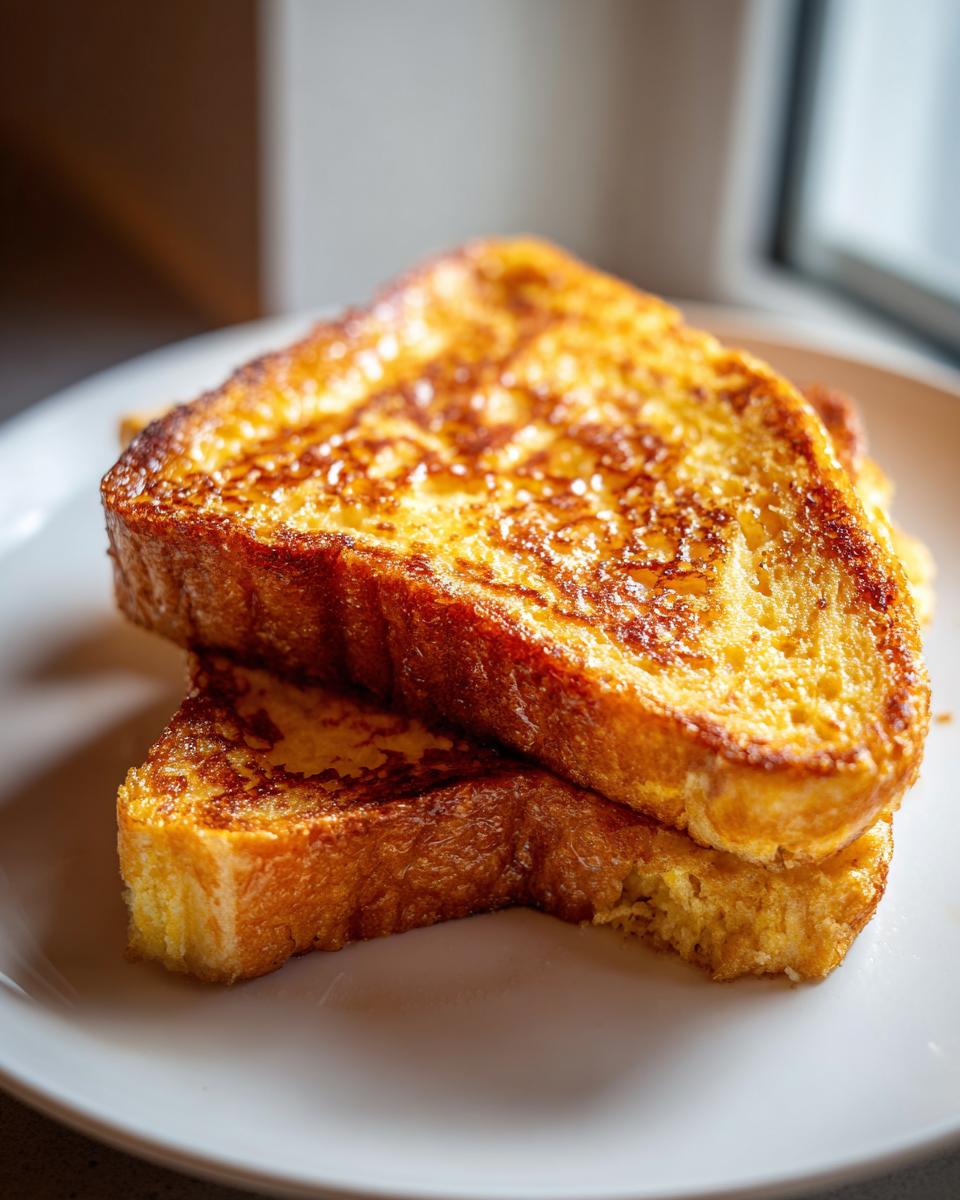
- The perfect ratio of milk to eggs creates a soak that penetrates the bread beautifully.
- Constant management of the griddle heat prevents the outside from burning before the center cooks.
- Using slightly older bread ensures it absorbs the liquid richness instead of just dissolving into it.
Achieving the Perfect Custardy Center French Toast
Listen, the secret sauce here is that richness we build into the custard. We use whole milk or half-and-half because we need that fat content. Fat equals tenderness! When you get the ratio of rich dairy to the eggs just right, the inside of the bread bakes up tender and almost pudding-like. That’s the custardy center French toast you’re looking for, and it’s vital for a rich bite.
Tips for Golden Brown Breakfast Edges with Your French Toast
You want that beautiful, crispy edge without any bitterness, which means heat control is everything. You need medium heat—no higher! If the pan is too hot, you get dark spots instantly, leaving the inside raw. Melting butter right before dropping the slice gives you that lovely, nutty flavor and that gorgeous French Toast golden color. Don’t rush it; let the butter foam, then lay that bread right down.
Ingredients for the Best French Toast Recipe
Okay, let’s talk about what you need laid out on the counter. Getting the right stuff together is half the battle, especially when aiming for that truly superior french toast experience. We aren’t doing anything fancy here, just focusing on quality foundations to make those simple ingredients sing. Make sure you have everything ready before you even think about turning on the griddle!
Here is the lineup:
- 8 thick slices of Challah or Brioche bread (slightly stale is best)
- 4 large eggs
- 1 cup whole milk or half-and-half
- 1 teaspoon vanilla extract
- 1/2 teaspoon ground cinnamon
- 1/4 teaspoon ground nutmeg
- 1 tablespoon granulated sugar
- Pinch of salt
- 2 tablespoons unsalted butter, for the griddle
Selecting the Right Bread for Fluffy French Toast
If you take one thing away from this, let it be this: the bread choice is non-negotiable if you want something truly fluffy french toast that isn’t falling apart. You need Challah or Brioche because they are sturdy, rich, and have that gorgeous tight crumb structure already. But the real trick? Don’t use fresh bread! Let your slices sit out for a day. Stale bread is thirsty; fresh bread just gets soggy when you try to soak it in that rich custard mix. Stale slices absorb flavor better so you get that perfect soak without structural collapse.
How to Prepare Foolproof Classic French Toast
Now that we have our incredible ingredients ready, let’s mix them up and get cooking! This process is fast, which is why this is one of my go-to easy breakfast ideas for busy mornings that still feel like a treat. Just follow these steps precisely, and you’ll have the best French toast landing on your plate. Seriously, pay attention to the soaking time; it’s a game-changer.
Mixing the Perfect French Toast Custard Base
First things first: grab that shallow dish. You’re going to gently whisk together the eggs, milk (or half-and-half if you went rich!), vanilla, cinnamon, nutmeg, sugar, and that tiny pinch of salt. Whisk until everything is totally combined—you don’t want any streaks of egg white hanging around, as that can lead to unevenly cooked spots. This is our star right here, the foundation of the custardy center!
Griddle Technique for Perfect French Toast Cooking
Get your griddle hot over medium heat. I mean medium—if it’s sizzling violently, turn it down! Add half of your butter and let it melt until it foams up nicely. Now, dip your bread slice in the mixture. You want about 15 to 20 seconds on each side. Don’t drown it! We want it saturated, not turning into mush. Place the wet bread onto that hot buttered surface. Cook it for about three to four minutes per side until you get those beautiful golden brown breakfast edges. Adjust the heat as you go! Once slices are done, here’s my tip: I keep them warm on a wire rack in a 200°F oven while I finish the batch. This ensures everyone eats piping hot french toast.
French Toast Tips and Tricks for Weekend Brunch Recipes
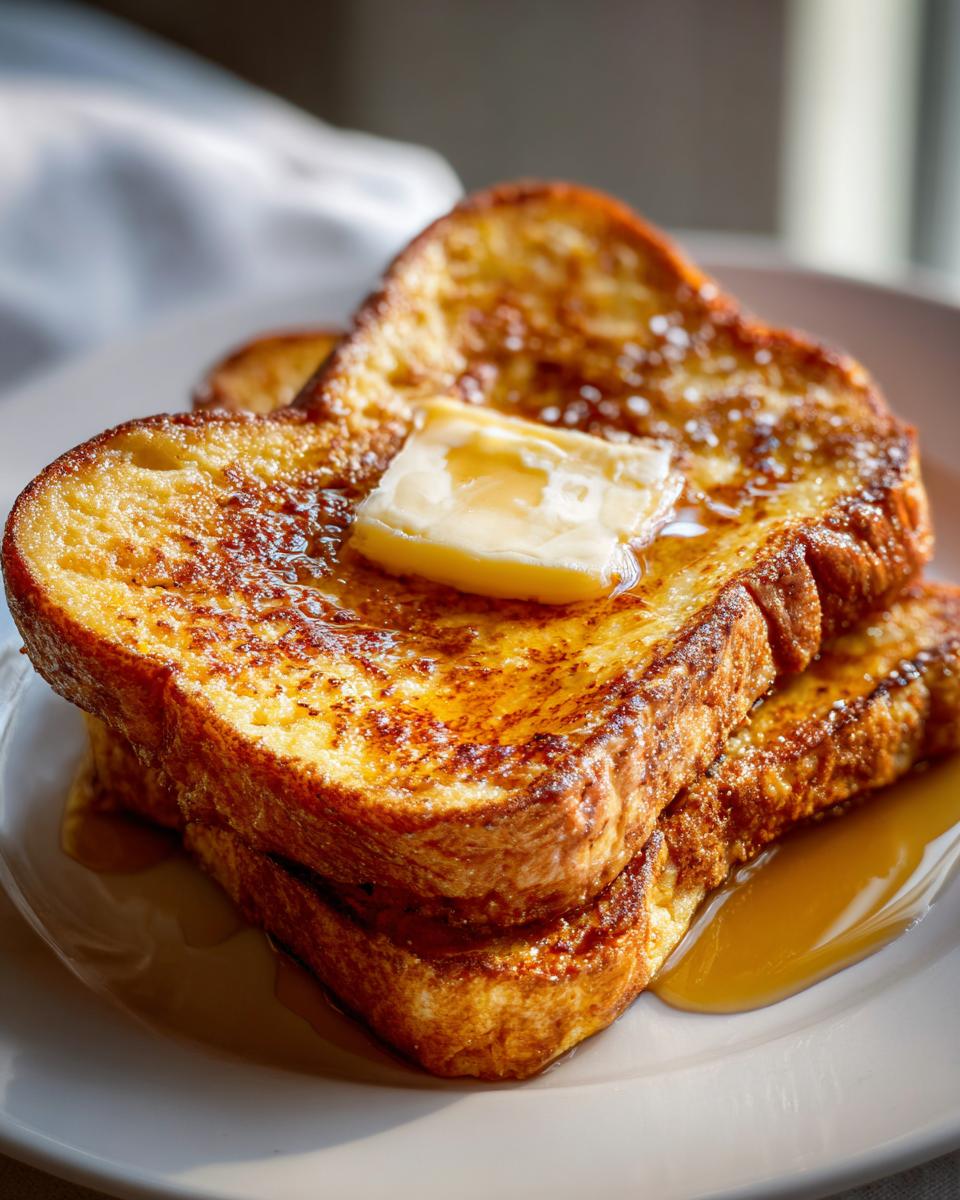
When you’re making this for a special occasion like a big weekend brunch, those little extra steps really push your French toast from “good” to “absolutely unforgettable.” I’ve gathered all the secrets I found tucked away in recipe cards and from watching friends cook for crowds. These tricks make sure your effort pays off, especially when you need to manage a larger batch for company.
The first big tip I want you to remember is all about the bread. If you can, use bread that’s a day or two old. It feels counterintuitive, I know! But fresh bread just can’t handle the soak time we need for that rich custard. Older bread soaks up all the flavor without instantly turning floppy. Just like I always say, efficiency shows up in the prep, which is why I love sharing my thoughts on weeknight dinner recipes because the planning matters!
Also, if you want flavor that punches above its weight, you can swap half of that milk for heavy cream. Hello, richness! A quick stop over at this recipe showed me how many people skip that simple dairy upgrade, but it’s mandatory for a truly custardy center when hosting.
Variations on Classic French Toast: Stuffed French Toast and Casseroles
While this classic French toast recipe is my favorite simple comfort food, sometimes you need to go big, right? Especially when planning for an Overnight French Toast Casserole the night before, or when you want to wow guests with a truly decadent brunch.
Adapting this base is really easy. For an amazing Stuffed French Toast, I usually prepare two slices of bread, spread a thick layer of cream cheese filling on one—maybe adding a little lemon zest—and then sandwich it shut before dipping it in the custard. You treat that sandwich like one single thick slice!
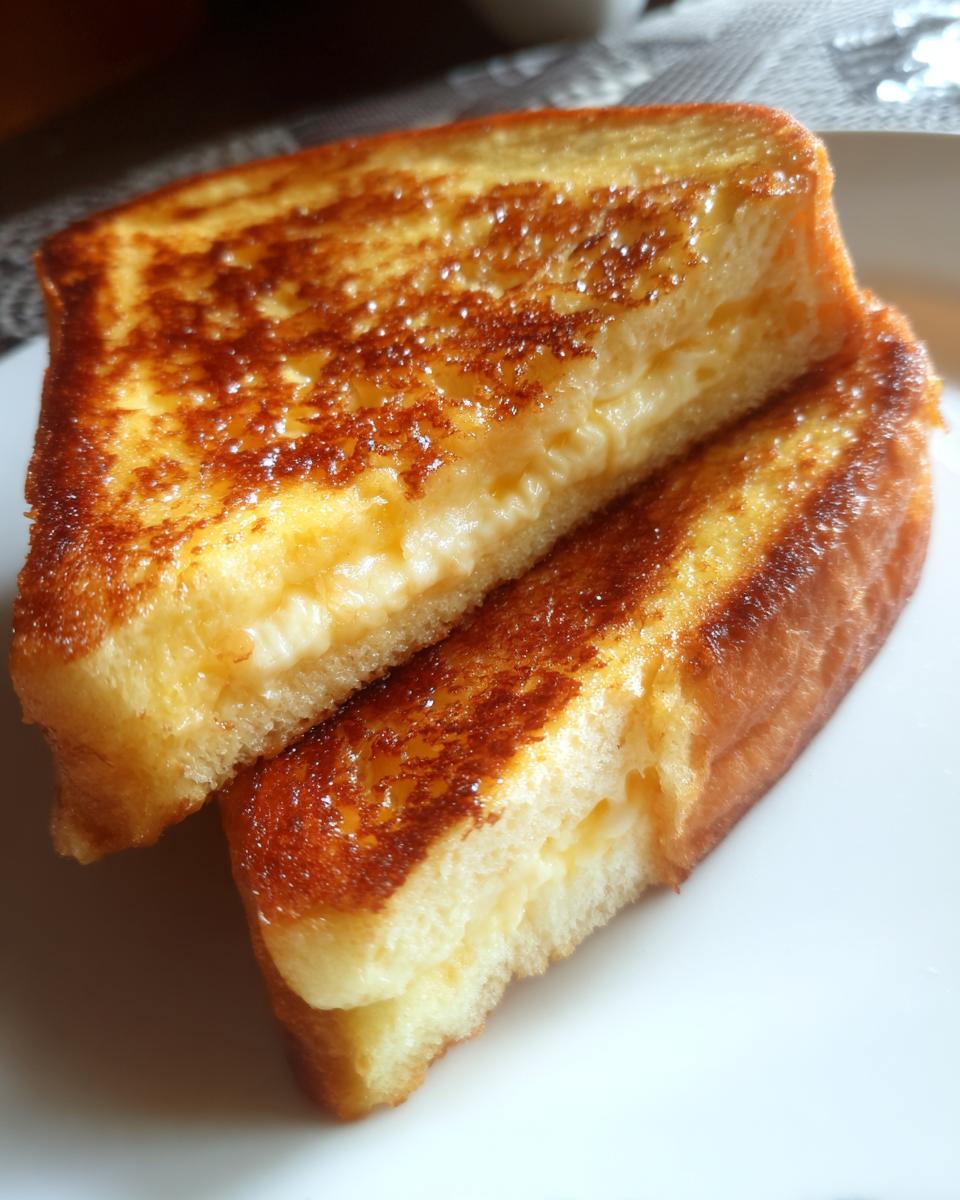
If you’re prepping ahead, think about making this a full make ahead breakfast by turning it into a bake, just like my cinnamon roll casserole. You just slice the bread, layer it in a dish, pour the custard over, and let it chill overnight. That recipe is perfect for feeding a crowd!
If you’re feeling extra fancy and want that decadent bite, checking out tutorials for the Cream Cheese Stuffed French Toast is definitely worth your time for a spectacular centerpiece dish.
Serving Suggestions for Your Homemade French Toast
Once that beautiful, golden stack of french toast is right there waiting for you, the fun really begins! I used to think just pouring plain maple syrup on was enough, but once you start experimenting with toppings, you unlock a whole new level of simple breakfast comfort food.
For the absolute purists, you can’t beat high-quality maple syrup—you know, the real stuff, not the corn syrup imitation. I heat mine up slightly in the microwave first because cold syrup on hot toast is just a mismatch in my book! A light dusting of powdered sugar right before serving adds that lovely, finished look, almost like snow on a perfect morning.
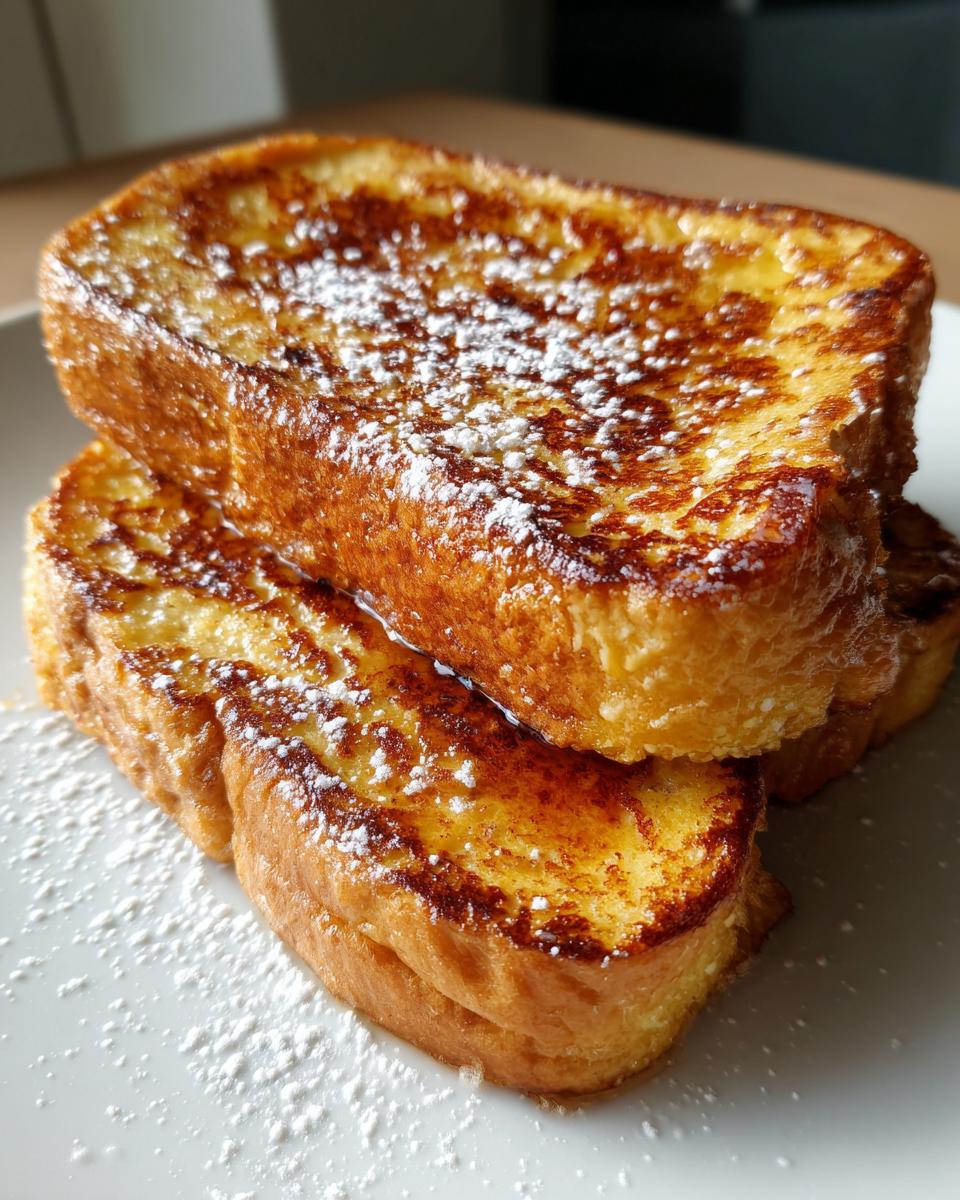
If you want to elevate this for a really special weekend brunch, think about color and tartness to cut through that rich custard center. Fresh berries are my favorite pairing—strawberries sliced thin or a handful of tart raspberries contrast perfectly with the sweetness of the cinnamon and nutmeg.
Another trick I’ve picked up is serving it alongside something a little homemade. Think about pairing it with a dollop of my homemade applesauce. The warm, slightly chunky texture is amazing next to the crispy outside of the toast. It just feels more thoughtful than store-bought whipped cream, though a homemade whipped cream with a hint of vanilla sure is a decadent option too!
Storage & Reheating Instructions for Leftover French Toast
Life happens, and sometimes you just can’t eat eight slices of perfect French toast in one sitting! That’s okay because this recipe holds up beautifully, meeting that need for a great make ahead breakfast option.
Once the slices have cooled completely—this is important so they don’t steam in the container—layer them between sheets of parchment paper in an airtight container. They keep well in the fridge for about three days. To reheat, I skip the microwave! Pop them straight onto a hot griddle or into a toaster oven set to medium heat. This gives you that golden brown exterior back without making them chewy or sad. It truly revives them!
Frequently Asked Questions About Making French Toast
I hear from so many of you asking about tweaks and swaps for this recipe, which is great because it shows you’re really taking this homemade french toast to heart! I always want to make sure you get that perfect result, no matter what your pantry looks like. Here are a few of the top questions I get asked most often about achieving brunch perfection.
Can I use regular sandwich bread instead of Challah for my French Toast?
Oh, you totally can, but you have to be so careful with the soak time! Regular sandwich bread is much thinner and less sturdy than Challah or Brioche French Toast. If you try to soak it for the same 20 seconds we give the thick slices, it will turn to mush. I suggest dipping it quickly—maybe just 5 to 8 seconds per side. You won’t get quite that deep, custardy center, but if you need a quick morning meal, it works in a pinch!
How do I make this recipe into an Overnight French Toast Casserole?
This is my absolute favorite way to tackle holiday mornings! For an Overnight French Toast Casserole, you skip the griddle entirely. Cube up your bread (using that thick Challah is still best!) and arrange it in a greased baking dish. Then, just pour that exact same custard mixture right over the top. Cover it tightly and stick it in the fridge for at least six hours, but overnight is best for that full soak. Bake it the next morning, and you get a massive pan of make ahead breakfast goodness!
If you want even more ideas for getting breakfast on the table fast without sacrificing flavor—maybe mixing in some more protein—you should check out my thoughts on high-protein waffles sometime!
Estimated Nutritional Data for Classic French Toast
Please remember that these numbers are an estimate based on the exact ingredients listed in the recipe. We calculate these figures assuming you’re using whole milk and typical commercial bread types. Since we aren’t adding any toppings like syrup or butter at the table here, the final count when you eat it will naturally be higher!
- Serving Size: 2 slices
- Calories: 350
- Sugar: 12g
- Sodium: 380mg
- Fat: 18g
- Saturated Fat: 8g
- Unsaturated Fat: 10g
- Trans Fat: 0g
- Carbohydrates: 35g
- Fiber: 2g
- Protein: 14g
- Cholesterol: 180mg
Share Your Simple Breakfast Comfort Food Creations
Now that you know the secrets to creating that flawless, custardy french toast, I genuinely want to know how it went for you! Cooking is always a conversation, and coming from my background in building systems, I love getting feedback on how the harmony comes together in your kitchen.
Did you stick with the Challah, or did you try swapping it? Did you manage to keep the edges perfectly golden brown without burning anything? Don’t be shy! Head down to the comments section below and let me know what you thought of this Simple Breakfast Comfort Food. Leaving a rating helps other home cooks find this magic, too.
If you snapped a picture of your stack—maybe drizzled with syrup or piled high with berries—please tag me on social media! Seeing your beautiful results and hearing that you successfully made a decadent brunch using these guidelines is what Delish Symphony is all about. I’m always here to help if you run into any snags or have questions about technique. You can always reach out through my contact page. Happy cooking, everyone!
PrintThe Ultimate Guide to Foolproof Classic French Toast

Learn the simple secrets to making the best French toast with a custardy center and golden, crisp edges every time. This recipe is perfect for a weekend brunch or easy family breakfast.
- Prep Time: 10 min
- Cook Time: 15 min
- Total Time: 25 min
- Yield: 4 servings 1x
- Category: Breakfast
- Method: Griddling
- Cuisine: American
- Diet: Vegetarian
Ingredients
- 8 thick slices of Challah or Brioche bread (slightly stale is best)
- 4 large eggs
- 1 cup whole milk or half-and-half
- 1 teaspoon vanilla extract
- 1/2 teaspoon ground cinnamon
- 1/4 teaspoon ground nutmeg
- 1 tablespoon granulated sugar
- Pinch of salt
- 2 tablespoons unsalted butter, for the griddle
Instructions
- In a shallow dish, whisk together the eggs, milk, vanilla extract, cinnamon, nutmeg, sugar, and salt until fully combined. This creates your rich custard base.
- Heat a large griddle or non-stick skillet over medium heat. Add half of the butter and let it melt until it foams slightly.
- Dip one slice of bread into the egg mixture, allowing it to soak for about 15 to 20 seconds per side. You want the bread saturated but not falling apart.
- Place the soaked bread onto the hot griddle. Cook for 3 to 4 minutes per side until the edges are golden brown and the center is set. Adjust the heat if the outside browns too quickly before the inside cooks.
- Repeat the process with the remaining bread slices, adding more butter to the griddle as needed between batches.
- Serve your golden brown breakfast immediately with your preferred toppings.
Notes
- For the best texture, use bread that is one or two days old. Stale bread absorbs the custard better without becoming soggy.
- If you want a richer flavor, substitute half of the milk with heavy cream. This helps achieve a more custardy center.
- To keep cooked French toast warm while you finish the batch, place finished slices on a wire rack set over a baking sheet in a 200°F oven.
Nutrition
- Serving Size: 2 slices
- Calories: 350
- Sugar: 12
- Sodium: 380
- Fat: 18
- Saturated Fat: 8
- Unsaturated Fat: 10
- Trans Fat: 0
- Carbohydrates: 35
- Fiber: 2
- Protein: 14
- Cholesterol: 180