

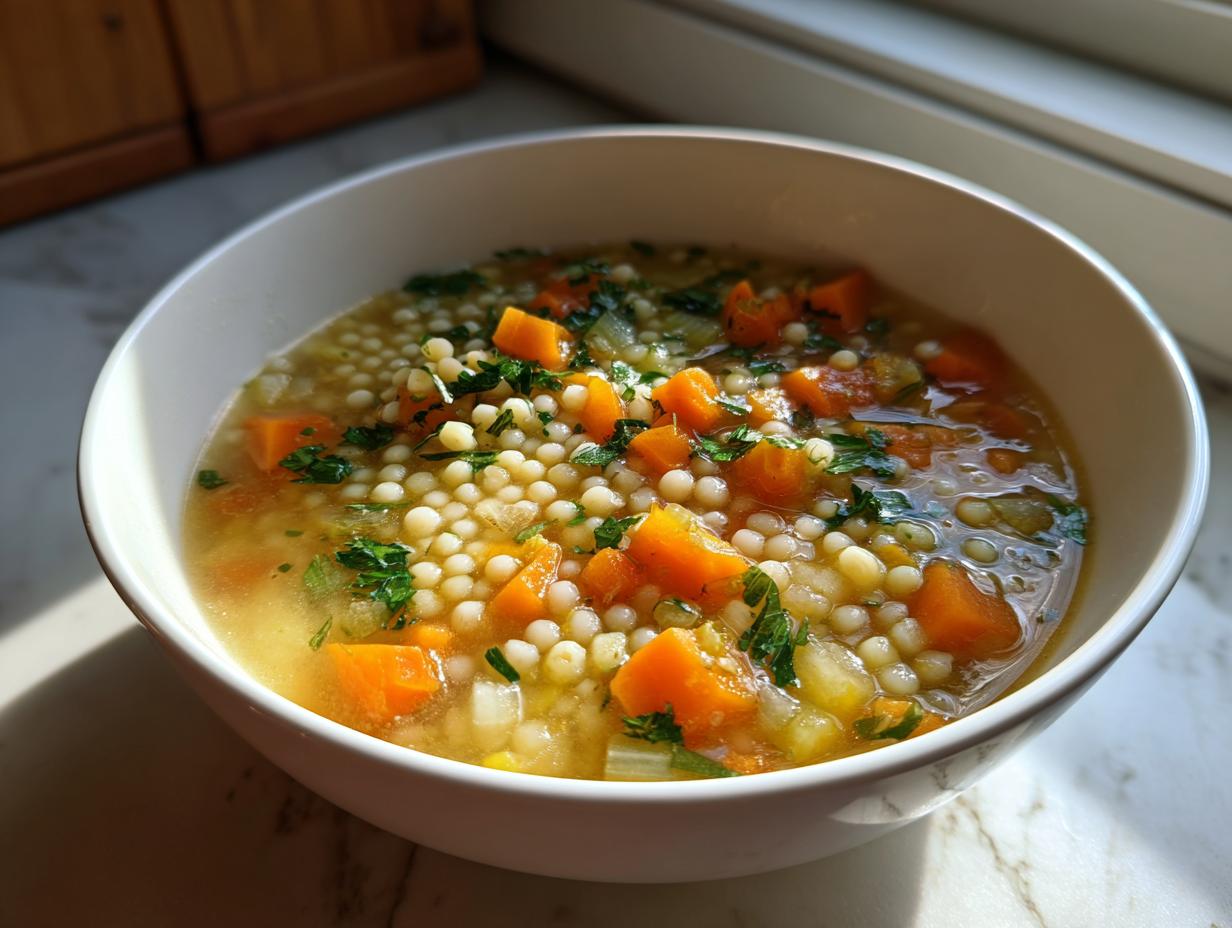
Everyone knows that feeling, right? When the sniffles hit, or you’re just run down from a long week, you don’t need anything heavy. You need a hug in a bowl! That’s where this incredible Italian penicillin soup swoops in. It isn’t some complicated fancy dish; it’s the ultimate remedy for feeling unwell because it’s wonderfully simple, super soothing, and so gentle on your stomach.
It has those beautiful, rustic Italian roots where simple ingredients sing the loudest. Here at Delish Symphony, I’m passing along the methods I’ve refined in my own kitchen—Michael’s way—to make sure you get the most flavor with the least amount of fuss when you really need it.
- Why This Italian Penicillin Soup is Your Go-To Healing Soup Recipes
- Gathering Ingredients for Your Penicillin Soup
- Step-by-Step Instructions for the Ultimate Penicillin Soup
- Expert Tips for Perfecting Your Penicillin Soup
- Making a Vegetarian Penicillin Soup Version
- Serving Suggestions for This Warm Soup for Chilly Nights
- Storage & Reheating Instructions for Penicillin Soup
- Frequently Asked Questions About Penicillin Soup
- Nutritional Information for This Simple One Pot Soup
- Share Your Comfort Food for Sickness Experience
Why This Italian Penicillin Soup is Your Go-To Healing Soup Recipes
When you’re cooking for someone who isn’t feeling 100%, you need reliability. This simple formula for our take on penicillin soup is exactly why it ends up on the menu so often when we need true comfort. It hits all the right notes without asking too much of the cook or the patient.
- It’s Truly Fast: Everything comes together in under an hour. When you’re feeling rough, waiting around for dinner isn’t an option, and this recipe respects that time.
- Gentle & Nourishing: It’s built on a clean broth base, packed with soft vegetables, and uses tiny pasta, making it incredibly easy on the stomach. It’s the perfect example of the healing soup recipes we all need in our back pocket.
- Flavorful Enough to Enjoy: It’s not bland medicine! The fresh garlic, carrots, and that essential hit of lemon make sure you actually *want* to eat your dinner, which is half the battle when you’re under the weather.
Quick Healing Dinner Ready in Under 40 Minutes
Seriously, look at the times: 15 minutes prep and 25 minutes cook time. That’s a 40-minute total! That means you can decide you need soup, be chopping the mirepoix before you even finish your tea, and have a steaming bowl ready before you get too bored on the couch. It’s the best quick healing dinner you can whip up without a second thought.
Light Soup When Sick and Easy Digestible Meals
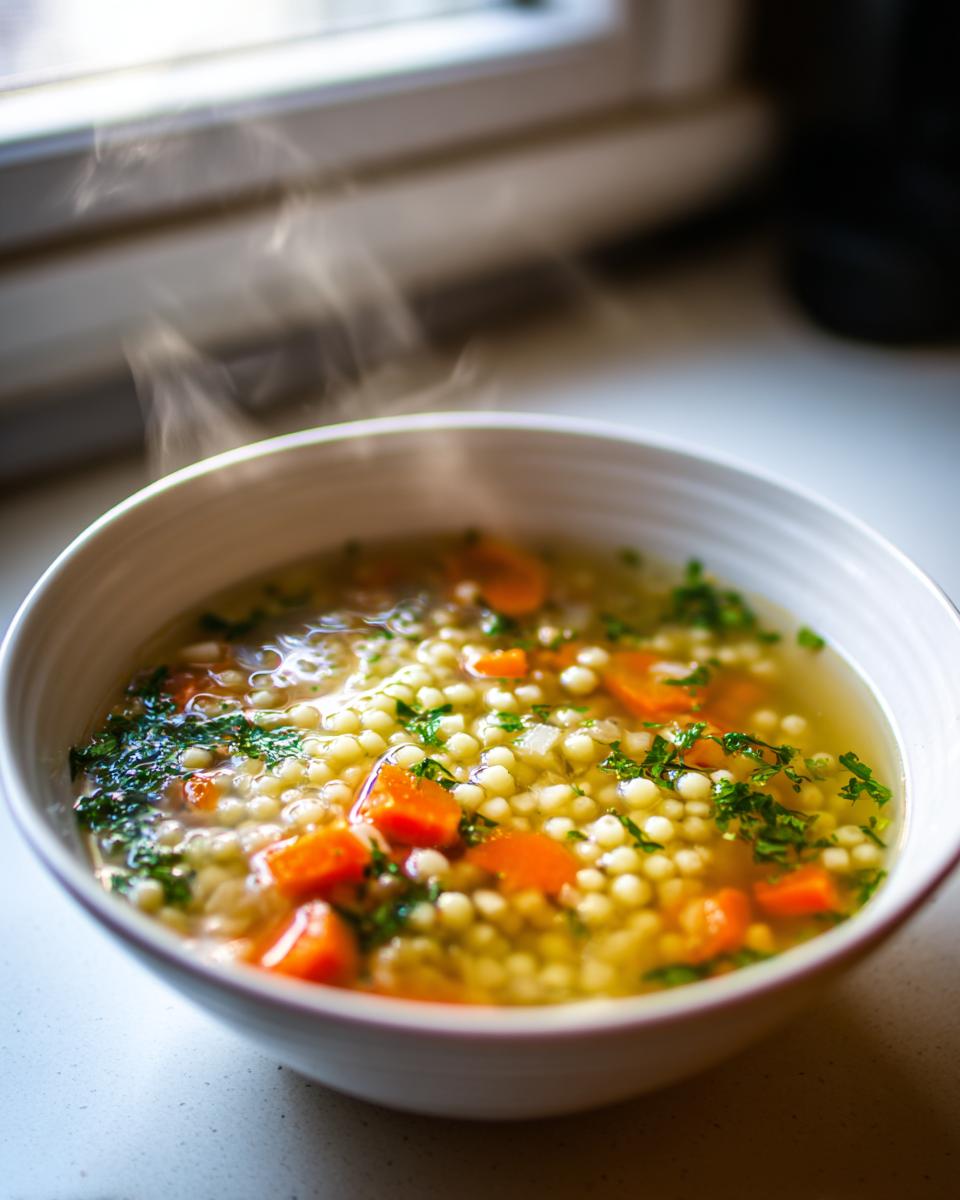
The whole point of this soup is to comfort, not weigh you down. We skip heavy cream or thickeners here. The broth keeps you hydrated, and the little pastina cooks down to be wonderfully soft. It quickly turns into the perfect light soup when sick. Because everything is soft and well-simmered, it becomes one of those wonderful, easy digestible meals that your body can actually use for energy.
And that lemon juice at the end? That’s the magic! It wakes everything up without adding any heaviness. It’s brightness when you need it most.
Gathering Ingredients for Your Penicillin Soup
Alright, let’s get this show on the road! Since we are making something meant to heal, the better your starting materials feel, the better the final result is going to be. Remember what I always say: for a good simple soup, your broth is everything. You’re looking for that richness, that deep flavor that comes from quality stock—think homemade broth comfort, even if you bought it in a box!
This recipe is designed to feed four hungry people, and honestly, you’re looking at only about 15 minutes of actual prep work before the magic simmer starts. You’ll have a delicious, light, soul-warming soup ready to go in just 40 minutes total.
Here is what you need to pull together for our perfect penicillin soup:
- 6 cups of that beautiful broth—I’ve listed chicken, but we have a vegetarian way around that, too!
- 1 tablespoon of olive oil, just to get things started.
- 1 medium yellow onion that needs to be finely chopped.
- 2 carrots, peeled and patiently diced.
- 2 celery stalks, diced right alongside those carrots.
- 3 cloves of garlic, minced—don’t skimp here, we need the zing!
- 1/2 cup of pastina or any tiny soup pasta you like.
- 1/4 cup of fresh lemon juice—this is mandatory for that wake-up call flavor.
- 1/4 cup of fresh parsley, chopped up nice and fine.
- Just plain old salt and pepper to taste.
- If you want something heartier, toss in 1 cup of shredded cooked chicken!
Ingredient Notes and Substitutions for Penicillin Soup
Okay, let’s talk swaps, because I know everyone’s pantry looks a little different when they aren’t feeling 100%. If you’re making a vegetarian penicillin soup, please use the highest quality vegetable broth you can find. Since we aren’t using chicken, that broth does all the heavy lifting flavor-wise, so buy the fancy stuff!
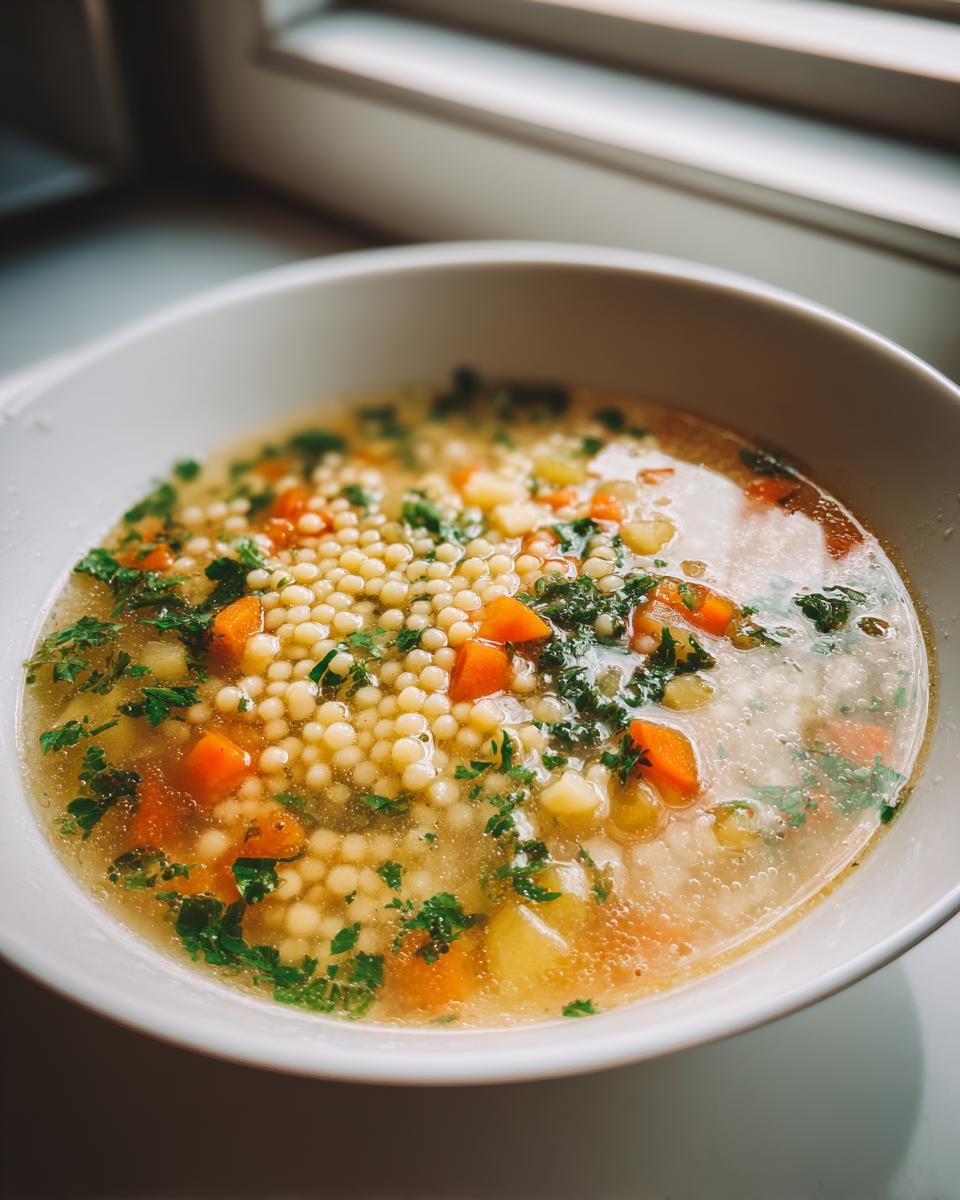
Now, for the star tiny pasta: pastina. It is traditional because it cooks so fast and gets wonderfully soft without turning to mush. If you don’t have it, acini di pepe or even orzo will work in a pinch, but keep an eye on them, they cook quicker than bigger shapes.
And that chicken? If you’re using leftovers from a roast chicken, shred them small—they just need to heat through in the broth, not cook for ages. If you’re skipping the chicken entirely, that’s totally fine; you end up with an even lighter, clearer broth, which is great for when you just need something unbelievably gentle.
Step-by-Step Instructions for the Ultimate Penicillin Soup
If you’ve followed along this far, you know we are aiming for the best bowl of penicillin soup imaginable. The beauty of this dish is that the steps are straightforward and mostly passive, meaning you just let the stove do the work! Just follow this sequence, and you’ll have that soul-warming dinner ready in no time.
Sautéing Aromatics for a Soothing Broth Recipes Base
First things first, we need to start building that flavor base. Get your olive oil heating up in a big pot or a Dutch oven over medium heat. Don’t let it smoke, just get it warm.
Toss in your onion, carrots, and celery—that classic trio that builds the backbone of all great soothing broth recipes. You need to cook these down until they start to soften up nicely. I usually wait about 5 to 7 minutes here. You don’t want them brown, just tender enough that they are starting to yield.
Next up, the garlic! Toss in your minced garlic. This part is quick; you only cook it for about 60 seconds—no longer! If that little bit of garlic burns, you ruin the whole pot, so watch it like a hawk. You just want it fragrant, not crispy.
Simmering and Cooking the Pastina Soup for Colds
Time to bring in the liquid magic. Pour in all 6 cups of your broth. Bring that right up to a rolling boil, and then immediately drop the heat down so it’s just simmering gently. Let those veggies swim and get happy for about 10 minutes to let all those flavors marry.
Once those carrots aren’t rock hard anymore, it’s time for the pasta. Stir in that 1/2 cup of pastina. This is key for making a wonderful pastina soup for colds because the tiny noodles cook so fast and soften in the broth! If you opted to throw in cooked chicken, now is the time to add it so it heats all the way through while the pasta finishes.
Cook the pastina according to its package directions—usually around 6 to 8 minutes. Seriously, check it early! Nobody wants mushy soup.
Finishing Touches: The Garlic Lemon Soup Revival
This is the moment when your soup goes from good to phenomenal, so pay attention! Once the pasta is done, you absolutely must take the entire pot OFF the heat source. We are not cooking the lemon!
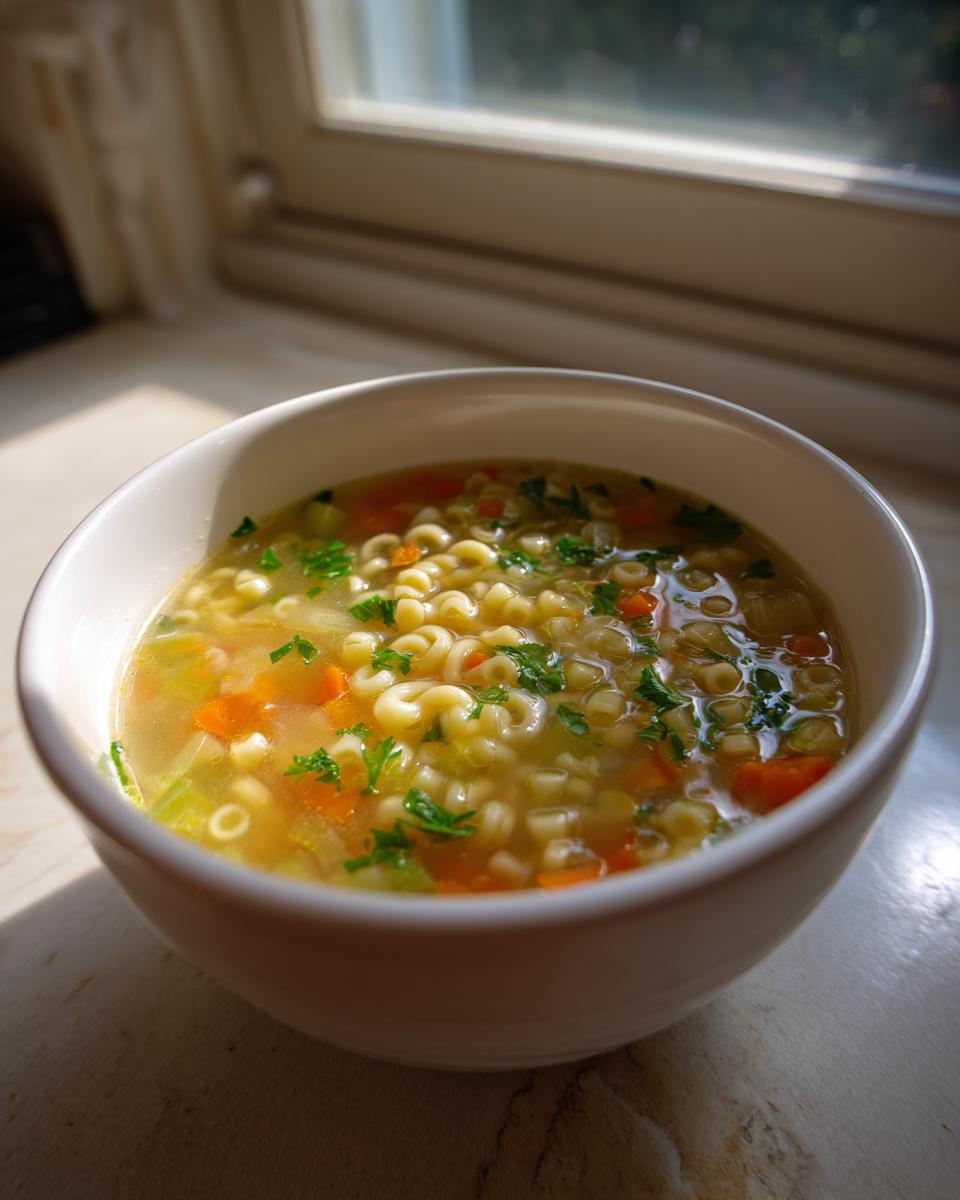
Stir in your generous splash of fresh lemon juice and all that lovely chopped parsley. The heat retained in the soup is enough to brighten the parsley, but the lemon juice stays tangy and fresh, giving us that lovely garlic lemon soup revival effect. Taste it now! Add salt and pepper until it tastes perfect to you. Remember, seasoning happens at the very end.
Ladle it into bowls straight away while it is piping hot. Ahhh, relief in a spoon!
Expert Tips for Perfecting Your Penicillin Soup
So, you’ve nailed the cooking process, but you want that extra ‘wow’ factor? That’s where I step in with a few things I’ve learned after making this soup more times than I can count in my own kitchen. Making this penicillin soup isn’t just about following steps; it’s about adding little touches that show you care about the final flavor, even when you’re busy or feeling low yourself.
This is the part where we move past just making a meal and start creating something truly restorative. Think of these as the tricks I use to elevate a simple easy chicken soup recipe into something spectacular.
Here are my top little secrets for making this the most satisfying bowl possible:
- Building the Broth Flavor: If you’re using store-bought broth and it tastes a little thin, don’t panic! Before you even start sautéing, try simmering your carrots and celery in just a cup of water until they are soft, then drain that liquid off into your main pot of broth. That liquid is now deeply flavored by the vegetables—it’s a shortcut to that rich, homemade broth comfort taste without having to simmer bones all day.
- The Uniform Chop: I stress chopping your onion, carrots, and celery evenly, but I want to tell you *why*. When they are the same size, they cook at the exact same rate. This means you don’t end up with crunchy carrot bits hiding next to mushy celery pieces. Uniformity in your chop equals uniformity in texture in every spoonful!
- The Parsley Hack: I know I said to add parsley at the end, and you still should for brightness. But grab a tiny pinch of dried parsley or a tiny dash of dried thyme and toss it in *with* the broth right before you simmer it. The fresh parsley gives you the finish, and the dried herb gives you a subtle background note that deepens the overall profile. You can find some fun flavor layering ideas, like how I treat my homemade applesauce, in other recipes too!
These small steps ensure that even when you’re relying on pantry staples, you’re serving up something deeply flavorful and truly worthy of the name comfort food for sickness.
Making a Vegetarian Penicillin Soup Version
I totally get it—sometimes you need soup, but you aren’t looking for the chicken version of this classic. Making a wonderful vegetarian penicillin soup is absolutely no problem here, but you do need to be a little more intentional with your starting ingredients. Since we are skipping the chicken and using vegetable broth, that broth becomes the absolute king of our flavor profile.
If you’re aiming for maximum comfort and depth without meat, spend a little extra on the container of vegetable broth. You want one that has deeply roasted vegetables listed in the ingredients, not just plain salty vegetable water. A nice mushroom or roasted vegetable stock can really substitute for the savory depth that chicken usually brings to the table.
The rest of the recipe stays exactly the same: sauté your aromatics, simmer your veggies until tender, add the pastina, and finish with that crucial, bright lemon juice. The lighter color is totally normal for the vegetarian take, but the flavor will still be spot-on cozy!
This choice keeps your meal completely light, aligns with the easy digestible meals requirement, and still delivers that warm hug feeling whenever you need a recipe for feeling better that skips the meat entirely.
Serving Suggestions for This Warm Soup for Chilly Nights
Now that you have a steaming, perfect pot of penicillin soup ready to go, the final (and perhaps most fun) part is deciding what to serve alongside it. Since this soup is designed to be light and restorative, we don’t want to weigh you down. It’s perfect for a quiet night in or whenever you need a wonderfully warm soup for chilly nights, but sometimes you just need something substantial to dip in that beautiful broth!
I’ve found that keeping the side simple is best. Heavily dressed salads or rich sides often feel like too much when you’re feeling under the weather. This soup loves to be paired with something crusty that can soak up every last drop of that lemon-infused broth we worked so hard on.
Here are my favorite things to serve alongside this ultimate comfort bowl:
- Crusty Artisan Bread: You absolutely need something for dipping! A simple, good quality loaf with a hard crust is perfect. Tear off chunks and watch how fast they absorb the broth. If you want to lean into the savory flavors, check out my recipe for garlic naan bread recipe—it turns this simple soup into a feast!
- A Pinch of Parmesan: Don’t overdo it! Just a sprinkle of freshly grated Parmesan cheese right on top adds a salty, nutty depth that complements the lemon beautifully. It’s a quick Italian touch that tastes amazing.
- The Simplest Green Side: If you need a little freshness, keep the side salad incredibly minimal. Think a few leaves of good butter lettuce with just a drizzle of olive oil and a tiny squeeze of lemon. It adds crunch and nutrients without being heavy at all.
The goal is always to keep the focus on that wonderfully flavorful, easy-to-digest soup. These accompaniments just make the whole ritual feel a bit more special, even if you’re enjoying it tucked under blankets!
Storage & Reheating Instructions for Penicillin Soup
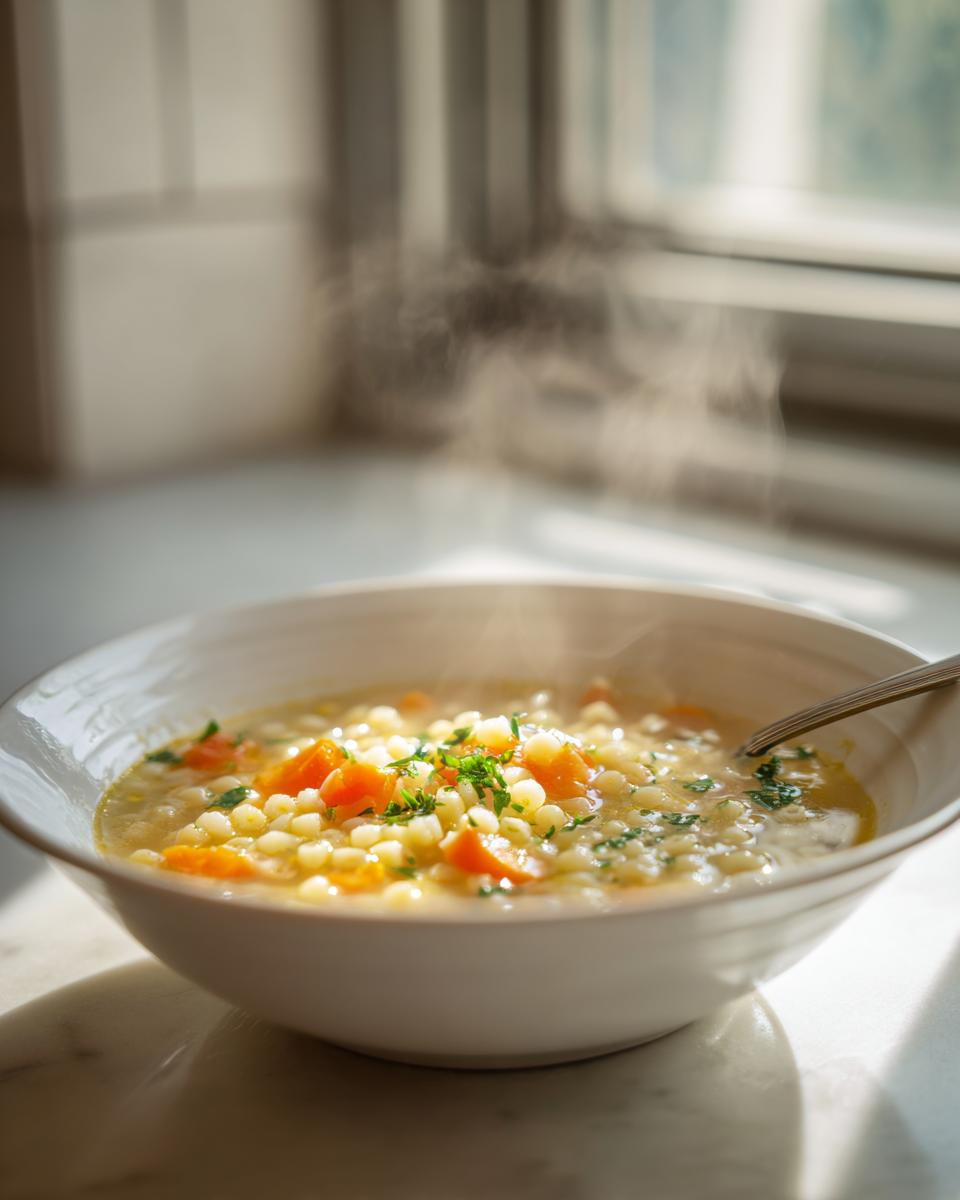
Even when you start feeling better, you’ll want leftovers of this penicillin soup! It tastes just as comforting the next day, maybe even more so as the flavors have time to really settle down together. Because this is such a simple, light soup, storage is usually straightforward, but we have to watch out for that little pasta!
Based on what I’ve found works best in my kitchen, you can keep this soup refrigerated for about 3 to 4 days. Make sure you cool it down relatively quickly after you finish eating before you seal it up. Do this in non-chilled containers, or it steams up inside and makes things soggy too fast.
If you need to keep it longer, good news—this recipe freezes like a dream! The chef’s note said it keeps for up to three months, and I agree with that 100 percent. Transfer the cooled soup into an airtight container once it’s completely cold. Remember, when freezing, leave about an inch of space at the top of your container because liquids expand when they turn to ice.
Reheating Without Mushy Pasta
Here is my biggest pro-tip for reheating any soup with small pasta like pastina: you don’t want to reheat the pasta itself too much, or it puffs up and turns into a thick paste. If you are reheating a small portion for lunch the next day, I recommend heating it on the stovetop over low heat and adding a little splash of water or extra broth to thin it back out as it warms up.
If you are reheating a huge frozen batch, the best thing to do is thaw it slowly in the fridge overnight. Then, heat it gently. If the pasta seems too soft after reheating, throw in a handful of fresh, uncooked pastina right at the very end of the reheating process. This gives you nice, fresh bites of pasta mixed in with the softer ones. It’s almost like making it fresh again!
Why Freezing Works So Well for This Comfort Food
I love making a massive batch of this soup specifically for freezing meals. You know those weekends where you just don’t want to cook, or you know a busy week is coming up? Having a few ready containers of your favorite comfort food for sickness recipe in the freezer is like self-care insurance. It’s incredibly fast, and since this soup is already low in fat, it reheats beautifully without separating or getting greasy, unlike some richer soup types.
Just remember that when you reheat from frozen, it will take longer, so plan ahead if you want a recipe for feeling better ready right when you need it!
Frequently Asked Questions About Penicillin Soup
Whenever I share my recipe for this pure comfort in a bowl, people always have the same few questions pop up. It makes total sense! We all want to make sure we get that perfect, soothing bowl ready for ourselves or our family. Don’t worry if things seem tricky; this penicillin soup recipe is actually very forgiving, but here are the concrete answers to your top concerns!
Can I make this a creamier Italian Soup Classics style?
That’s a great question, especially if you’re used to some of the richer Italian soup classics! The beauty of this specific penicillin soup recipe is how light and clear the broth is—it’s the easiest on the stomach when you are sick. If you *really* want a thicker texture, you certainly can! What I do is ladle about two cups of the soup (just veggies and broth, no pasta yet!) into a blender, blend it until it’s perfectly smooth, and then stir that puree back into the pot before adding your pastina.
It definitely leans away from the traditional very clear broth, but it gives you that velvety mouthfeel while still keeping many of those lovely nutrients in there. Just remember, we are leaning into the *light* soup concept here, so go easy on the blending if you can!
What if I don’t have pastina? What other small pasta works?
Trust me, the grocery store runs out of pastina at the weirdest times! If you don’t have it, your goal is to substitute with the smallest possible pasta shape you can find. Tiny pasta cooks fast and softens beautifully into the broth without getting chewy.
The best alternatives, in my opinion, are acini di pepe (which means ‘peppercorns’—they are little tiny spheres!). Orzo is another decent swap, though it’s slightly larger and takes a minute longer to cook. Honestly, even alphabet pasta works if you have little ones who need a distraction! Just make sure you check the cooking time on the package, because these small shapes go from perfect to overcooked really fast.
Is this truly an Italian Nonna Approved Soup?
Oh, I hope so! When I developed this, I focused on exactly what generations of Italian home cooks do: use simple, accessible ingredients to create maximum medicinal and flavorful impact. This isn’t a complicated restaurant soup; it’s the kind of food made with intention when someone needs care. The base of onion, carrot, celery—that’s the holy trinity of Italian home cooking!
So yes, I absolutely think this hits the mark for an Italian Nonna approved soup because its strength comes from its beautiful, humble simplicity. A true Nonna knows that the best flavor comes from perfectly cooked, humble vegetables and good honest methods, not fancy additions. If you keep it light and focus on seasoning with that fresh lemon, you’re cooking just like family!
If you’ve tried this recipe and it brought some comfort your way, please let me know how it turned out in five stars below! It means the world to me when I know these simple dishes are helping someone feel better.
Nutritional Information for This Simple One Pot Soup
Look, I am a home cook, not a nutritionist, so take these numbers with a small grain of salt—but they are super helpful to have on hand, especially when you are trying to keep things light while you recover!
Because this is such a simple one pot soup and relies on light broth and vegetables, it stays remarkably low in calories and fat, which is perfect for when you need something nourishing but easy to digest. I’ve pulled the estimates directly from my ingredient breakdown, figuring this recipe makes about four generous servings—exactly what you need for a good, restorative dinner.
Here is a rough breakdown per serving:
- Serving Size: 1.5 cups
- Calories: 180
- Fat: 5g (Saturated Fat: 1g)
- Carbohydrates: 28g (Fiber: 4g)
- Protein: 7g
- Sugar: 4g
- Sodium: 450mg
Just remember, these are just estimates based on what I use! Your numbers might change a tiny bit depending on the brand of broth you buy or if you decide to add that optional chicken. But overall, you can see this is a fantastic, light option for when you need clean fuel to bounce back.
I always stress that when you’re making a recipe for feeling better, the most important factor is how you *feel* after eating it, and this penicillin soup always gets a massive thumbs up from my system!
Share Your Comfort Food for Sickness Experience
Wow, we made it! You’ve now got the recipe for what I genuinely believe is the absolute best bowl of penicillin soup out there. It’s the definition of simple, soothing, and satisfying. Now that you’ve stirred, simmered, and tasted that beautiful healing broth, I would be absolutely thrilled if you shared your experience with me!
This kitchen—Delish Symphony—is all about creating that perfect harmony in food, and reader feedback is the sweetest note in that symphony. It helps me know that these comfort food for sickness recipes are truly making a difference when people need it most.
Things I’d absolutely love to hear about in the comments below:
- Did you rate this recipe 5 stars? Let me know!
- What was the occasion? Were you fighting off a cold, or was it just a very chilly night?
- Did you customize your vegetarian version, or maybe try a different tiny pasta?
If you snapped a picture of the beautiful steam rising off your bowl, please share it over on social media and tag me! Seeing your results—seeing you enjoy a moment of simple, flavorful peace—that’s what keeps me passionate about testing recipes in my own kitchen.
Thank you so much for trusting me with your cooking time. Enjoy every warm, restorative spoonful of that garlic lemon soup revival!
PrintItalian Penicillin Soup: Simple Comfort for When You Feel Unwell
Make this classic Italian Penicillin Soup, a light, soothing broth with small pasta and vegetables, perfect for recovery or cold nights.
- Prep Time: 15 min
- Cook Time: 25 min
- Total Time: 40 min
- Yield: 4 servings 1x
- Category: Soup
- Method: Stovetop
- Cuisine: Italian
- Diet: Low Fat
Ingredients
- 6 cups chicken broth (or vegetable broth for vegetarian option)
- 1 tablespoon olive oil
- 1 medium yellow onion, finely chopped
- 2 carrots, peeled and diced
- 2 celery stalks, diced
- 3 cloves garlic, minced
- 1/2 cup pastina or small soup pasta
- 1/4 cup fresh lemon juice
- 1/4 cup fresh parsley, chopped
- Salt and black pepper to taste
- Optional: 1 cup shredded cooked chicken
Instructions
- Heat the olive oil in a large pot or Dutch oven over medium heat.
- Add the chopped onion, carrots, and celery. Cook until the vegetables soften, about 5 to 7 minutes.
- Add the minced garlic and cook for 1 minute more until fragrant. Do not let the garlic burn.
- Pour in the chicken broth. Bring the mixture to a boil, then reduce heat and simmer for 10 minutes, or until the carrots are tender.
- Stir in the pastina and cook according to package directions, usually about 6 to 8 minutes. If using cooked chicken, add it now to heat through.
- Remove the pot from the heat. Stir in the fresh lemon juice and chopped parsley.
- Season the soup generously with salt and pepper to your taste.
- Serve immediately while hot.
Notes
- For a vegetarian version, use high-quality vegetable broth and omit the chicken.
- If you prefer a smoother texture, you can blend half of the soup mixture before adding the pasta.
- This soup freezes well; store cooled soup in airtight containers for up to three months.
Nutrition
- Serving Size: 1.5 cups
- Calories: 180
- Sugar: 4
- Sodium: 450
- Fat: 5
- Saturated Fat: 1
- Unsaturated Fat: 4
- Trans Fat: 0
- Carbohydrates: 28
- Fiber: 4
- Protein: 7
- Cholesterol: 5