

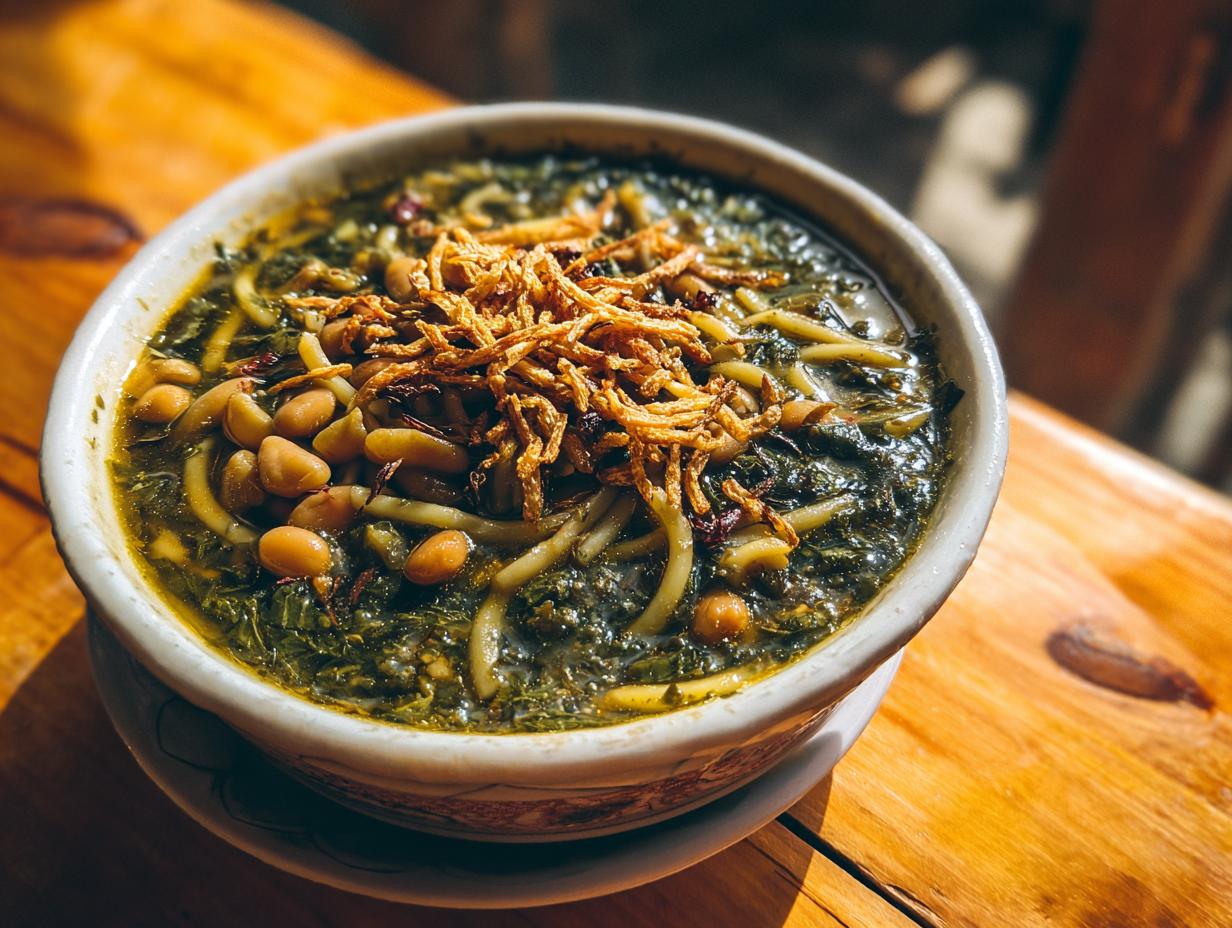
There’s nothing quite like the feeling of a truly comforting bowl of food warming you up from the inside out, right? When I first dove into mastering traditional Persian cuisine, I was intimidated. So many layers of flavor! But that’s where the beauty lies—finding the **harmony** in what seems complex. We’re going to tackle the ultimate expression of that comfort today: the incredible **persian noodle soup**, specifically the classic, iconic **Ash Reshteh**. Trust me, making this authentic soup isn’t about complicated choreography; it’s about combining hearty legumes, aromatic herbs, and tender noodles into one deeply satisfying dish that feels like a warm hug. I’ve stripped down the process so you can bring this amazing traditional meal to your table tonight. You can check out some of my quicker weeknight dinner recipes later, but this one is worth the extra simmer time!
- Why This Authentic Persian Noodle Soup (Ash Reshteh) is a Must-Make
- Gathering Ingredients for Your Persian Noodle Soup
- Step-by-Step Instructions for the Best Persian Noodle Soup
- Expert Tips for a Perfect Persian Noodle Soup
- Serving Suggestions: Topping Your Kashk Topped Soup
- Storage and Reheating Instructions for Leftover Persian Noodle Soup
- Frequently Asked Questions About This Nourishing Soup Dinner Idea
- Nutritional Estimates for Your Homemade Persian Meal
- Share Your Symphony of Flavor
- Nutritional Estimates for Your Homemade Persian Meal
- Share Your Symphony of Flavor
Why This Authentic Persian Noodle Soup (Ash Reshteh) is a Must-Make
So why bother making Ash Reshteh when there are so many other soups out there? Simple: nothing else tastes quite like this. It’s an absolute powerhouse of nutrition and tradition all nestled into one bowl of **persian noodle soup**. I promise you, once you master this, it will become your go-to comfort dish.
Hearty Herb Noodle Soup Packed with Goodness
- This is truly a **Hearty Herb Noodle Soup**. We’re loading it up with chickpeas, kidney beans, and tons of green herbs. It’s the kind of meal that sticks to your ribs in the best way possible.
- It’s incredibly satisfying and you feel great after eating it because it’s packed with fiber and protein before you even get to the noodles!
A True Traditional Iranian Soup Experience
This isn’t just dinner; it’s history in a bowl. This **Traditional Iranian Soup** is a centerpiece for celebrations, especially during Nowruz, the Persian New Year. The special *reshteh* noodles give it a unique, slightly chewy texture that sets it apart from any chicken noodle soup you’ve had before. It carries so much flavor memory!
Gathering Ingredients for Your Persian Noodle Soup
Okay, let’s talk gear! Making this amazing **persian noodle soup** means getting a few core ingredients ready. Don’t stress if you can’t find everything at your corner store; we have workarounds, but the legumes and herbs are where the symphony really starts. Since this is a one-pot wonder, having everything prepped makes the actual cooking process smooth sailing. I always lay everything out before I even turn on the stove—it keeps me calm, which equals better flavor, trust me on this!
Legume and Noodle Soup Base Components
This **Legume and Noodle Soup** relies on getting those hearty pulses tender first. Remember, you need to soak your dried chickpeas, kidney beans, and lentils overnight! If you forget, you can try using canned versions, but they just won’t have that same deep, earthy texture. Now, the noodles—the *reshteh* noodles are what give Ash Reshteh its name, but if you can’t source them, don’t panic! Just grab some thin egg noodles or even spaghetti and break those strands into small, fun-sized pieces. About 8 ounces is what you’ll need for this batch.
Essential Herbs for Authentic Persian Noodle Soup Flavor
This is non-negotiable, folks: we need a serious mix of dried herbs! The flavor profile of this **persian noodle soup** hinges on getting the right blend of dried parsley, cilantro, dill, and dried mint. Mixing them with the sautéed onion and garlic really toasts them up, making the aroma explode before you even add the broth. You need about half a cup of each of the main three herbs (parsley, cilantro, dill) and don’t skip that dried mint—it adds that signature bright lift!
Step-by-Step Instructions for the Best Persian Noodle Soup
Alright, this is where the magic happens! Making this incredible **persian noodle soup** is all about timing and layering those flavors correctly. We aren’t rushing the legumes; they need time to get happy and tender first. My approach here is to tackle the base first and then move right into building that aromatic foundation. Have your broth hot and ready to go, because once those herbs hit the pan, things move quickly!
Preparing the Legumes and Building the Broth for Persian Noodle Soup
First things first, drain and rinse those overnight soaked chickpeas, beans, and lentils. Get them into your biggest pot with fresh water—enough to cover them by a good two inches. Bring that to a boil, then knock the heat down so it just simmers gently. You need to watch this stage closely and skim off any foam that floats to the top; that’s crucial for a clean broth. They need about 45 minutes of this gentle cooking. While they work, heat your olive oil in a separate skillet. Cook your chopped onion until it’s soft, and then—watch out, this part is aromatic!—toss in the garlic and the turmeric for just a minute until you can really smell it. Now, add all those dried herbs we talked about. Stir them around for only about two minutes to toast them lightly. Once toasted, throw that whole herby onion mix right into the pot with your beans. Don’t forget to add your broth, salt, and pepper at this stage.
Adding Noodles and Finalizing Your Hearty Herb Noodle Soup
After those legumes have simmered for another 30 minutes—making sure to stir occasionally so nothing sticks to the bottom—it’s time for the noodles! Go ahead and toss in your *reshteh* noodles (or your broken spaghetti substitute). Let those cook according to the package directions, usually 8 to 10 minutes. If the whole thing starts looking too thick, just splash in a little extra hot water until it feels right. This is your moment to taste! Adjust that salt and pepper until it sings. If you decided you want that creamy depth from the kashk, stir in half of what you have reserved right now. It melts right in and gives this **Hearty Herb Noodle Soup** such a rich mouthfeel. Now you’re done with the cooking part! For the finishing touch, I always whisk up a little batch of my creamy flavor enhancer—wait, wrong recipe! Just kidding! Stick to the toppings specified below; you’ll see why in the next section!
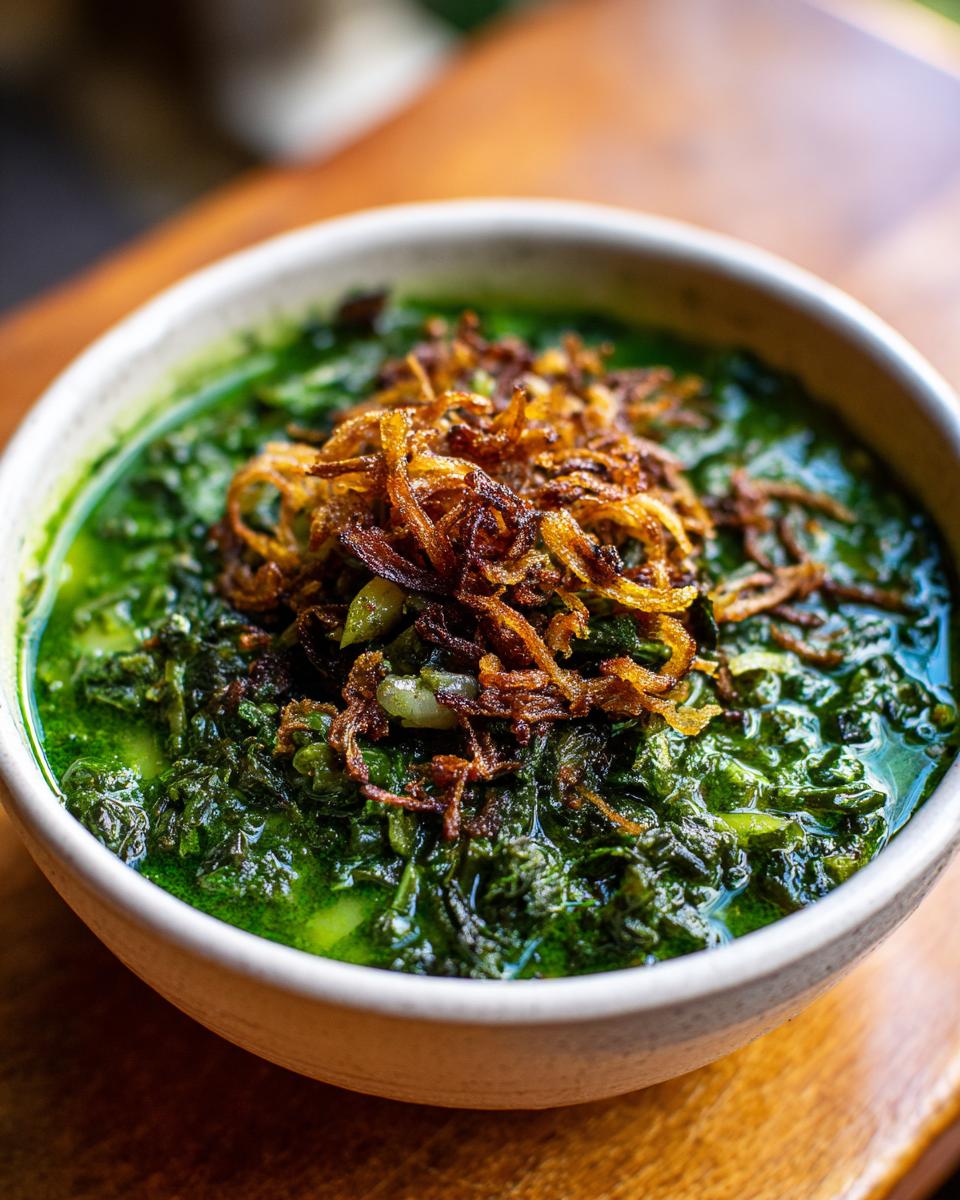
For quick reference, I always check my timing by looking at how quickly the broth reduces after I add the noodles. If it’s too thick, just add water! It’s that forgiving. Don’t worry about the beans being too soft; they should be completely tender by the time the noodles are done.
Expert Tips for a Perfect Persian Noodle Soup
Okay, now that you have the basic steps down for your **persian noodle soup**, let’s step it up a notch. Every good home cook has a few little secrets tucked away for when things aren’t behaving perfectly, or when they want to adapt a recipe for different needs. I’ve learned these the hard way over many, many pots of Ash Reshteh. These tips are what bring my soup from “good” to “wow, make this again next week!”
Achieving Ideal Texture in Your Persian Noodle Soup
Listen, the lentils and beans are going to swell up while they cook, and the noodles love to soak up all that delicious liquid, right? This is my number one texture saving tip: as you near the end of the cooking process and the noodles are almost done, taste the consistency. If it seems like it’s turning into stew rather than a soup, do not panic! Just keep a kettle of hot water nearby. Slowly whisk in just enough hot water—a half-cup at a time—until you get that perfect, soul-satisfying liquid level again. It brings the flavor right back into focus without diluting the depth we worked so hard to build. We want tender, but definitely soupy!
Making a Vegan Persian Soup Variation
When I make this for my vegetarian friends, the main hurdle is always the topping, because the soup base itself, using vegetable broth, is already totally fine as a **Vegan Persian Soup**. The traditional topping, *kashk* (dried whey), isn’t vegan, obviously. My solution, and this works unbelievably well, is to whip up a quick cashew cream. Soak some raw cashews in hot water for about 30 minutes, then blend them with a little fresh lemon juice, salt, and a tiny bit of water until it’s thick and smooth, almost like yogurt. It gives that same tangy, creamy kick that kashk provides. If you’re looking for other great vegetarian weekday meals, I have a quick list of easy breakfast recipes too, but this soup is the real star!
Serving Suggestions: Topping Your Kashk Topped Soup
If you think the cooking part is done when you take the pot off the stove? Oh, honey, you’d miss the best part of making this **persian noodle soup**! Ash Reshteh is almost always served completely plain in the bowl first, and then you create your own beautiful swirl of toppings right there. Garnishing isn’t just pretty; it’s absolutely essential for the authentic flavor profile of what makes this a true **Kashk Topped Soup**.
We focus on three main textural and flavor layers for the topping, and you want them ready right before serving so they are warm and crisp. If you want even more delicious soup inspiration, you can look at this amazing Persian Noodle Soup for side ideas!
The Power of Golden Fried Onions
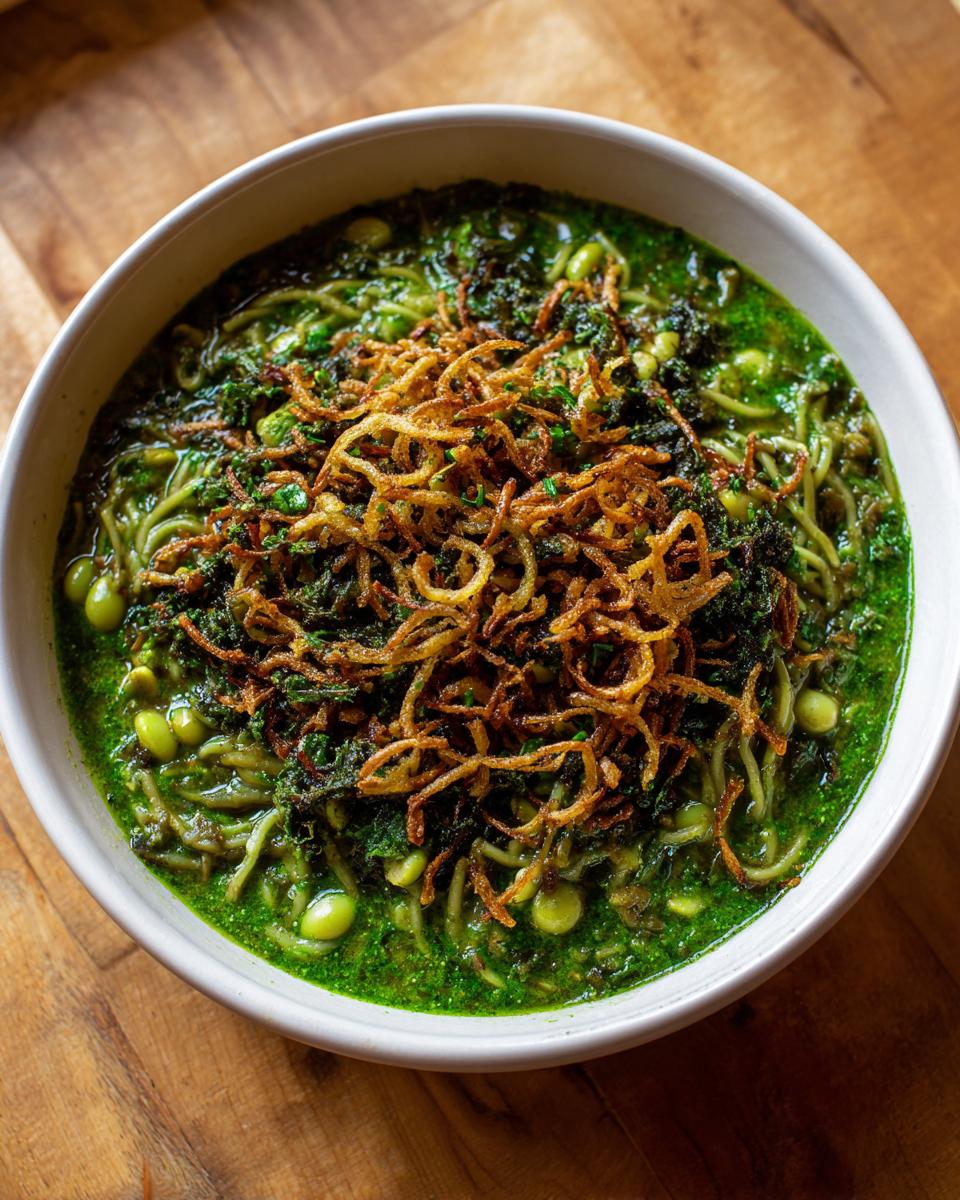
This step takes five minutes, but it transforms the soup. You want thinly sliced onions sautéed gently in olive oil until they are deep golden brown and sweet. Don’t rush this! If you get them too dark, they turn bitter. The key is low and slow until they start to caramelize. These add that essential sweet crunch against the softer legumes and noodles. I always make a big batch because I end up snacking on them!
Crispy Fried Dried Mint
This is the secret weapon that truly screams “Ash Reshteh!” You’ll take a small amount of your reserved dried mint and briefly fry it in a tiny bit of hot oil—and I mean *briefly*! Like 15 seconds tops. If you burn it, it will taste like ash, so keep stirring! This wakes up the mint flavor into a potent aroma that hits you right before your first bite. It’s earthy and bright, and it cuts through the richness of the broth perfectly.
That Beautiful Kashk Swirl
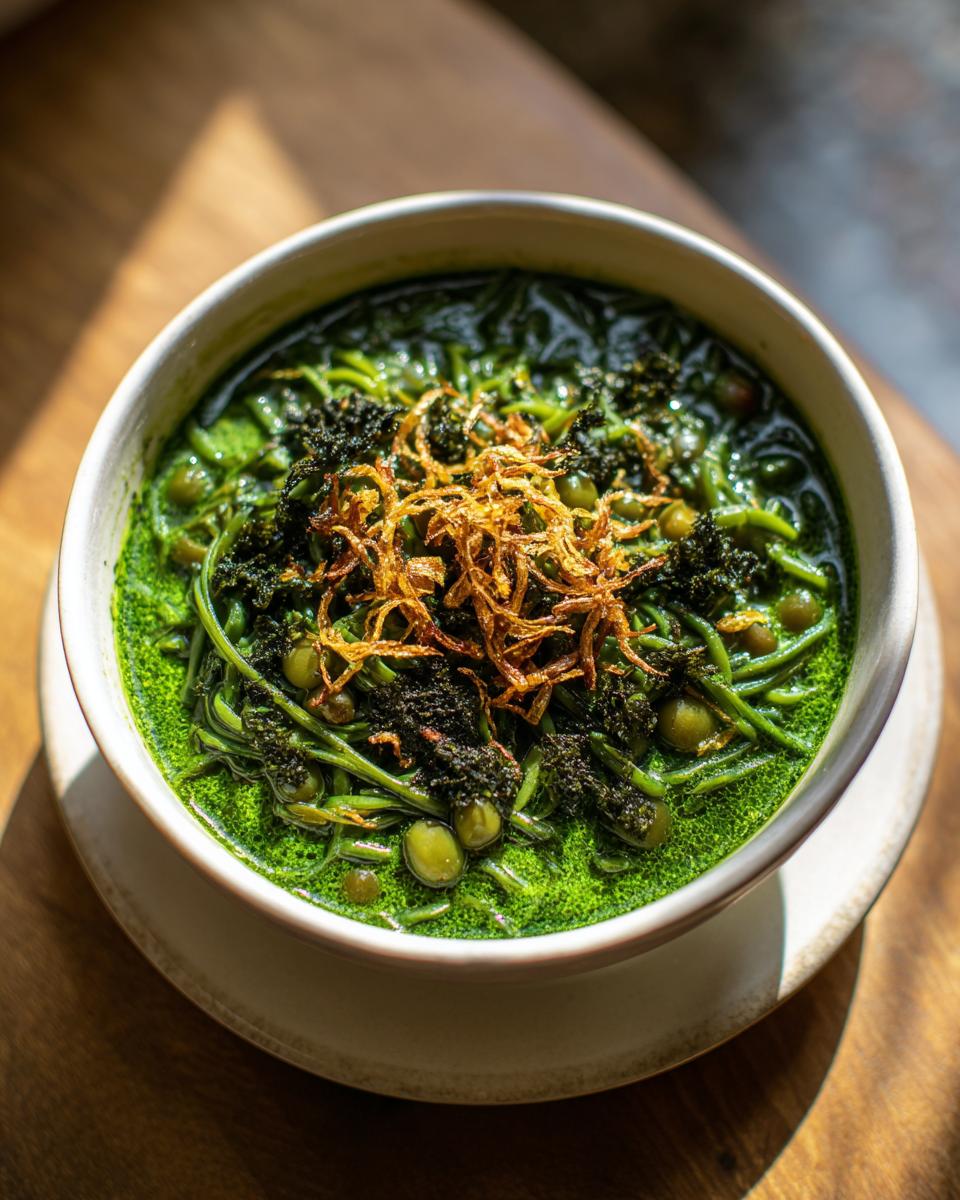
The *kashk* is the crowning jewel. If you are using it, make sure it’s thinned down slightly with a touch of water or milk so it drizzles nicely. Ladle your hot soup into bowls while it’s still plain. Then, take a spoon and drizzle that creamy topping in a nice little swirl or zigzag pattern across the top of the soup. Follow that up with a sprinkle of your golden fried onions and that beautiful crispy mint. That swirl of white, the little jewels of onion, and the dark green mint? That’s the picture of comfort right there, and it’s ready to be devoured!
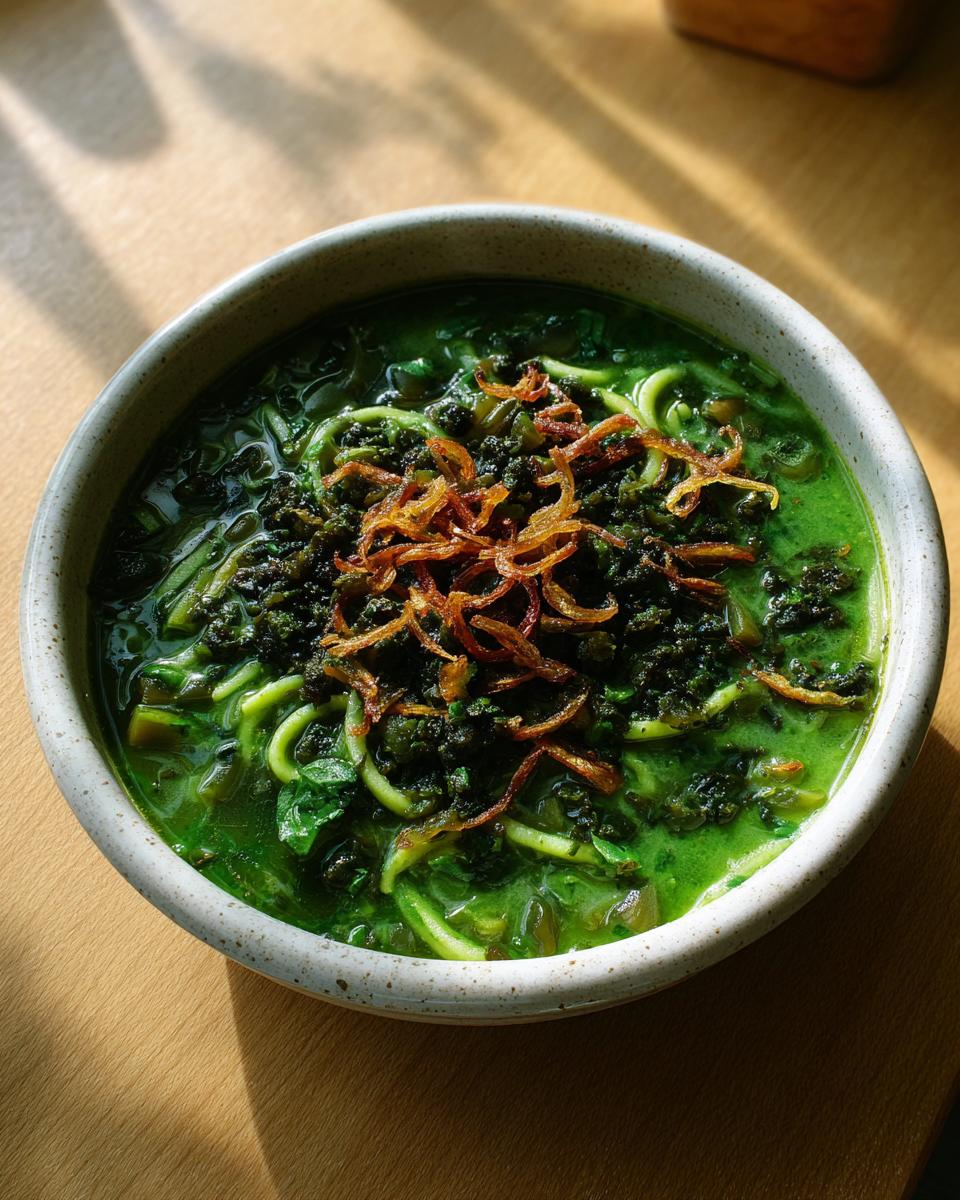
Storage and Reheating Instructions for Leftover Persian Noodle Soup
This **persian noodle soup** is honestly better the next day, but you have to store it smartly because those hearty ingredients suck up all the liquid! I always cool any leftovers completely before putting them into an airtight container. You’ll find that if you try to reheat it straight from the fridge the next day, it will be much thicker than when you first made it. That’s perfectly normal; the noodles and legumes just keep absorbing flavor!
When you’re ready for round two, scoop the soup into a pot over low heat. You absolutely must add an extra splash of vegetable or chicken broth—or even just plain hot water—as it warms up. Stir constantly until you reach that perfect, soupy consistency again. It reheats beautifully this way, giving you another perfect bowl of **Nourishing Soup Dinner Idea** without having to start from scratch!
Frequently Asked Questions About This Nourishing Soup Dinner Idea
I know you might have a few last questions swirling around. That’s totally normal! When you’re committing time to making a rich dish like this **persian noodle soup**, you want to make sure you get it right. I’ve gathered the questions I get most often from friends and family who are trying Ash Reshteh for the first time. Think of this as an extra little polish before you serve up your spectacular creation!
Can I make this Persian noodle soup ahead of time?
Absolutely, and honestly, I think it tastes even better on day two! However, my biggest piece of advice is to be mindful of those noodles. Since *reshteh* or spaghetti will soak up nearly all the broth overnight, you have two great options. Option one: Cook and store the rich bean and herb broth separately from the noodles. Then, when you reheat the base, just cook the noodles fresh and add them in near the end. Option two: Store it all together, but make sure you have extra broth on hand to thin it out significantly when reheating. I usually go with option two if I’m feeling lazy, but option one gives you the best texture preservation!
What is the difference between Ash Reshteh and other Middle Eastern Noodle Dish types?
That’s a great question because there are tons of incredible soups across the Middle East! What really sets Ash Reshteh apart from just any **Middle Eastern Noodle Dish** is the sheer volume of fresh and dried herbs combined with the trio of legumes—chickpeas, beans, *and* lentils. Many other regional soups tend to focus more heavily on a specific meat, like chicken, or rely on a richer dairy base from the start. Ash Reshteh is truly all about that earthy, vegetal depth from the greens and pulses. It’s a vegetarian powerhouse that relies on slow simmering to harmonize those components, rather than just spices alone.
How can I make this an easy Persian Soup Recipe if I skip soaking the beans?
I totally get it—sometimes soaking is just not in the cards when you’re planning a quick meal! If you skip the overnight soak, you’re definitely moving away from the simplest way to make this, but you can absolutely speed things up and still get a decent result for an **Easy Persian Soup Recipe**. The secret is pressure cooking or a very fast boil. For the kidney beans and chickpeas, after you’ve rinsed them, cover them well with water and bring them to a rolling boil for about 10 minutes. Turn off the heat, put the lid on tight, and let them sit for at least an hour or two. They won’t be as tender as the overnight soak, but it drastically cuts down your cooking time before you move them into the main soup pot. Just be prepared for them to need a bit longer simmering time later on to fully soften up!
I always recommend checking out my recipe for Irish Potato Leek Soup if you need something truly hands-off next week, but this Ash Reshteh is worth the effort!
Nutritional Estimates for Your Homemade Persian Meal
When you sit down with a big bowl of this **Homemade Persian Meal**, you’re eating something rich, but surprisingly balanced! Based on using the standard recipe *without* the optional extra kashk topping, you’re looking at roughly 380 calories per serving. It’s great news for a filling dinner because that number comes with about 20 grams of protein and a whopping 15 grams of fiber, thanks to all those legumes. It’s proof that comfort food can absolutely be nourishing!
Share Your Symphony of Flavor
I so hope you enjoyed making this rich and aromatic **persian noodle soup**! Seriously, once you’ve got those toppings glistening on top, snap a picture and tag me! I absolutely love seeing how your homemade versions turn out and what your family thinks of this incredible dish. Don’t forget to leave a rating and a quick note in the comments below about your favorite part—was it the creamy kashk, or maybe the crunch of the fried mint? If you want more inspiration for harmony in your own kitchen, cruise over to my About Page; I love connecting with fellow home cooks!
Nutritional Estimates for Your Homemade Persian Meal
When you sit down with a big bowl of this **Homemade Persian Meal**, you’re eating something rich, but surprisingly balanced! Based on using the standard recipe *without* the optional extra kashk topping, you’re looking at roughly 380 calories per serving. It’s great news for a filling dinner because that number comes with about 20 grams of protein and a whopping 15 grams of fiber, thanks to all those legumes. It’s proof that comfort food can absolutely be nourishing! If you’re looking for more fiber-packed recipes, check out my homemade granola recipe!
Share Your Symphony of Flavor
I so hope you enjoyed making this rich and aromatic **persian noodle soup**! Seriously, once you’ve got those toppings glistening on top, snap a picture and tag me! I absolutely love seeing how your homemade versions turn out and what your family thinks of this incredible dish. Don’t forget to leave a rating and a quick note in the comments below about your favorite part—was it the creamy kashk, or maybe the crunch of the fried mint? If you want more inspiration for harmony in your own kitchen, cruise over to my About Page; I love connecting with fellow home cooks!
PrintAuthentic Ash Reshteh: Hearty Persian Noodle and Herb Soup

Make the ultimate comfort food with this authentic Ash Reshteh recipe. This hearty Persian noodle soup combines fresh herbs, multiple legumes, and traditional noodles for a deeply satisfying meal perfect for any day.
- Prep Time: 30 min
- Cook Time: 1 hour 45 min
- Total Time: 2 hours 15 min
- Yield: 6 servings 1x
- Category: Dinner
- Method: Stovetop Simmering
- Cuisine: Persian
- Diet: Vegetarian
Ingredients
- 1 cup dried chickpeas, soaked overnight
- 1 cup dried kidney beans, soaked overnight
- 1 cup dried lentils, soaked overnight
- 1 large yellow onion, chopped
- 3 cloves garlic, minced
- 1 tablespoon turmeric powder
- 1 teaspoon dried mint
- 1/2 cup dried parsley
- 1/2 cup dried cilantro
- 1/2 cup dried dill
- 1/2 cup dried chives or green onion tops
- 8 cups vegetable broth (or chicken broth for non-vegetarian)
- 8 ounces reshteh noodles (or substitute with thin egg noodles or spaghetti broken into small pieces)
- Salt and black pepper to taste
- 2 tablespoons olive oil
- 1/2 cup kashk (Persian whey, optional topping)
- 1/4 cup fried onions (for topping)
- 1/4 cup fried dried mint (for topping)
Instructions
- Drain and rinse the soaked chickpeas, beans, and lentils. Place them in a large pot with enough fresh water to cover them by two inches. Bring to a boil, then reduce heat and simmer until partially tender, about 45 minutes. Skim off any foam.
- While the legumes cook, heat the olive oil in a separate large skillet over medium heat. Add the chopped onion and cook until soft and translucent, about 7 minutes.
- Add the minced garlic and turmeric powder to the skillet. Cook for 1 minute until fragrant.
- Add the dried herbs (parsley, cilantro, dill, and dried mint) to the skillet mixture. Stir well and cook for 2 minutes to toast the dried herbs slightly.
- Add the herb and onion mixture to the pot with the simmering legumes. Add the vegetable broth, salt, and pepper. Bring the soup back to a simmer.
- Add the rinsed lentils to the pot. Continue to simmer for another 30 minutes, or until all legumes are fully tender. Stir occasionally to prevent sticking.
- Add the reshteh noodles to the pot. Cook according to package directions, usually 8 to 10 minutes, until the noodles are soft. If the soup becomes too thick, add a little hot water.
- Taste and adjust salt and pepper as needed. If you are using kashk, stir in half of it now for creaminess, reserving the rest for topping.
- Serve the Ash Reshteh hot. Drizzle each bowl with the remaining kashk (if using), and garnish generously with fried onions and fried dried mint.
Notes
- For a vegan Persian soup, skip the kashk topping or substitute it with a cashew cream or vegan sour cream alternative.
- If you cannot find reshteh noodles, use thin spaghetti or linguine, breaking the strands into 1-inch pieces before adding them to the soup.
- This soup is traditionally eaten during Nowruz (Persian New Year), but it makes a nourishing soup dinner any time of year.
Nutrition
- Serving Size: 1.5 cups
- Calories: 380
- Sugar: 6
- Sodium: 650
- Fat: 9
- Saturated Fat: 1
- Unsaturated Fat: 8
- Trans Fat: 0
- Carbohydrates: 60
- Fiber: 15
- Protein: 20
- Cholesterol: 5