

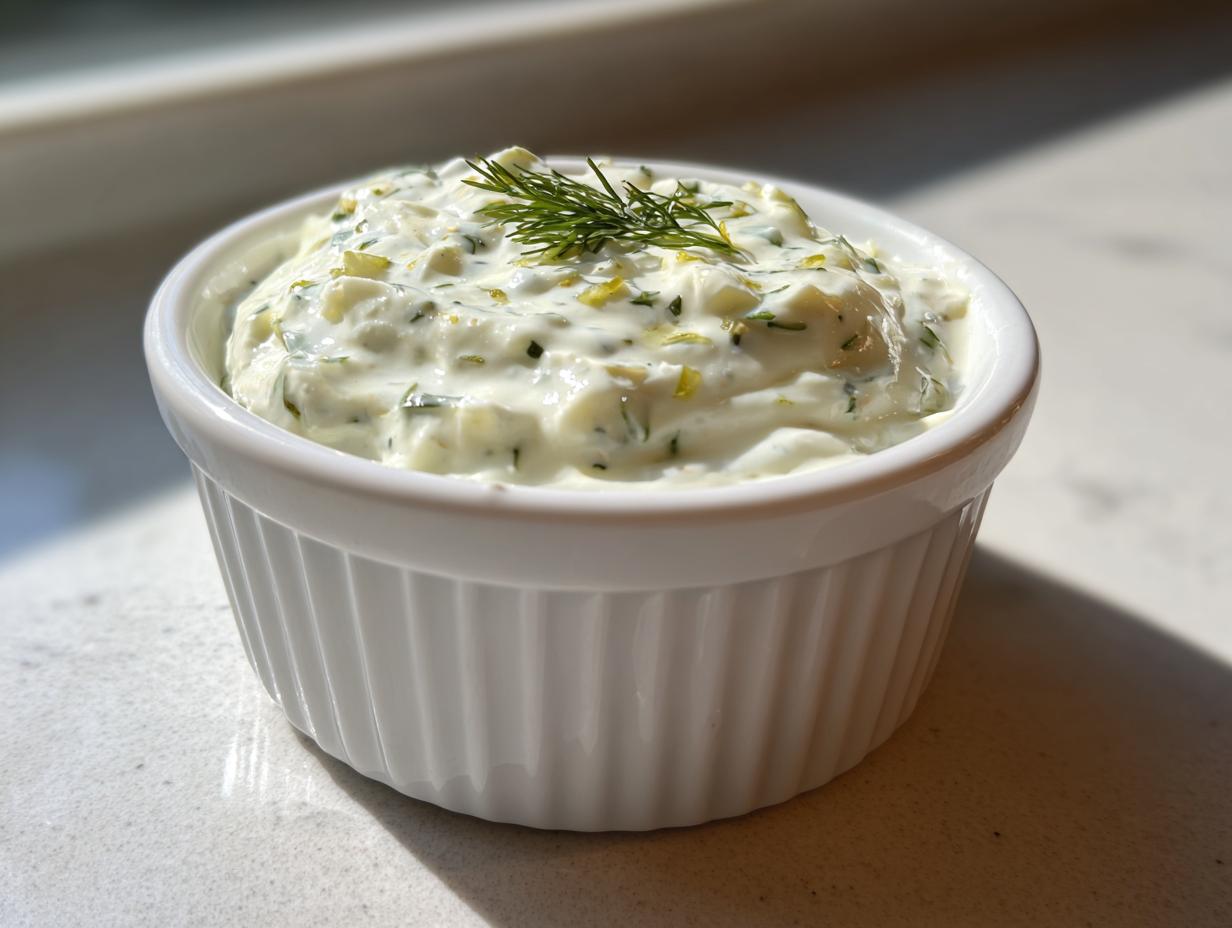
If you’re like me, you know that perfectly flaky fried fish or a delicate crab cake deserves a sauce that sings, not one that just sits there. We talk a lot here at Delish Symphony about finding that beautiful harmony in everyday cooking, and honestly, nothing demonstrates that better than a truly excellent condiment. Forget those jars gathering dust in the fridge! Today, we’re making the absolute easiest, creamiest tartar sauce recipe you’ll ever try. It takes less than ten minutes, and I promise, once you taste this fresh tang, you’ll never look back. It’s simple flavor elevated, just the way I like it. You can check out more about my simple approach to cooking over on my About Page if you like!
- Why This Is the Best Tartar Sauce Recipe You Will Ever Need
- Essential Tartar Sauce Ingredients for Homemade Tartar Sauce
- Step-by-Step Instructions for This Easy Tartar Sauce Recipe
- Tips for the Tangy Tartar Sauce Success
- Serving Suggestions: Tartar Sauce for Fish and More
- Storage and Reheating for Your Homemade Condiment
- Common Questions About Making Tartar Sauce From Scratch
- Estimated Nutritional Data for This Tartar Sauce Recipe
- Share Your Homemade Condiment Creations
Why This Is the Best Tartar Sauce Recipe You Will Ever Need
I always tell people that a great meal is only as good as its components, and that means the sauce needs to pull its weight! This **tartar sauce recipe** is leagues better than anything you can grab off the shelf. Why? Because you control the freshness. You avoid all those weird preservatives that make the store-bought stuff taste flat.
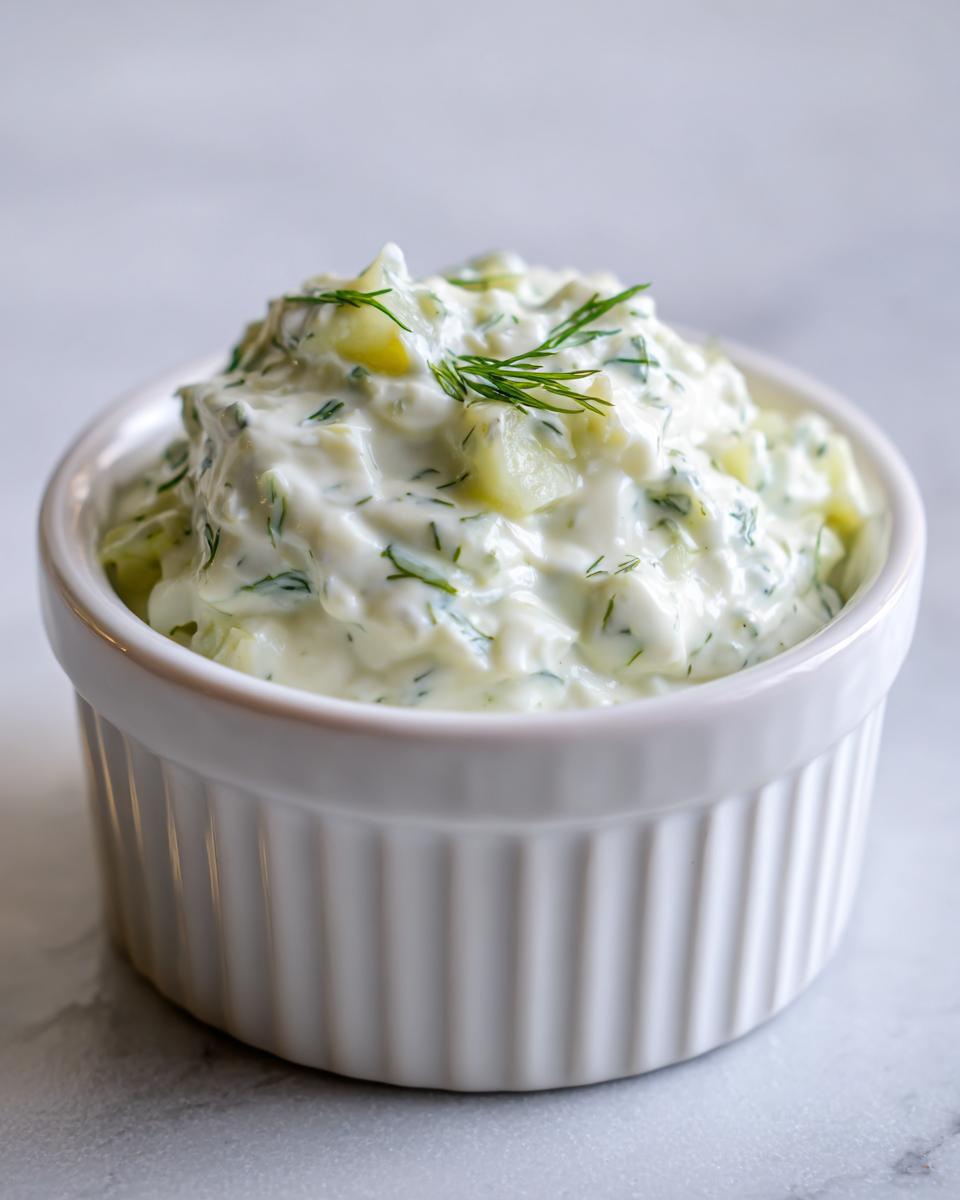
- It delivers that fresh tartar sauce punch that makes seafood shine.
- This is genuinely the best tartar sauce for pairing with fried oysters or homemade fish sticks.
- You get all the bright, tangy notes without that artificial aftertaste.
Quick Tartar Sauce Ready in Minutes
The best part, honestly, is the speed. We are talking about a true quick tartar sauce here. Seriously, the mixing takes maybe ten minutes total if you’re being careful with your chopping. That means you can whip this up while your fish is baking or while the fryer is heating up. No waiting around for flavor development!
Achieving That Perfect Creamy Tartar Sauce Texture
Texture is everything in a condiment. We want it rich and luscious—that beautiful, velvety mouthfeel that screams creamy tartar sauce. The key here is using really good, full-fat mayonnaise as your base. Don’t skimp on the mayo; it’s the binder that holds all that zesty goodness together perfectly.
Essential Tartar Sauce Ingredients for Homemade Tartar Sauce
When we talk about making the best tartar sauce recipe, we have to start with the building blocks. Getting these tartar sauce ingredients right is what transforms a basic dip into something truly memorable, especially when you’re making it from scratch. Since this is a mayo-based sauce, the quality of your main ingredient really matters! You’ll notice I call for both sweet and dill pickles here—that’s intentional to balance both texture and sweetness, giving you that perfect snap.
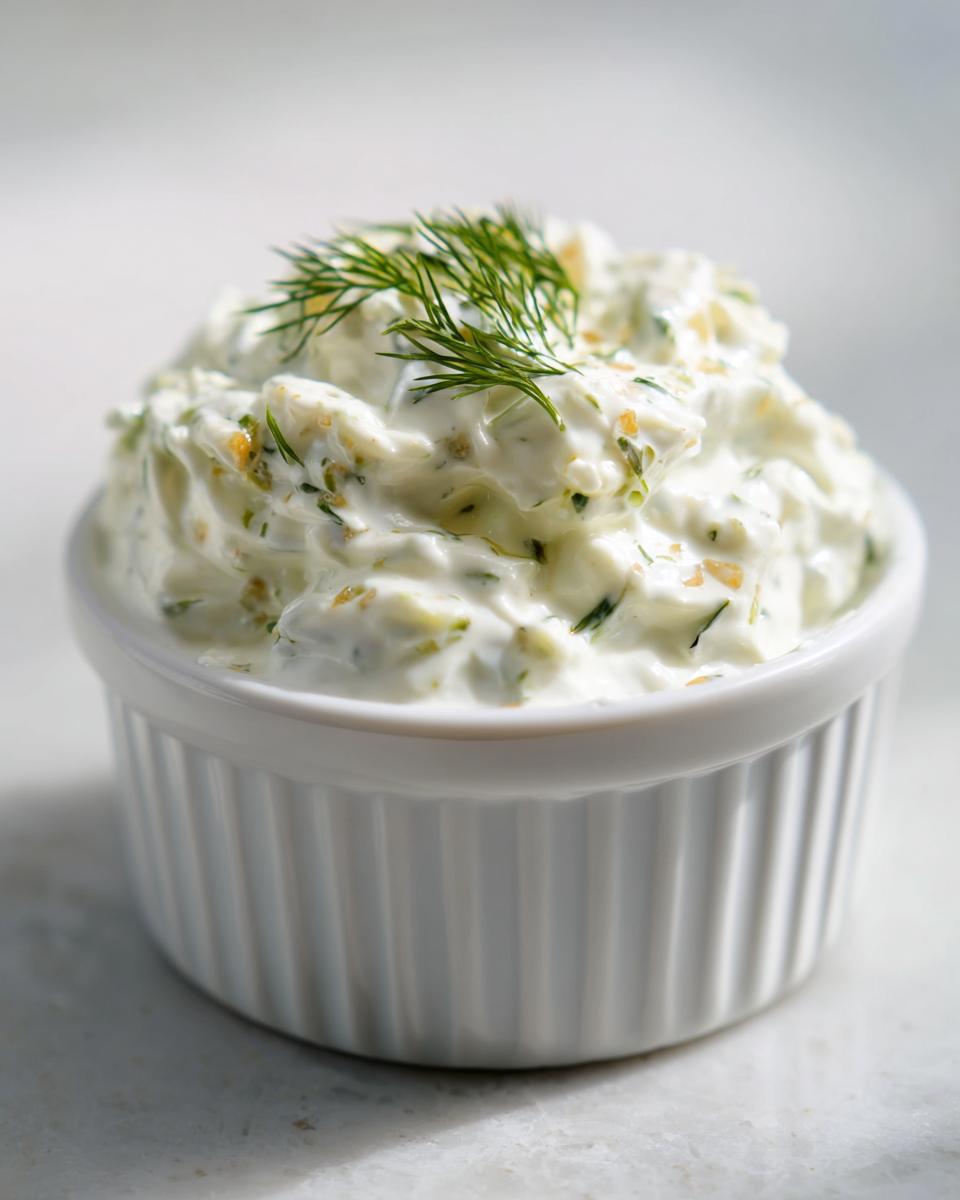
I also included a link to my Tzatziki Sauce Recipe if you wanted some inspiration for other cool, fresh spreads while you’re in the condiment-making mood!
Ingredient Clarity and Preparation Notes
Listen, the details are where the harmony happens. You want everything prepped correctly so that it blends seamlessly. For the pickles, I need both sweet relish for sweetness and finely chopped dill pickles for that sharp tang. Don’t just toss them in whole!
The capers are essential for depth, but make sure you drain them well first. If your capers are super salty, give them a quick rinse under cold water before you chop them finely. If you look at the ingredient list, you’ll see fresh dill is optional. If you use it? Amazing. If you skip it because you don’t have any on hand, don’t stress—it’s still a fantastic sauce even without it, though Dill is a classic flavor pairing.
Step-by-Step Instructions for This Easy Tartar Sauce Recipe
Okay, now for the magic part of making this truly easy tartar sauce recipe. Since everything is essentially just chopped and mixed, this is where we layer the flavor so it harmonizes beautifully. You don’t need any fancy equipment, though if you prefer the ultra-smooth texture you can check out my Garlic Aioli recipe sometime for tips on using a food processor if you want to skip the hand chopping!
First, just get everything into your bowl! Seriously, just dump the mayo, both pickles, mustard, capers, lemon juice, and pepper in there. Give it a good, thorough stir until it looks uniformly creamy and pale. If you’re using fresh dill, gently mix that in at the very end. That’s it for the mixing part!
The Flavor Melding Rest Period
Now, this next step might feel like waiting when you want to eat immediately, but trust me, do not skip it! Put a lid on that bowl and stick it in the fridge for a solid 30 minutes. This chilling time is when the lemon juice, the capers, and the pickles truly start talking to the mayonnaise. If you serve it immediately, it tastes fine; if you let it rest, it becomes the best tartar sauce recipe harmony I was telling you about. It allows the flavors to fully meld together, making it so much more tangy and complex. You can look at some folks who share quick tips, like over at Fresh Food HQ, but this resting time is non-negotiable for my perfect flavor!
Tips for the Tangy Tartar Sauce Success
Now that you’ve mixed up the basics, let’s talk about taking this from good to absolutely essential. I want everyone who tries this to achieve that perfectly bright, tangy tartar sauce kick. It’s all about mastering the balance—you need the creaminess from the mayo, but you need the acid to cut right through it, especially when you’re pairing it with rich fried seafood.
My number one tip for acid control, especially if you’re doubling the recipe or adapting it, is to taste as you go. If you think it’s tasting a little dull, add a tiny bit more lemon juice, maybe just half a teaspoon! But be careful; too much acid and suddenly your creamy base turns watery and sharp. It’s all about finding that sweet spot where the brightness elevates the richness of the mayo, not overwhelms it.
Making Tartar Sauce with Capers: Flavor Boost
If you’re looking for that deep, briny pop that really separates a homemade sauce from the rest, you absolutely need the capers. When folks ask me about the secret to a deeper flavor in their tartar sauce with capers, I always point to the quality here.
Remember what I said earlier about tasting your capers? If you grab a jar of them and they taste like pure salt water, give them a quick, light rinse under cool running water before chopping them up. You want the flavor they bring, but you don’t want them to overpower the whole batch with salinity. Chop them small so you get little bursts of flavor without a big salty mouthful. It’s a tiny step, but it makes such a difference in the overall harmony of the sauce!
Serving Suggestions: Tartar Sauce for Fish and More
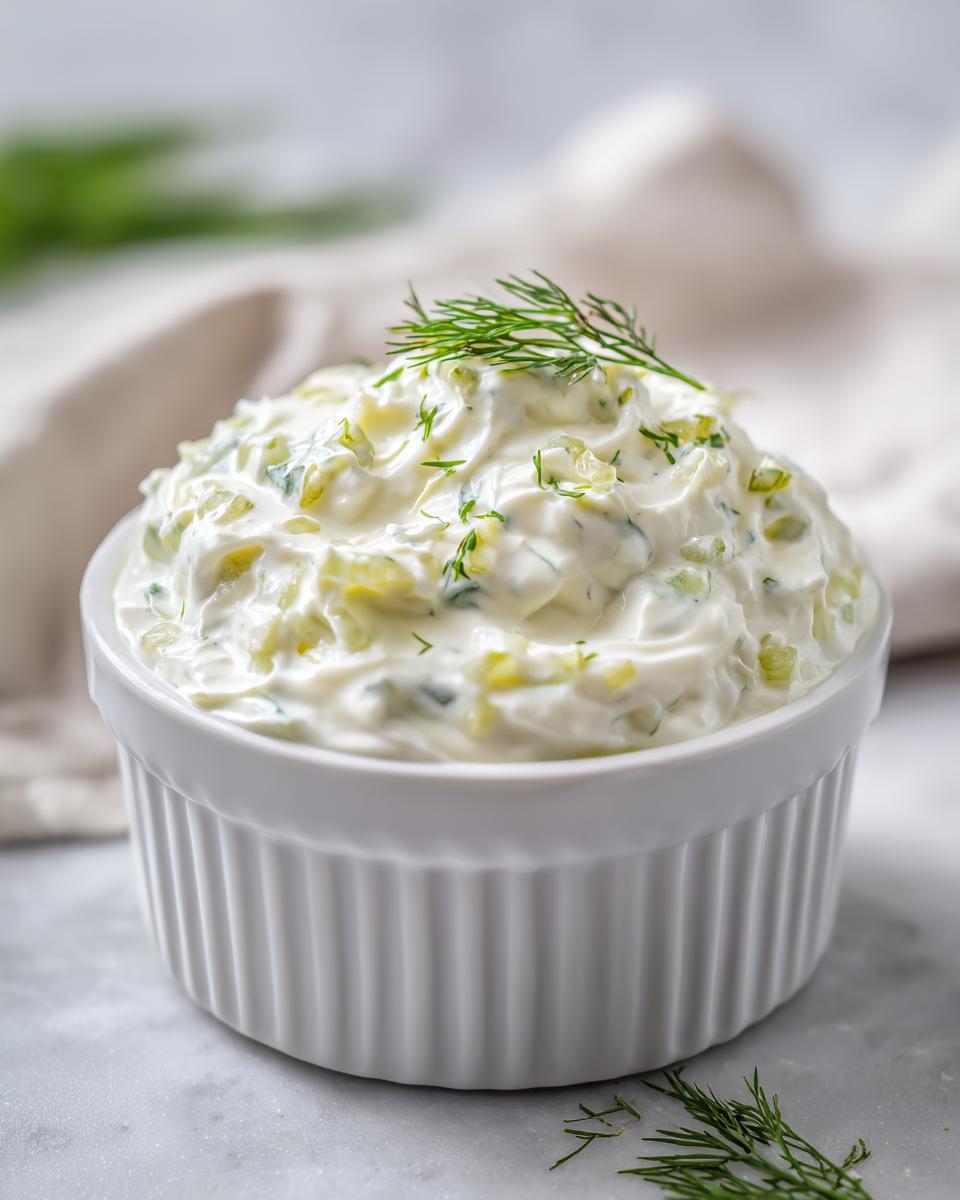
After all that mixing, you deserve to enjoy this amazing sauce! If you’re making this specifically for a fish fry, you’re in luck, because this is truly the best tartar sauce for fish you’ll ever taste. Forget dipping; this sauce elevates the whole meal. I love it on crispy cod, delicate flounder, and those jumbo shrimp we used in my Cajun Shrimp recipe—seriously phenomenal.
It’s fantastic straight up as a universal seafood dipping sauce. Whether you’re making crab cakes or just baking up some simple salmon (check out my guide to Anti-Inflammatory Salmon Dinners for main course ideas!), the bright, tangy flavor cuts right through the richness. It just makes everything taste brighter, you know?
Beyond Seafood: Using This Tartar Sauce Recipe
Don’t let the fish crowd hog all the good stuff! This sauce is too good to only use once a month. If you happen to have leftovers, you absolutely must try it on other things. It’s amazing slathered on a thick homemade burger or used as the creamy base for a pulled chicken sandwich. I even use a dollop instead of plain mayo on my turkey wraps for a little zing!
It makes an incredible fish sandwich topping, obviously, but give it a try on crispy potato wedges instead of ketchup—game changer! I found someone else who loves using it on wraps too, linking over to their great ideas here. Honestly, treat it like any great homemade condiment; taste it, and find where it fits best in your kitchen!
Storage and Reheating for Your Homemade Condiment
Okay, so we’ve made this fantastic, fresh homemade condiment, and now you’re wondering how long this vibrant flavor party lasts in the fridge. Because we used fresh ingredients and stuck to that creamy mayonnaise base, this sauce is better fresh, but it holds up surprisingly well. My family always makes a big batch, and we rarely worry about it lasting more than a couple of days!
The key to keeping your mayonnaise based sauces safe and tasting just as good on Day Four as Day One is the container choice. You definitely want to transfer all that deliciousness out of whatever mixing bowl you used. An airtight container is your best friend here. Glass containers are my personal preference because they never seem to hold onto residual onion or garlic smells, but any tight-sealing jar works perfectly fine.
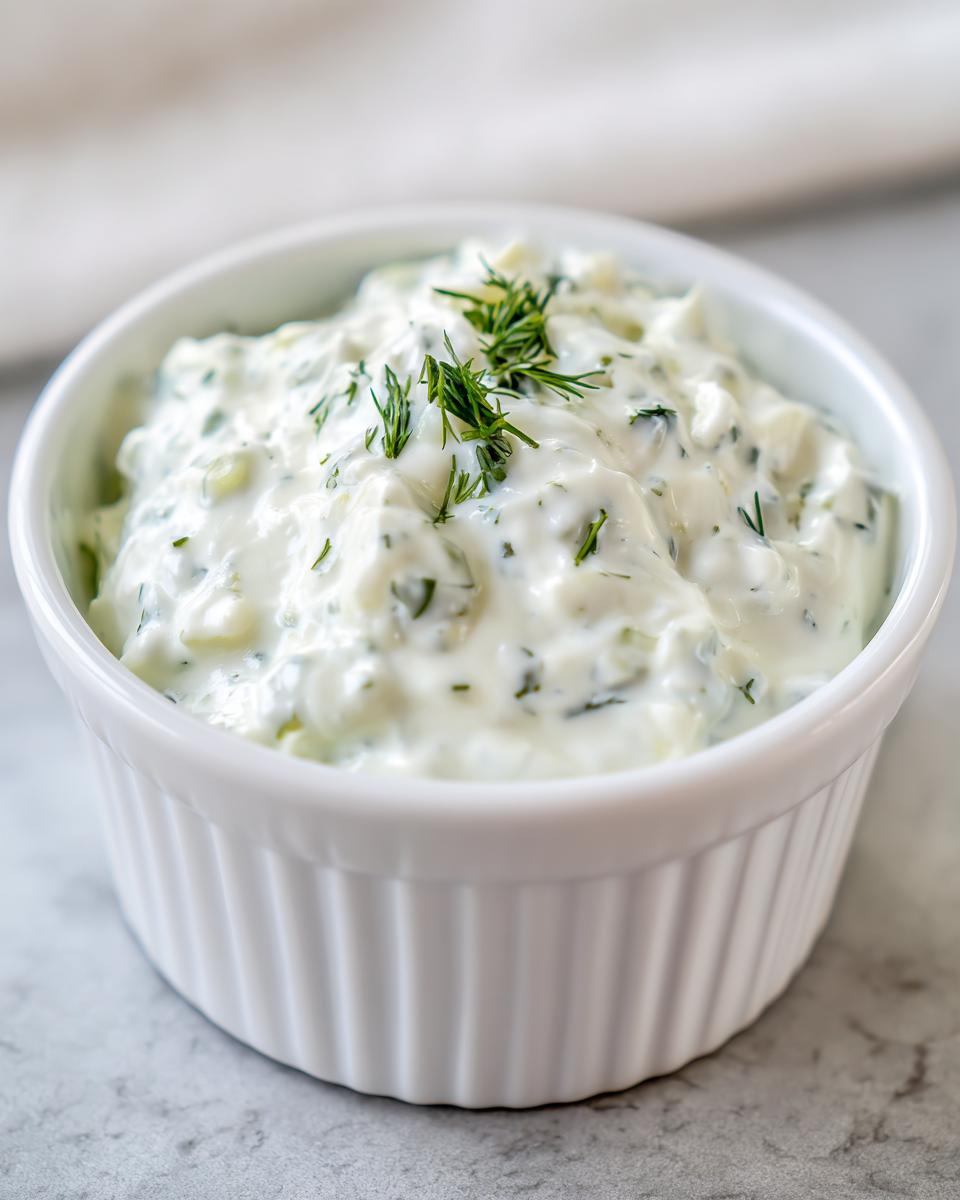
The good news is that because of the high fat/sugar content, this sauce is quite stable. You can rest assured that this homemade tartar sauce keeps beautifully in the refrigerator for up to one whole week. That’s right—seven full days of incredible flavor ready to go for fish night or your work lunch sandwich!
Now, about reheating? Well, you don’t! Since this is a cold sauce, there’s no reheating needed. Just make sure you pull it out of the fridge about five or ten minutes before you plan to serve it, especially if you live somewhere super cold. Letting it warm up just slightly off-the-chill softens the texture just enough to make it perfect for dipping or drizzling.
Common Questions About Making Tartar Sauce From Scratch
It’s totally normal to have questions when you’re moving away from the jarred stuff and deciding to **make tartar sauce from scratch**. That’s what I’m here for! Over the years, friends and family have asked me all sorts of things about getting this tartar sauce recipe just right, especially concerning texture and those little salty zingers. Don’t hesitate to experiment once you get the hang of the base recipe; cooking should always be an adventure!
If you need quick inspiration for fitting this awesome sauce into your busy schedule, check out my collection of Weeknight Dinner Recipes—I bet you can find the perfect fish dish to pair this with tonight!
Can I use regular pickles instead of sweet relish in this tartar sauce recipe?
You absolutely can, and many people prefer it! The thing is, sweet pickle relish brings a distinct, sugary note that balances the sourness of the lemon and the dill pickles we added. If you swap the two tablespoons of sweet relish for two tablespoons of finely chopped dill pickles, your sauce will become much more savory and intensely tangy. It won’t be bad at all! It will just be sharper, leaning more toward a classic, bracingly pucker-y flavor profile. Taste it after the 30-minute rest, and if it feels too aggressive, just stir in half a teaspoon of sugar or a tiny drizzle of honey to bring back a little sweetness.
What is the best substitute for capers in a homemade tartar sauce?
Capers add that distinct little briny burst that really makes the sauce special. If you can’t find them or just don’t like them, don’t sweat it! You have a couple of great options to mimic that salty, complex flavor:
- More Acid/Salt: Start by adding an extra half-teaspoon of lemon juice, plus a tiny pinch of salt. This covers the sharpness but misses the texture.
- Chopped Olives: My favorite direct swap, if you have them, is about half a teaspoon of very finely chopped green olives. They offer a comparable salty, fermented depth that works wonderfully in a homemade tartar sauce.
- Vinegar Boost: Since capers deliver a punch, another great move is to add a tiny dash—maybe a quarter teaspoon—of white wine vinegar along with the lemon juice for that extra acidic lift.
Estimated Nutritional Data for This Tartar Sauce Recipe
Look, I’m not a nutritionist, right? I’m focused on flavor harmony, not counting macros! But since this is such a practical, straightforward tartar sauce recipe, I pulled the estimated data based on the ingredients list just so you have an idea of what you’re dealing with. Remember, this is a rich, creamy condiment, so while it’s only a small serving, it does pack in flavor and a bit of fat from that wonderful mayonnaise base.
These values are based on a standard two-tablespoon serving size. Because we are making this at home, keep in mind that the exact amount of salt, sugar, and oil might shift slightly depending on the brand of mayo you pick up. But for a quick reference for your weeknight planning, here’s the breakdown:
- Serving Size: 2 tbsp
- Calories: 180
- Fat: 19g (This is where that satisfying creaminess comes from!)
- Saturated Fat: 3g
- Carbohydrates: 2g
- Sugar: 2g
- Sodium: 280mg
- Protein: 0g
It’s good information to have, but trust me, the flavor payoff when you pair this with fresh fish is well worth it. We’re sticking to those essential, flavorful tartar sauce ingredients here, and it shows!
Share Your Homemade Condiment Creations
So there you have it! That’s everything you need to know to take your seafood nights up several massive notches with this ridiculously easy and creamy tartar sauce. Honestly, when you walk away from store-bought and make something this fresh at home, you taste the difference immediately. I’m so excited for you to try this!
Now, in the spirit of building community and finding that shared culinary rhythm, I really want to hear from you. Did you try it? Did you use fresh dill or skip it? Were you surprised by how much better the capers made your tartar sauce recipe compared to just using relish?
If you loved the balance of acid and creaminess, please take a moment to leave a star rating right below the recipe card. Ratings and comments are how search engines—and frankly, I—know this recipe is hitting the right notes for busy home cooks across the country. It really helps other folks trust that this simple **sauce for fried seafood** is the real deal.
If you managed to snap a picture of your perfectly sauced fish or your beautiful bowl of fresh dip, I would absolutely love to see it! You can tag me on social media or just send your feedback over using my Contact Page. I read every single message, and sharing your successes helps me keep developing useful, straightforward recipes for the Delish Symphony kitchen. Happy cooking, and enjoy that perfect, tangy kick!
PrintEasy Creamy Homemade Tartar Sauce
Make this quick and creamy homemade tartar sauce using simple ingredients. It is the best dipping sauce for fish, shrimp, and crab cakes.
- Prep Time: 10 min
- Cook Time: 0 min
- Total Time: 10 min
- Yield: About 1 cup 1x
- Category: Condiment
- Method: Mixing
- Cuisine: American
- Diet: Vegetarian
Ingredients
- 1 cup mayonnaise
- 2 tablespoons sweet pickle relish
- 1 tablespoon finely chopped dill pickles
- 1 tablespoon fresh lemon juice
- 1 teaspoon capers, drained and chopped
- 1 teaspoon Dijon mustard
- 1/4 teaspoon black pepper
- 1 tablespoon fresh dill, chopped (optional)
Instructions
- Gather all your ingredients in a medium bowl.
- Add the mayonnaise, sweet pickle relish, chopped dill pickles, lemon juice, capers, Dijon mustard, and black pepper to the bowl.
- Stir all ingredients together until they are fully combined and the sauce is smooth and creamy.
- If using, stir in the fresh dill.
- Cover the bowl and refrigerate the tartar sauce for at least 30 minutes before serving. This allows the flavors to meld together.
- Taste and adjust seasoning if needed before serving with your favorite seafood.
Notes
- For a tangier sauce, add 1 teaspoon of white vinegar along with the lemon juice.
- If you prefer a smoother texture, pulse the ingredients briefly in a food processor instead of chopping the pickles by hand.
- This homemade condiment keeps well in an airtight container in the refrigerator for up to one week.
Nutrition
- Serving Size: 2 tbsp
- Calories: 180
- Sugar: 2
- Sodium: 280
- Fat: 19
- Saturated Fat: 3
- Unsaturated Fat: 16
- Trans Fat: 0
- Carbohydrates: 2
- Fiber: 0
- Protein: 0
- Cholesterol: 10