

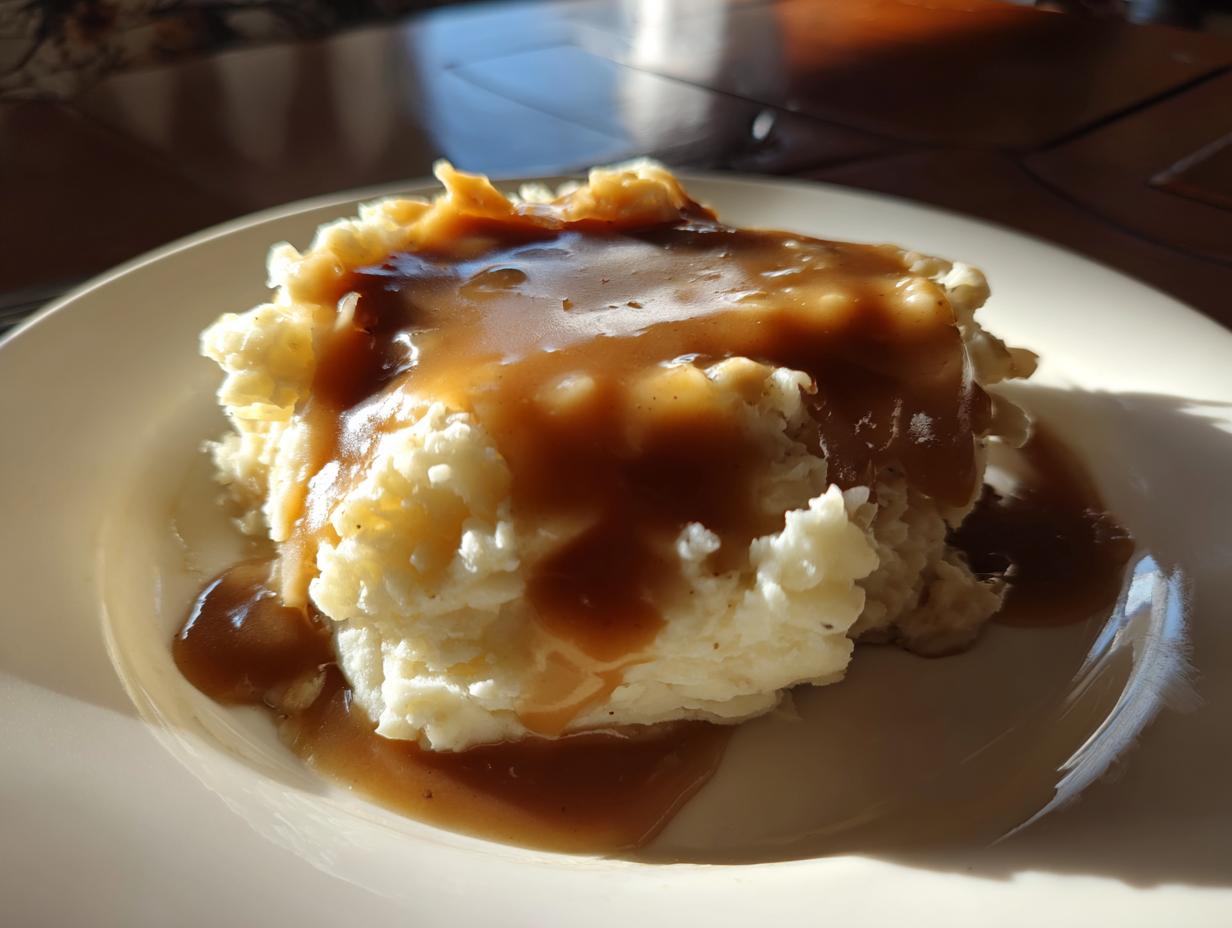
There’s something magical about the moment everything on your plate harmonizes—that warm, savory blanket poured right over fluffy potatoes or crisp biscuits. For me, the kitchen truly becomes a sanctuary when I’m making a deeply satisfying, rich sauce. And honestly, nothing beats the classic comfort food flavor of a creamy, flavorful chicken gravy. Forget those grainy, sad packets! I figured out how to get that perfect, velvety texture in under 15 minutes, and here’s the secret: it works whether you just finished roasting a bird and have glorious pan drippings, or if you are staring down an empty fridge and only have pantry solids. Trust me, you need this recipe in your rotation for quick weeknight dinner recipes.
- Meet Michael Carter: Your Guide to Flavorful Harmony
- Why You Will Love This Quick & Easy Homemade Chicken Gravy
- Essential Ingredients for Rich Chicken Gravy
- Ingredient Notes and Substitutions for Perfect Chicken Gravy
- How to Make Velvety Chicken Gravy: Step-by-Step Instructions
- Tips for the Best Chicken Gravy Every Time
- Serving Suggestions for Your Homemade Chicken Gravy
- Storage and Reheating Your Chicken Gravy
- Frequently Asked Questions About Making Chicken Gravy
- Estimated Nutritional Data for This Simple Homemade Sauce
- Share Your Chicken Gravy Creations
Meet Michael Carter: Your Guide to Flavorful Harmony
I’m Michael Carter, and while I spent years wrestling with code in the IT world, my real passion has always been finding the simple harmony in cooking. That background in logic actually helps me develop these extremely efficient, foolproof recipes—like this amazing chicken gravy. I’m really just a dedicated home cook trying to cut through the fuss. My goal here is to show you how to make incredible flavor without needing hours in the kitchen. If I can nail this after a long day, so can you! You can read more about my journey over at Delish Symphony.
Why You Will Love This Quick & Easy Homemade Chicken Gravy
I know why you’re here—when you need that perfect, savory drizzle, you need it *now*. This recipe isn’t just another side dish; it’s genuine kitchen efficiency that doesn’t compromise on taste. Seriously, this is the secret to getting that comforting, velvety texture on your table fast.
-
Speed and Simplicity
We are clocking this operation in under 15 minutes total. I mean it! No long stands waiting by the stove. If you’re tired of complicated sauces, this is the perfect quick chicken sauce to transform your weeknight sides instantly. It’s the definition of practical technique.
-
Adaptable Base
This is the feature I love most. You never have to worry about whether you have enough drippings left over from dinner prep. Whether you’re starting with glorious, flavorful brown bits in the roasting pan or starting totally fresh, this sauce base handles it beautifully. It’s the ultimate gravy without drippings solution, utilizing simple butter if you skip the drippings step entirely.
Essential Ingredients for Rich Chicken Gravy
When we talk about a truly rich chicken gravy, we aren’t talking about a complicated list of esoteric items. Nope! We’re using what you probably already have. A good gravy starts with a proper fat-to-flour ratio, which we call the roux, and quality liquid. If you look at these few items, you can see why this comes together in minutes. Remember, less is often more when you are aiming for that savory, traditional flavor.
Here is what you’ll need:
- 1/4 cup all-purpose flour
- 1/4 cup unsalted butter (or reserved pan drippings if available)
- 2 cups chicken broth (low sodium preferred)
- 1/2 teaspoon salt
- 1/4 teaspoon black pepper
- 1/4 teaspoon garlic powder
Ingredient Notes and Substitutions for Perfect Chicken Gravy
Okay, so the ingredient list looks simple, right? That’s by design! But even with just a few things, the choices you make here really define how fantastic your final savory chicken gravy will be. Think of this as the assembly phase where we ensure quality control before we even turn on the stove.
First up, the liquid: I always insist on low-sodium chicken broth. Why? Because salt is easy to add at the end, but you absolutely cannot take it out once it’s in there! Using lower sodium gives me complete control over the final seasoning when I add that salt and pepper. If you use regular broth, your final product might just taste a little too sharp for the mashed potatoes.
The fat base is critical. If you have those gorgeous, flavorful drippings from a roasted bird, use those! They bring so much depth. If you don’t, don’t panic about making gravy without drippings; use good quality, unsalted butter. It melts beautifully and creates that perfect foundational roux texture.
Now, about swaps—while I stick with flour here because it gives me that wonderfully classic, slightly toothsome texture, you *can* use cornstarch if you’re gluten-sensitive or just prefer a glossier finish. Just remember the golden rule for cornstarch: you must mix two parts cold liquid (like water or broth) with one part cornstarch before adding it to the simmering sauce. If you dump it straight in, you’ll get clumps the size of marbles! I stick with the flour roux for this simple homemade sauce, but it’s good to know your options. If you want to dive deep into other rich sauces, check out my tips on making a great creamy garlic aioli base!
How to Make Velvety Chicken Gravy: Step-by-Step Instructions
Alright, let’s get this comfort food gravy made! This is where the magic happens, and it’s all about the technique we use right at the stovetop. If you follow these steps precisely, you’ll see how easily you create that smooth, velvety chicken gravy that tastes like it simmered all day, even though it’s lightning-fast. Don’t rush the base, and the rest falls right into place.
Creating the Flavorful Roux Base
First, make sure your medium saucepan is over medium heat—no scorching allowed! Melt your butter (or use those drippings we talked about). Once it’s shimmering nicely, whisk in your flour. Keep whisking! You are building the roux, and this needs to cook for about one to two minutes until it transforms from pale white to a beautiful, light golden color. This short cook time is non-negotiable; it burns off that raw flour taste so all you are left with is pure flavor for your chicken gravy.
Achieving a Lump-Free, Thick Chicken Gravy
Now for the crucial part where most people mess up! While whisking that golden roux constantly, start pouring in your chicken broth *very slowly*. I mean a thin stream, almost drop by drop at first, until it starts incorporating into that thick paste. Once it loosens up a bit, you can pour a little faster, but keep that whisk moving like crazy—that’s how we smash any potential lumps! Let this simmer for about five to seven minutes, stirring every so often. You’ll know you’re done when it thickens enough to coat the back of a spoon; that’s the hallmark of a truly satisfying comfort food gravy. Once that thickness is there, pull it off the heat and pop in those final seasonings!
If you want to check out a great pairing for this sauce, take a look at my guide on garlic chicken and rice. Or, if you’re looking for other fantastic sauces, this recipe for easy brown gravy shows a slightly darker roux approach!
Tips for the Best Chicken Gravy Every Time
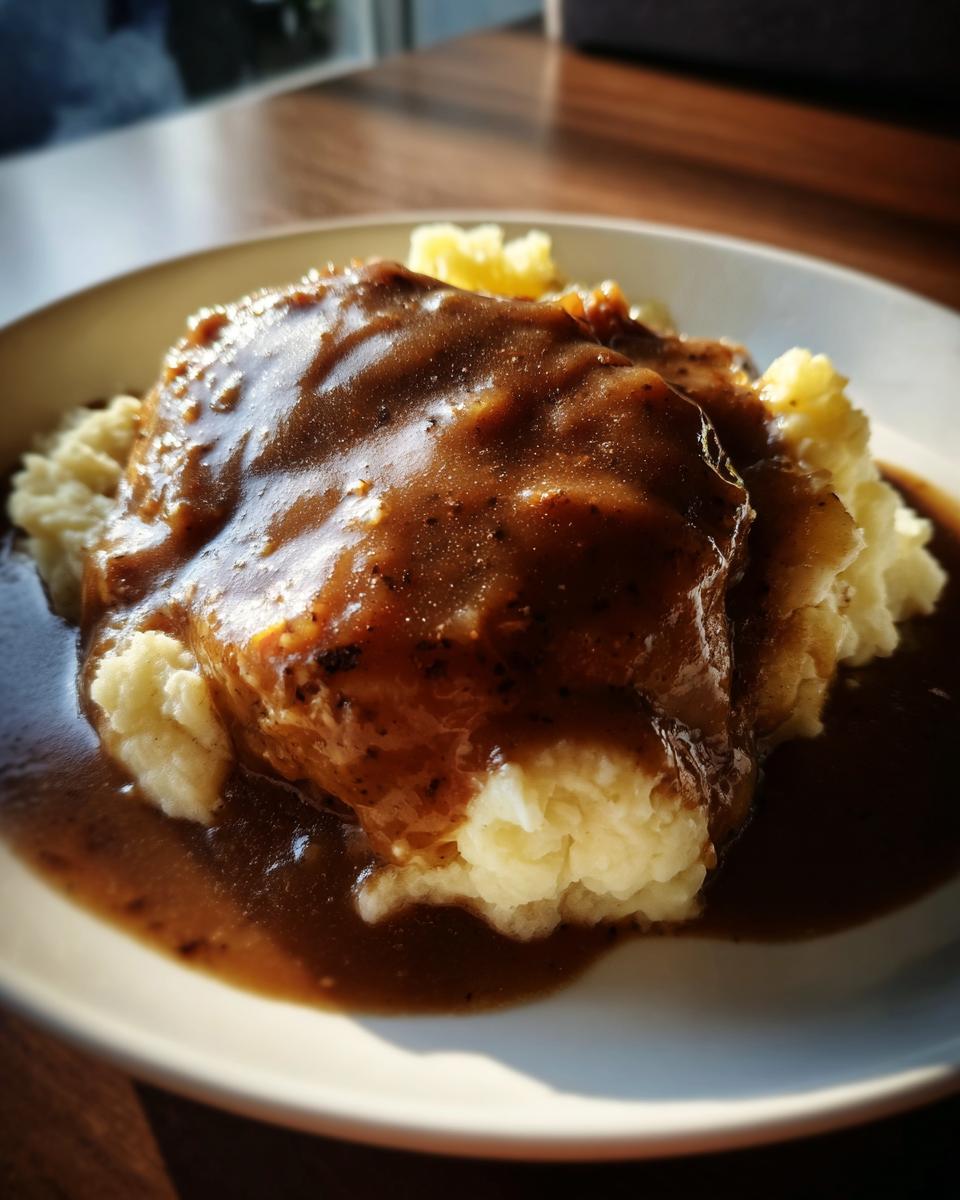
Developing the absolute best chicken gravy comes down to those tiny, almost unnoticeable details. It’s not just about following the steps; it’s about understanding what’s happening in that saucepan so you can achieve that perfect, classic homestyle gravy consistency every single time, even when things go a little sideways. These are the tricks I learned from years of testing sauce consistency for busy weeknights.
First, let’s talk color! If you tasted my gravy and thought, “Wow, this is wonderfully savory, but I wish it were darker,” that’s totally fixable. Remember that light golden roux we made? If you have the time, cook that flour and butter mixture for an extra minute or two longer over medium heat. You’re aiming for somewhere between that light gold and a peanut butter shade. It takes patience, but the flavor depth you get from browning the flour past the raw stage is unbelievable. Just watch it *very* closely—we are going for color, not burning!
The other common issue is thickness, especially after the first pour over your mashed potatoes. As the sauce cools down, that flour thickens it up fast. Don’t pour it down the sink in frustration! If your chicken gravy turns into a solid brick on the plate, don’t worry. Just scoop a little bit into a separate small pot or microwave-safe mug, whisk in a tablespoon or two of warm chicken broth—or even just warm water if you’re out of stock—and gently warm it back up. It immediately loosens up and smooths out. You can adjust the consistency right at the table, which is a fantastic trick for serving a crowd. If you want to see how others achieve amazing flavor depth, check out the tips over at Carlsbad Cravings.
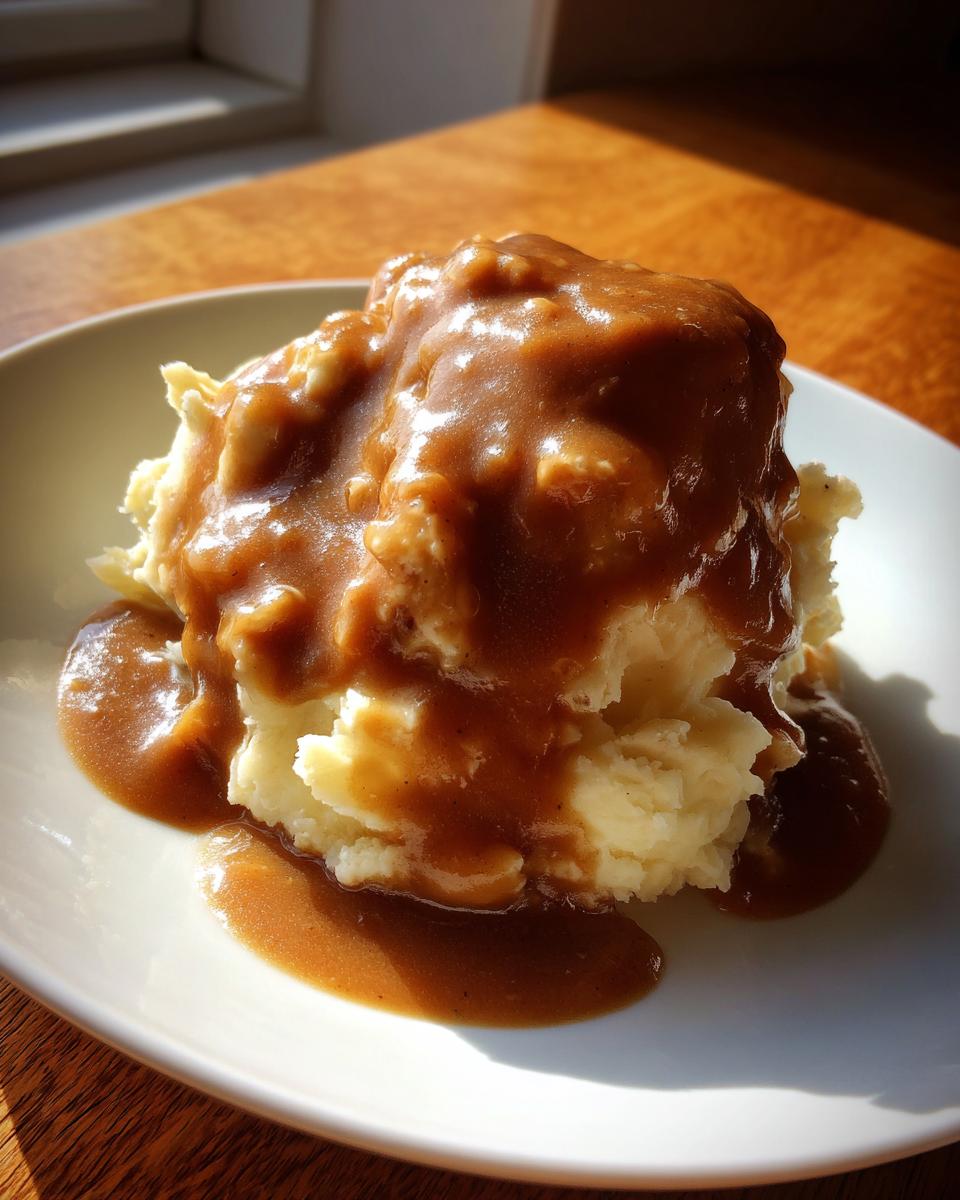
Finally, always taste before serving! This recipe uses low-sodium stock, meaning you have control. A tiny pinch of salt or a grind of pepper right at the end makes all the difference between a good simple homemade sauce and a mind-blowing one. If I’m using up drippings that were already salty, I skip the added salt entirely and just test for pepper. It’s all about tasting as you go, which leads to better results in all your weeknight dinner recipes.
Serving Suggestions for Your Homemade Chicken Gravy
Now the best part! You’ve got this gorgeous, rich sauce cooling slightly, ready to be deployed. This phenomenal flavor comes together so quickly that it’s perfect for those nights when you want a full, comforting meal without spending all evening in the kitchen. Honestly, this easy chicken gravy recipe shines best when it’s the star pairing for something else delicious on your plate.
Of course, the absolute classic pairing is potatoes. Who can resist pouring this thick, savory sauce over a big pile of fluffy potatoes? If you want to make that side dish truly special, try my recipe for garlic parmesan mashed potatoes—the garlic notes complement the savory poultry gravy perfectly! You’ll find yourself making extra just to have some leftover for the next day.
But don’t stop at potatoes! This sauce is an amazing chicken dinner sauce. Drizzle it generously over skillet-fried chicken breasts or even pulled chicken served beside fluffy biscuits. Another simple but stellar choice is pouring it over a bed of plain white rice. That rice soaks up every last bit of flavor, turning a simple starch into something luxurious.
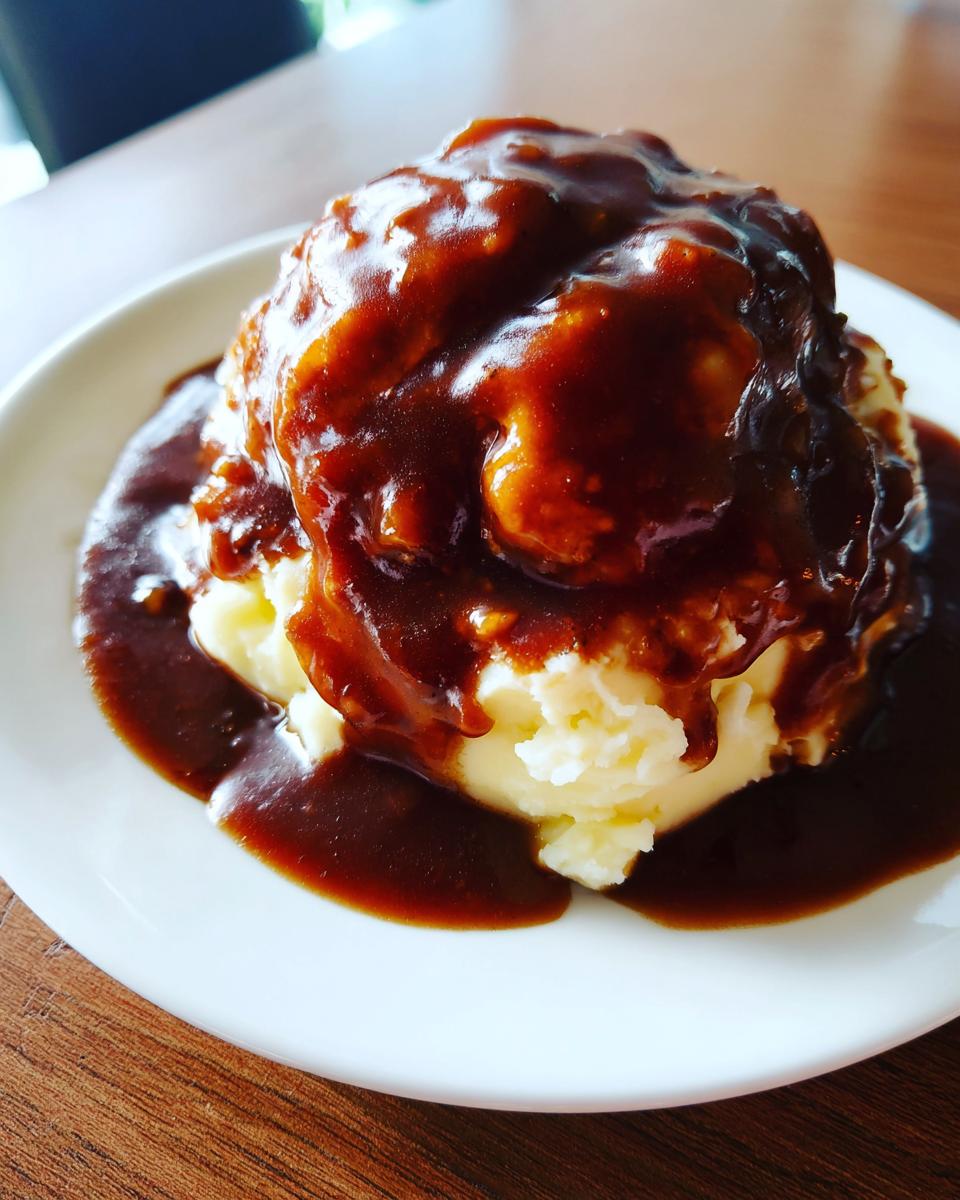
If we are leaning into a full roast or holiday dinner vibe, this poultry gravy is fantastic for drizzling over roasted carrots or even alongside turkey if you run out of the main drippings. Speaking of roasted goodness, if you’re looking for potatoes that crisp up nicely to soak up every drop of that chicken gravy for mashed potatoes substitute, you absolutely must try my crispy garlic skillet potatoes.
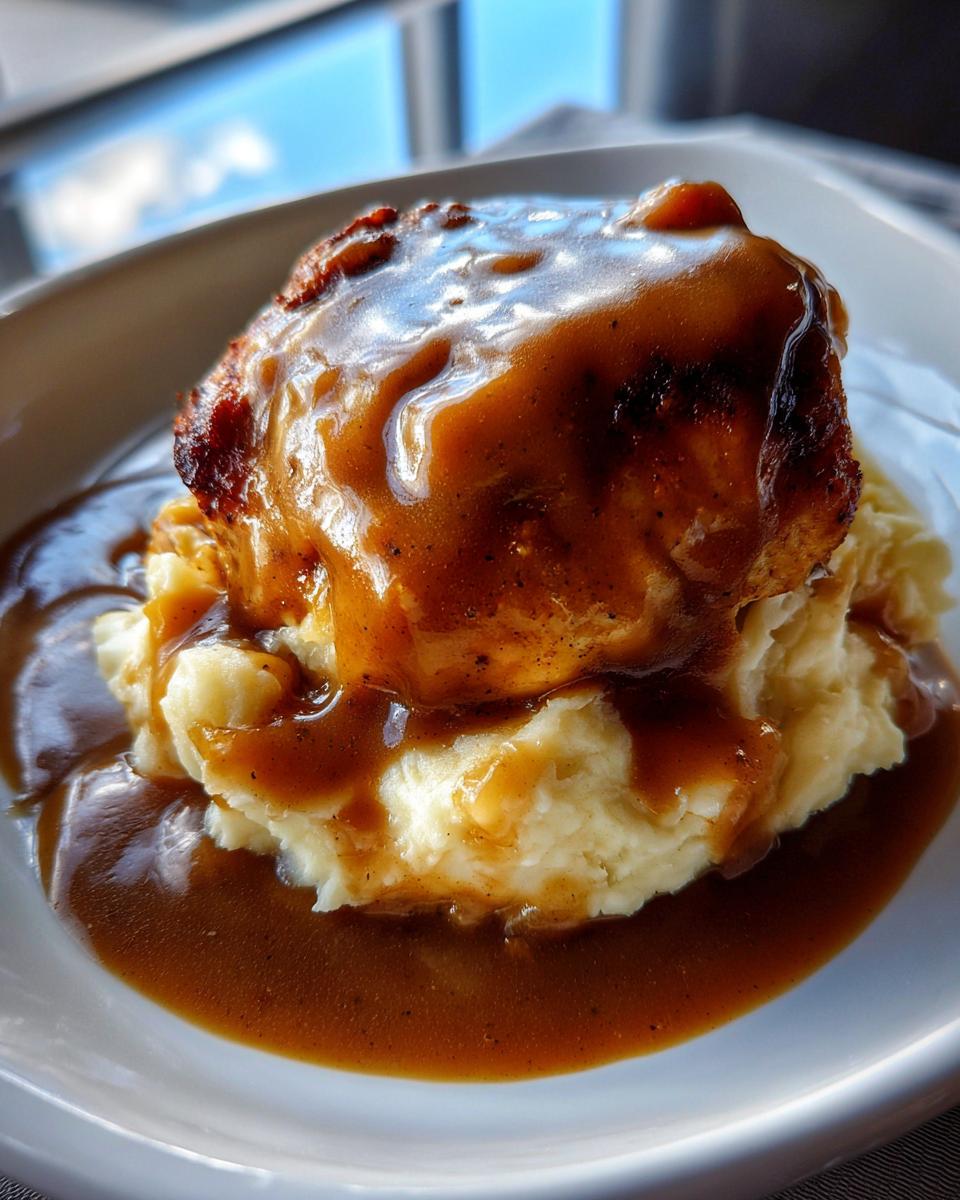
The versatility here is why every home cook needs this recipe saved. It’s comfort in a ladle!
Storage and Reheating Your Chicken Gravy
So, you actually managed to have leftover chicken gravy? That’s a win in my book, because this sauce tastes just as amazing on day two! I promise you, making a double batch so you have some ready for breakfast biscuits the next morning is always a good idea. But storing and reheating it properly is crucial if we want to maintain that wonderful, savory texture we worked so hard to achieve.
For storage, it’s simple but important: let the gravy cool down partially on the counter—don’t put a piping hot container directly into the fridge, that’s bad for everything else in there! Once it’s warm but not actively steaming, transfer it to an airtight container. I prefer glass containers because they reheat more evenly for me. You can keep this homemade chicken gravy safely in the refrigerator for about three to four days. Honestly, I’ve had it last a full week, but I generally like to use it up within four days for the best flavor profile.
Now for reheating—this is where people sometimes go wrong because we don’t want dry, rubbery sauce!
Stovetop is definitely my preference for bringing this back to life. Scoop the chilled gravy into a small saucepan over medium-low heat. Gravy thickens up significantly when cold because the starch molecules tighten up while chilling. You absolutely must add a splash of liquid to loosen it up before heating. Keep whisking in tiny amounts of warm chicken broth—or even just warm water if you’re desperate—until it loosens back into that recognizable, smooth consistency. Low and slow heat is the trick here; don’t try to blast it at high heat or you risk scorching the bottom.
If you’re in a real rush, the microwave works, but treat it gently. Put a portion in a microwave-safe bowl, add that liquid, and heat in 30-second bursts, stirring really well between each interval. This prevents those hot spots that cook the sauce unevenly. That’s all there is to it! You’ve successfully managed to extend the joy of your perfect quick chicken sauce!
Frequently Asked Questions About Making Chicken Gravy
I always get questions whenever I share this recipe because people are usually shocked at how fast it comes together successfully! Dealing with common sticking points upfront is how we ensure you get that amazing, thick sauce you are expecting. Here are the big three things folks always ask when trying to achieve the best chicken gravy.
Can I use cornstarch instead of flour for this easy chicken gravy recipe?
Absolutely! If you need a slightly glossier finish, or if you have to skip the gluten, cornstarch is a solid swap for making this easy chicken gravy recipe. The ratio changes, though. Because cornstarch is a much stronger thickener, you generally only need about half the amount of cornstarch compared to the flour called for. So, if we used 1/4 cup of flour, try 2 tablespoons of cornstarch. The technique is the most important part: you cannot just dump it into the hot liquid! You must mix the cornstarch with an equal amount of *cold* liquid—water or broth—to form a slurry first. Once that slurry is completely smooth, whisk it slowly into your simmering liquid. It thickens up almost instantly, so be ready to pull it off the heat right away!
How do I make the chicken gravy darker if I don’t have drippings?
This is a super common challenge when we rely on butter instead of drippings, as butter just makes a pale background for our poultry gravy. If you want that deep, rich, traditional brown color without relying on pan drippings, you have to cook that roux much longer! Remember that step where I said cook the flour and butter until it’s light gold? For a darker look, you need to keep stirring carefully over medium-low heat until that paste darkens to a medium caramel or deep tan color, maybe even aiming toward what you’d call a peanut butter shade. Watch it like a hawk, though, because the difference between ‘deeply colored’ and ‘burnt’ is about 15 seconds! Another quick cheat for a hint of color is adding just a quarter teaspoon of low-sodium soy sauce right when you add the broth. It adds complexity without tasting distinctly like soy sauce.
What is the best broth to use for the most savory chicken gravy?
The broth is literally the main flavor foundation for this sauce, so don’t skimp here! For the most controllable and most savory chicken gravy, I steer everyone toward high-quality, low-sodium chicken broth. I emphasize low-sodium because, as I mentioned earlier, salt is the one thing you can’t easily take out once it’s in there. If you only have regular sodium stock, just skip adding the 1/2 teaspoon of salt until you taste it at the end! If you’re feeling really ambitious and have some stock saved from a previous roast, that homemade stock is always, always superior. Nothing beats the depth you get from real, homemade ingredients, even when making something this simple. If you need more ideas for quick sauces, check out the tips on making easy gravy without drippings over at Adventures of Mel.
If you’re whipping up some sides on the weekend, don’t forget to bookmark my easy breakfast recipes for Sunday mornings!
Estimated Nutritional Data for This Simple Homemade Sauce
I always like to include a general idea of what’s in the final product, especially when we are talking about a comforting dollop of rich, savory goodness over our dinner. Because this chicken gravy uses butter as its primary fat base when we make the roux, it does have a slightly higher fat content than sauces relying purely on broth. This is the magic of butter, right?
Keep in mind, just like any scratch recipe, these numbers are estimates based on standard ingredient weights and volumes. If you use high-sodium broth or add extra pepper or garlic powder, those numbers will shift slightly. This data is based on a yield of approximately 2 cups, dividing the recipe into about 8 serving sizes (a generous 1/4 cup per serving).
Here is the breakdown for what you can expect in each serving of this simple homemade sauce:
- Serving Size: 1/4 cup
- Calories: 95
- Fat: 7g (Saturated Fat: 4g)
- Carbohydrates: 6g
- Protein: 2g
- Sodium: 280mg (This is the main variable depending on your broth!)
- Sugar: 0.5g
- Cholesterol: 15mg
See? Not too bad for something that tastes this decadent! It’s definitely a treat, but it’s made with real ingredients, which is always better than the alternative. It really is the perfect accompaniment to your favorite sides, making sure your whole meal sings in harmony.
Share Your Chicken Gravy Creations
That’s it! You’ve officially mastered the art of creating an incredibly rich, savory, and fast chicken gravy right on your stovetop. I truly hope you’re dreaming up delicious ways to drown your next batch of mashed potatoes in it—that’s the whole point of finding flavorful harmony in simple recipes, after all!
Now that you’ve experienced how easy it is to whip up this fantastic chicken dinner sauce whenever the mood strikes, I want to hear all about it. Did you use the butter base or manage to save some perfect pan drippings? Did you manage to get that roux perfectly golden brown? Every little detail matters, and I genuinely love seeing your results!
Please, don’t keep that success a secret! Head down to the comments section below and tell me how it went. Leave a rating for the recipe—your feedback helps other home cooks who are just starting their journey into making things from scratch. And if you snapped a gorgeous photo of your velvety sauce cascading over chicken or biscuits, tag us on social media! We love celebrating those wins together.
If you’re looking for even more delicious sauce inspiration, make sure you check out the flavors shared over at Recipe & Flavor. But honestly, I think this simple homemade sauce is going to be your new standard. If you ever have questions or want to share feedback outside of the comments, feel free to reach out to me directly through the contact page. Happy saucing, friends!
PrintUltimate Quick & Easy Homemade Chicken Gravy (With or Without Pan Drippings)

Make rich, savory chicken gravy in under 15 minutes. This simple recipe works perfectly whether you have pan drippings or need a quick sauce made entirely from pantry staples.
- Prep Time: 5 min
- Cook Time: 10 min
- Total Time: 15 min
- Yield: About 2 cups 1x
- Category: Side Dish
- Method: Stovetop
- Cuisine: American
- Diet: Vegetarian
Ingredients
- 1/4 cup all-purpose flour
- 1/4 cup unsalted butter (or reserved pan drippings if available)
- 2 cups chicken broth (low sodium preferred)
- 1/2 teaspoon salt
- 1/4 teaspoon black pepper
- 1/4 teaspoon garlic powder
Instructions
- If you have pan drippings, measure 1/4 cup and set aside. If you do not have drippings, measure 1/4 cup of butter.
- In a medium saucepan over medium heat, melt the butter (or heat the drippings).
- Whisk in the flour until a smooth paste forms. Cook this roux for 1 to 2 minutes, stirring constantly, until it turns a light golden color. This step removes the raw flour taste.
- Slowly pour in the chicken broth while whisking continuously to prevent lumps.
- Bring the mixture to a simmer, continuing to whisk until the gravy thickens enough to coat the back of a spoon, about 5 to 7 minutes.
- Remove from heat. Stir in the salt, pepper, and garlic powder. Taste and adjust seasonings as needed.
- Serve this rich chicken gravy immediately over mashed potatoes, biscuits, or roasted chicken.
Notes
- For a darker, richer flavor, cook the roux for an extra minute or two until it reaches a peanut butter color.
- If the gravy becomes too thick upon standing, whisk in a tablespoon of warm chicken broth or water until you reach your desired consistency.
- Use high-quality chicken broth for the best savory chicken gravy flavor.
Nutrition
- Serving Size: 1/4 cup
- Calories: 95
- Sugar: 0.5
- Sodium: 280
- Fat: 7
- Saturated Fat: 4
- Unsaturated Fat: 3
- Trans Fat: 0.2
- Carbohydrates: 6
- Fiber: 0.2
- Protein: 2
- Cholesterol: 15